Peter Coppinger & Philipp Maucher: From Chaos to Clarity Using EOS and AI Together
In this episode of Better Business, Better Life, Debra Chantry-Taylor explores the power of EOS and AI Together with guests Peter and Philipp from Success.co.

 Spotify
 YouTube
 Amazon Music
 Apple Podcasts
 RSS Feed
 iHeartRadio
 PocketCasts
 RadioPublic
 In this episode of Better Business, Better Life, Debra Chantry-Taylor explores the power of EOS and AI Together with guests Peter and Philipp from Success.co.
After scaling a software company to more than $40 million, Peter and Philipp share how discovering EOS completely changed the way they operated their business. Before EOS, their company was growing rapidly but felt chaotic, with leadership spending more time reacting than creating clarity and alignment.
Everything shifted when they implemented EOS properly. The structure, accountability, and discipline helped them organize the business, improve communication, and scale far more effectively. But along the way, they became frustrated with the existing EOS software options, finding them clunky, outdated, and lacking the integrations modern businesses needed.
That frustration led them to build Success.co, an EOS-focused platform designed to combine the simplicity and purity of EOS with the power of modern technology and AI.
Throughout the conversation, Peter and Philipp discuss the importance of staying true to EOS principles while using AI to enhance execution, visibility, and accountability. They explain how their software includes features like real-time updates, mobile accessibility, AI-generated insights, and automation to help leadership teams make better decisions faster.
Debra, Peter, and Philipp also explore the future of AI in business, discussing how AI can augment leadership thinking, automate repetitive tasks, improve meetings, and provide deeper operational insights. Rather than replacing people, they believe AI becomes a powerful tool for helping teams work smarter and stay aligned.
The episode also highlights the importance of having an EOS implementer, trusting the EOS process fully, and separating facilitation from participation so leadership teams can focus on solving real issues instead of managing meetings.
This episode is a must-listen for entrepreneurs interested in the future of business operations, leadership alignment, and how combining EOS and AI together can create more efficient, scalable, and accountable businesses.
CONNECT WITH DEBRA:
___________________________________________
►Debra Chantry-Taylor is a Certified EOS Implementer | Entrepreneurial Leadership & Business Coach | Business Owner
►Connect with Debra: debra@businessaction.com.au
►See how she can help you: https://businessaction.co.nz/
►Claim Your Free E-Book: https://www.businessaction.co.nz/free-e-book/
___________________________________________
GUEST’S DETAILS:
► Philipp Maucher – LinkedIn: https://www.linkedin.com/in/philipp-maucher-42747798/
► Website – Success.co: https://www.success.co/
► Peter Coppinger – LinkedIn: https://www.linkedin.com/in/petercoppinger/
► Website – Success.co: https://www.success.co/
Episode 272 Chapters:
00:00 – Introduction
00:39 – Introduction and Overview of AI and EOS
02:21 – Peter’s Journey and Initial Challenges
03:47 – Transition to Success.co and Philip’s Role
07:34 – Implementing EOS and the Role of an Implementer
10:52 – Challenges with Existing EOS Software
11:17 – Developing the Success.co Software
19:33 – Benefits of Using EOS Software
32:52 – AI and the Future of EOS Software
40:38 – Final Thoughts and Tips for Implementing EOS
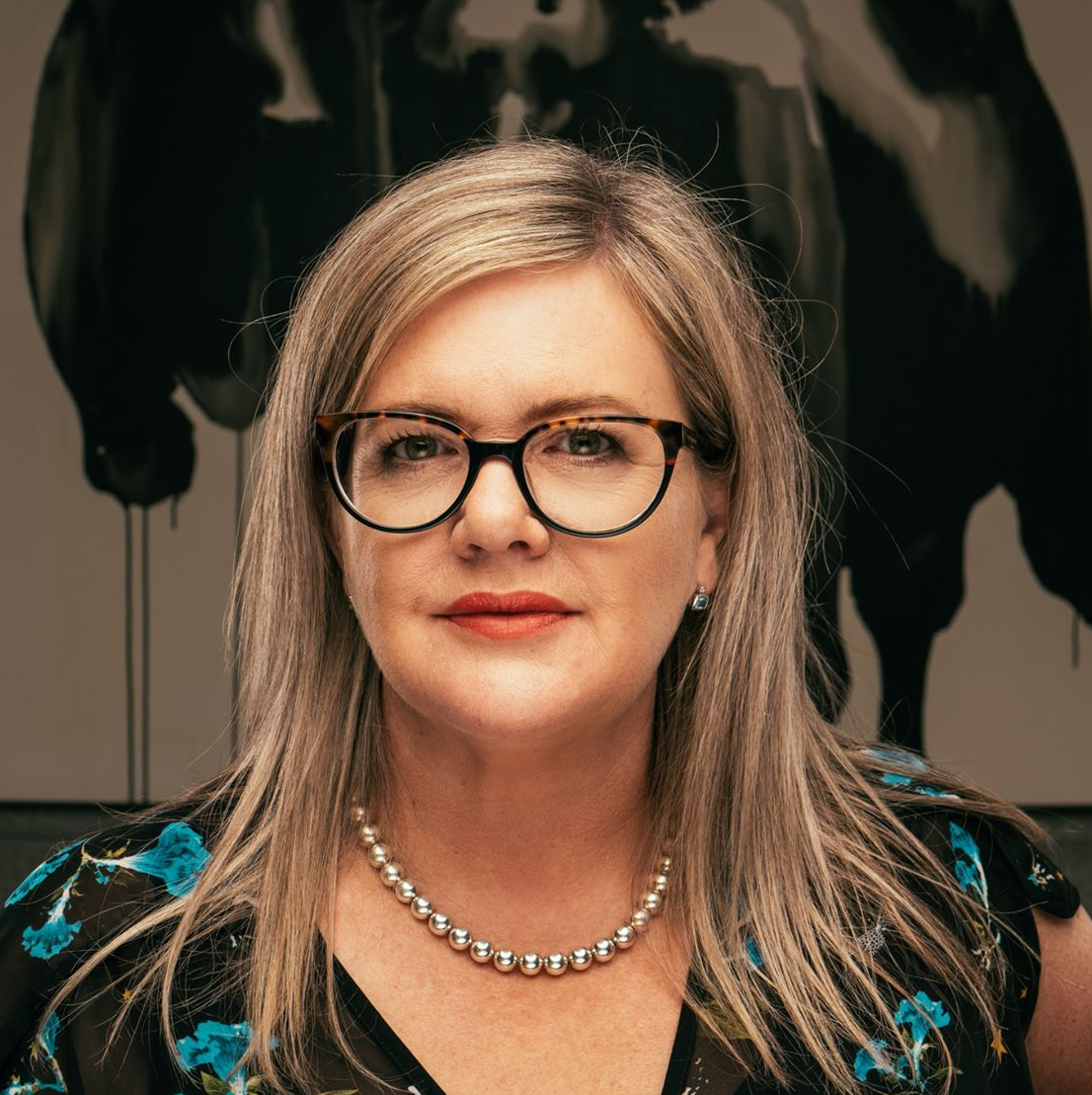
She is based in New Zealand but works with companies around the world.
Her passion is helping Entrepreneurs live their ideal lives & she works with entrepreneurial business owners & their leadership teams to implement EOS (The Entrepreneurial Operating System), helping them strengthen their businesses so that they can live the EOS Life:
- Doing what you love
- With people you love
- Making a huge difference in the world
- Bing compensated appropriately
- With time for other passions
She works with businesses that have 20-250 staff that are privately owned, are looking for growth & may feel that they have hit the ceiling.
Her speciality is uncovering issues & dealing with the elephants in the room in family businesses & professional services (Lawyers, Advertising Agencies, Wealth Managers, Architects, Accountants, Consultants, engineers, Logistics, IT, MSPs etc) - any business that has multiple shareholders & interests & therefore a potentially higher level of complexity.
Let’s work together to solve root problems, lead more effectively & gain Traction® in your business through a simple, proven operating system.
Find out more here - https://www.eosworldwide.com/debra-chantry-taylor
Debra Chantry-Taylor 00:00
We use AI lot in our business. It's like a graduate from university. They have got all the knowledge that they absolutely need, but they have zero experience. And if you don't take the time to train them, to explain what you need in terms of outcomes, to actually show them the context, then they might be the smartest university student at the once, but it doesn't mean they're going to be good at doing the job.
Peter Coppinger 00:18
So if I just go from the high level, we allow you connect to all your data, to any of the popular AIS out there, and then it's incredible. You're only limited by your imagination. Now you can make them real thinking partners. You can ask for insights in your business. You can generate reports stuff we can't even imagine.
Debra Chantry-Taylor 00:39
Hello and welcome to another episode of Better Business, Better Life. I'm your host, Debra Chantry-Taylor, and I'm passionate about EOS and about helping business owners lead a better life by creating a better business. I'm also very, very passionate about tech and AI and how it can actually help us in creating a better business that creates that better life. And so today, I'm super excited to have some guests who have taken a business from a small business into a very, very large software business that ended up being worth over 40 million I believe they got very, very passionate about the EOS process after reading the traction book and starting to bring it into their business. And then they brought an EOS implementer in and really took that business the next level of scale, and from there, they sold the business, or sold out of the business in part, and still shareholders in it. But they took all the knowledge that they had and that passion for EOS and the passion for software, and developed an Eos software platform called Success doc. So today they're going to be talking about what took them on that journey, how they got to where they got to, what they learned from implementing EOS in their business, and what effect that had on the way that they developed this software, which is absolutely EOS pure. So please. Welcome to the show. Peter and Philipp from success.co Welcome to the show, Peter and Philipp, it's wonderful to have you here.
Debra Chantry-Taylor 01:59
Hey. Great to be here. Yeah, indeed, great to be here.
Debra Chantry-Taylor 02:02
Yeah. Hey, look, we've been talking about doing this for a while, and I'm really very grateful for giving up your time, particularly as I know you're in different time zone to me, I wanted to get you on the show because I know that you guys are absolutely passionate about EOS and about software, and you've got your own software company, but I've also heard your story behind it all, and so I really wanted to hear the the the list. Have the listeners hear that story. Would you mind sharing with me? You know how you got to be to where you are now?
Debra Chantry-Taylor 02:26
Yeah, sure. I'll do the story.
Peter Coppinger 02:30
We built, and I built a pretty big software company. We bootstrapped to 36 million, and then we raised money and and made it much bigger again. But if we rewind back when we were about 70 people, I was the CEO, and I'm also a passionate developer, software developer. I love customers and product. I would say the business was chaotic. To say the least. Everything was kind of haphazard. Everything was kind of like running the business. Part was secondary. We did great product, and that's what we were focused on. So about 70 people, we were what I call a basket case. We somebody gave me the bookie, somebody gave me the book traction. I don't know how it ended up my bookshelf, but one day I finally read it, and like, like, so many people have had the exact same story. I was like, this is exactly what we need. Philipp was working with me at the time, and Philipp also fell in love with the book. We brought to our leadership team, and we a bit of a job to convince them, but once we got them on board, it was a beautiful thing. It really put manners on the business. I credited as thing that helped us get super organised and scale up and achieve everything we achieved.
Peter Coppinger 03:34
Okay, now I will say along the way, if I'm honest, we every now and again, we tried the different software options and being software developers ourselves, we kind of were frustrated that didn't have API's, and we found the interfaces a bit clunky and stuff, and we kind of ran away screaming several times, and every few months, every few years, we would go back and try them again and have the same experience. So I suppose that's what led us to where we are today. When I stepped out of of teamwork after 17 years, a year and a half ago, I was meant to take a year off. And as usual, typical visionary stuff, I started dabbling. I found a really cool technology I want to do something with. And then I had the epiphany one day, why don't I go and bring great software to us and combine my two passions, I suppose, and then maybe two months later, it hit me like a thunderbolt, one day Philipp, Philipp should be the CEO. He's awesome. And also, I've done my time in the front lines. I think Philipp would be just did the right guy to lead the charge on this. And I coach Phillip from my own company, so I'm so they share all the red teamwork. There's an interesting conversation with the now CEO, but yeah, it's been an incredible journey ever since, and we're enjoying every minute, right? Phil, yeah. 100%
Debra Chantry-Taylor 04:45
Yeah. So teamwork. So how big did teamwork get?
Peter Coppinger 04:48
In the end, when I left, we were about 45 million and growing, and my co founder second over, I'm still on the board, so I turn up once a quarter, and I crack the whip to make of advice. And hold them accountable, which is great, but I'm really enjoying this journey. This journey has been so much fun. I love this community, love the people, love the passion. I love that we're genuinely helping companies achieve things and that we can, you know, combine our two passions, everything we've learned about Eos, everything we're still learning every single day, and now we can bring that to millions of people. It's very, very rewarding.
Debra Chantry-Taylor 05:26
And so, Philipp, what were you doing at teamwork, and how did you feel when you got the tap on the shoulder from
Philipp Maucher 05:31
Peter? Lot of, lot of roles, right? Teamwork. I started out actually as Peter's assistant back in 2017 but only a few months in our head of HR left us. So Peter looked at me. He was like, I think I'm meant to be doing this now, but I don't have time for this. Go for it, right? And we looked at where we were. We hired about 40 people. We're bound to hire about 40 people that year. There wasn't much process right in our in our recruitment pipeline. So build a recruitment pipeline. Got a little organised on the team. It was one of my first projects. And then we realised, you know, I can't go back to being Peter's assistant any longer. So took over a lot of operational roles. That was the year when we started working with an us implementer, Dean in the UK. And I work closely with Dean, just making it happen internally, right within the business. We grew doubled in team size year after, went to 200 people in 2018 and then over 300 actually in 2019 did everything on spreadsheet. Originally you had this tracker, this huge file was tracking like which team was doing l 10s and had rocks and and all this jazz, and it wasn't scalable at all. When we rolled it out to rest of the team, that's when we started looking at software. And just weren't, weren't really impressed with the lack of integrations, the APIs, etc, that with our mobile apps, right, that we used every day. So we started building, actually, our own little solution for ourselves that we launched to the market, which got traction over the years, which, to be honest, was in the end, when we looked at it again in 2024 after Peter stepped down, and found this great technology, and wanting to combine, you know, the passion around us and great tech that was a proof of concepts we're like, there's a market here, for sure. And this little tool and everything we've learned about this space over the years has actually shown us that there's an opportunity here.
Peter Coppinger 07:14
I just started. So we actually always had a great relationship with us worldwide, with Mark O'Donnell and Kelly and others. And when we built our little tool, like we were actually in conversation for a while whether they might actually adopt it. So we had that relationship already. So when we had the idea to build a software product, we reached out to mark and Kelly.
Debra Chantry-Taylor 07:42
They were saying, Actually, guys, your timing is perfect on this, because, as you know, they decided to get out of the software business themselves and and openfo gets very wrong, and it was a very wise move, I believe, because I don't think that was their kind of core competency. But anyway, that's just my view as an implementer. Okay, so you decided to kind of build your own software. You came across some, some some tools that you really wanted to use. But I'm just before we go into the software itself, what I'd really like to understand is, you know, you've read the traction book. I always openly say that I tried to read traction I found it boring as batshit, and I had to actually get a grip first, because that was a story. And I like business fables. And so it's like, oh, then I then I got really excited. Then I read The traction book. But you obviously read the book, you you must have tried to self implement for a while, and then obviously you work with Dean, who's an amazing implementer based over in the UK. What was the difference between, you know, doing it yourself, and reading the book and working with an implementer?
Peter Coppinger 08:23
I think we actually did okay for the first nine months, year, you know, following out hands, starting to do the scorecard, all that I from what I remember, Philipp, and you might have a different memory, I think we just got good quarterlies. We just kind of were doing them. We were like, something doesn't feel right. This doesn't feel everything else was super smooth. We could see their benefit immediately. The quarterlies just felt all wrong, like setting rocks before you've kind of even discussed issues and all this. Were like, is this right? Everything was just kind of scratching our head a bit. And after a few of them that just felt wrong, we were like, Let's get help. Initially, it was just around the quarterlies, but then, then dean was so good, we leaned on him more and more.
Philipp Maucher 09:03
Yeah, I think for me, and that's what you're pointing to, Peter, right, is having an implementer helped us, me personally, right, to step out, actually partake in a meeting rather than facilitating a meeting. And we were, as you said, right? We were always wondering about the process rather than the conversation. You know, are we meant to do this here now? What are we supposed to do now? So we always looked back at the structure of the meeting and the process of the meeting, rather than really running an effective meeting. So having an implementer come in and facilitate, we didn't have to worry about running meeting, facilitating meeting. We just trusted the process. That was it. And we learned a lot more, I think, you know, it just started to click like, how your retail, how your 10 year target, your three year picture, your one year plan, your quarterly rocks, etc, how they all come like, link up with each other, right? And what you're doing, what you're deciding as a team this quarter, has an impact. Obviously, where you headed right, and it should be aligned to where you headed. So it really clicked more. Since we got Dean on board and helped us just learn so much more about the US.
Peter Coppinger 10:04
Do you know? The other thing I'm just realising is, I suppose it was myself and Philipp kind of saying this thing's amazing, everyone leadership should be bought in. And they would say they're bought in, but then you're coming back your mind like, you know, they'd say certain things every now and then, would make you think, are they really bought in? Did you really understand the scorecard chapter? And then it's one thing for two of us to be, you know, advocating throughout what we thought we're bringing in someone who's not us. It'll hopefully get the entire team aligned, and they might be able to do a better job of presenting what this is all about and getting buy in on the team. And I think that works beautifully.
Debra Chantry-Taylor 10:35
I actually have a client in Auckland who's quite openly said to me, Debra, you don't teach my team anything I don't know, but it comes from you and they believe
Peter Coppinger 10:42
We had the same situation. Yeah.
Debra Chantry-Taylor 10:45
Yeah, I'll take it. I felt a little bit offended, but it's like, yeah, I'll take it. It's good. So you said that you tried some of the software. And obviously, you know, being really open and honest, there are a number of software's out there. Some are EOS approved. Some of them aren't EOS approved. And you know, I always say that you've got to find the one that's right for you. But what was it that was it that was so frustrating about the software from your point of view as an EOS company?
Peter Coppinger 11:08
Well, first of all, we're fully licenced. We are in that category. What was really frustrating the API, I would go to straight away, right? Is one of the big things if you're a company, I always think if you're a company with more than 30 people, you're going to want to do clever things with APIs. You're going to want to pipe that in, pipe that out, update your scorecard, maybe even use some of the metrics to power other external things, right? And it's table stakes for any modern software. So it's kind of mind blowing to us that a lot of the software's in this in this space in particular, don't have a public API with Docs with examples on how to use it. So that's one. The other one that was screaming was mobile apps. So some of the platforms that didn't have mobile apps have caught up, but it took them years to get there, you know, and you do want to be able to access all this information instantly on your phone. The next thing then, is just what I described as a clunky interest. Like, we're software guys like so we've kind of philosophy in our software of, don't make me think. So when you when a user has to think particularly our staff, when our staff come in and there's things that are confusing in the software, and it takes a while to learn that's not something we like, and then I remember us actually trying, I won't say the name of the product, but trying a popular product in this space, and I updated something on my screen and updated something in his screen. We're kind of like scratching or like, I don't see what you added. You don't see what I added. And that's when we realise, oh, you have to refresh. So we're like, oh, oh, my god. Can't believe modern software works like this. You know, we're used to in all these platforms, at Google Docs and everything. Everything is just real time and any modern software. So I think it's combination of those things and those, those little things. They sound like little things, but there's 100 other paper cuts all around the place that just lead up to a frustrating experience, whether it's the printing experience or whatever. We just kept coming in, up after roadblock after roadblock in the software. Eventually we're like, we would do a better job at this ourselves.
Philipp Maucher 13:01
Yeah, for me, you're coming at it honestly from your core passion, right? Is the tech behind it? The way I look at it really is just EOS purity. Because what we realised is some some of the other vendors right in the space started kind of deviating a little bit away from the terminology, and added on stuff that is not an attraction book if you're self implementing or an implement or teach, right? So we gave out the What the heck is the US book to every staff once they started at the company. It's kind of simple overview, right? How EOS works from an employee's perspective, and the questions you can bring to your all 10s and your quarterlies and water rocks and all this stuff. And if the language, for example, in the software that you're using is aligned to what people actually read there, it's already hard to change management component right, getting people to adopt scorecards, really bringing in the accountability around rocks. That's already hard. If that's not aligned with how you how you onboard people, and the language that's being used in the resources and the stuff that you're teaching them around the US, I think that's a problem. So we looked at the space. We looked at all the trust pile of reviews for, you know, potential competitors, obviously, when we decided to do this from a tech perspective, what are the feature sets? What are things like mobile apps, etc, that they didn't have, that people were really asking for over the years and the feedback on the software. What can we do better there, from a user experience point of view? But then also, what became clear was, there's a there's definitely space here for an EOS pure software, because we saw all these other vendors kind of veering off into the wider market, which we get, is, right? We get asked about this stuff all the time. Is like, can I rename my rocks to 90 day priorities or something like that, right? You gotta be, it's the shiny object syndrome, right? There's, there's millions of companies out there that might need an operating system internally and software to manage that, but you We gotta find a lame and a niche niche, and I think we've done that with the espr DPS.
Peter Coppinger 14:59
So just. Just to be super clear, we just, we decided from the early days one of the things we're going to do is stick with Eos, pure, purely Eos, and we're going to be led. Our entire software is going to be led by implementers. So already we have an implementer panel that they're like, get rid of this, improve that, drop that. That's too complex, and it really helps shape the product. So yeah, it's great.
Debra Chantry-Taylor 15:22
And I know you at the EOS conference just recently, and so I'm really keen to hear you know, what were, what were people asking for? And yeah, I've got another question, but I'll start with that one more than what they asking for at the conference.
Philipp Maucher 15:32
Primarily, how are you different? That was my main question, because there's a lot of vendors in the space at the moment, as you said, Debra as well, licenced or not licenced, that can do what you need you know to do, to run your level 10s and have your rocks and your VTO documented. That was the first thing, and that's what we lead with, just what we talk about around Eos, purely if you're really bought into the process, everything is template in in the software. When you come in, you don't have to set anything up. Your level 10 structure is already in there. You quarterly use VTO exactly like it's being taught by an EOS implementer, the integrations, and then also the modern tech behind it that just syncs in real time, works offline. You've got mobile apps to complement that is that that's honestly the one thing that we get asked a lot also, Where is this headed? Ai, what are you doing around? Ai, how can we adopt it? That was a big, big theme at the conference as well. Good. Or do you get anything else?
Peter Coppinger 16:30
Yeah, no, it's exactly that. I suppose a lot of people that have been using other products for years have their frustrations, so they kind of go straight to, can you fix this? Can you fix that? Do you have this? Do you have that? And when we show them that we have these things, they're they're blown away. And then they start asking about price and stuff. We're also in every language. So I think we support some like 16 languages at the moment, and we recently added a French Canadian, because that's somebody asked us for that we've support multiple currencies, including Australian dollar. You're glad to hear Debra. So that's really important as well. I think we pride ourselves on good tech, but also a philosophy of, don't make me think. And we really, really listen to the market, listen to our customers and listen to apprenticeships.
Debra Chantry-Taylor 17:12
Beautiful. The question I was going to ask the next question was, you know, I have seen clients who have either built something themselves in Excel, and there's links through to various Word documents and all that kind of stuff. And as an implementer, it's actually quite tough for us, because it's not something we can easily go into. I've seen people use clickup. I know monday.com have launched their own EOS version and everything else. But what would you say? Because I had a client, particularly, who had built something within Excel, and every meeting we ran, I just found it really, really clunky. And I just said, Look, would you please just look, will you please just try some software? Just try it for 60 days and see what happens. And and they resisted, and they resisted for close to 12 months, until one day I finally managed to get them to actually try it. And then once they tried, they were like, Oh, my God, why didn't you give this to us? To us earlier? And it's like, I've been trying. I've been trying. But it was like, even though their tools worked, it's just the it is the pro life. You have to think too much. You can't be in the meeting, participating in the meeting, because you're focusing on, how do I make all this stuff work together? So yeah, what do you what do you say to people who are thinking about doing themselves, or worse still, because the whole AI thing, oh, we can build one in AI, in a in a couple of weeks. Why would we? Why would we pay you guys software fees?
Philipp Maucher 18:25
We're having these conversations, which is, you could do that absolutely. You could buy code the app probably in like a month or so. But if you leave it sit there, who's gonna who's gonna service it, who's gonna maintain it, who's gonna make it better, right? Who's gonna have the integrations you know that you might need to sync your data from other tools, and compliance is a big one at the moment, right? Like, if you're in a certain industry, there's very sensitive data that you might bring in, even on customers, right? How do you make sure this is compliant? So I think build versus buy. Usually it's always the buy solution, because in the end, it's just cheaper. If you look at the maintenance cost, right? Of building your own thing and maintaining it, back to the spreadsheets. That's what I did for years, right? I mean, I had our scorecards on the spreadsheet. We had our L 10s, then in Docs or our own document. Kind of solution editor within, within teamwork in the day, they never really synchronised, so it was very tedious to pull, you had to copy and paste data from one one spreadsheet into the other dock, where we were in the L 10 our vtos were on a beautiful slide deck, but it was just hidden away. It wasn't really accessible or visible to people, right? So they might have looked at it at a state of the company quarterly kickoff once a quarter, and then forgot about it. So it was never lived. And that's where I think this software really comes in, where you have everything in one place. First of all, you have all users giving them the right visibility, if you want to give them visibility into the VTL accountability chart, etc, and then have the standard structure of running now 10, the way we do interpret the software is it just. Speed there to augment you, like, if you're thinking about the LT in the structure, first couple of sections really just speed reporting, right? Is it on track? Is it off track? Let's drop it down if we want to talk about it in issues list. So there's little things, like a one click drop it down icon that just, you know, you have the data in front of you. It's, it's the scorecard is green or red, if it's on track, off track. It's just in your face, like, what's going on in your business, and you can decide, then what are you going to do about it? And your issues add to do is from there, people get prompted to actually do their to do so to do sync into a Monday or a click up right where the work actually happens and synchronises back once the work is done, so it's ready to for your to do review on your next l 10. So all these automations, these steps that you would have to do manually if you're on a spreadsheet that's just taken away. So the software is really there to help you standardise the process, roll it out across the team, and run an effective LT and beyond.
Debra Chantry-Taylor 20:52
And I think, as a visionary, I think it's also, you know, if you're struggling to let go a wee bit, it's sort of almost like, if you can see all this stuff, sometimes you can actually let go, because you kind of go, look, it's under control. Like, control. I can see what's going on. Also means we sometimes go in there and dabble and want to kind of go, Well, what's going on in this department? But I think it is. It can give you some real visibility about what's going on across the whole organisation
Peter Coppinger 21:13
without having to be a micro manager, just just to add to the vibe, going to end Debra like so I think you can knock something up your accountable chart or whatever, pretty quickly, and it's okay, right? But good software, like really good software, really takes time, like, the amount of effort we put into polishing the UI, simplifying it, adding functionality for that one day that you need. It at this random time you need this one feature that's in our drop down menu, or, you know, like, even with AI, even with the pace we can move like, it still takes so much effort and engineering to do, say, the process component that I built, like, it's just an incredible amount of work. So, like, I don't think it's realistic that you could vibe code something to the level that a professional software company can do, and it'll always be mediocre, and then it'll fall apart after a while if no one's maintaining it.
Debra Chantry-Taylor 22:00
And you can get probably the five foundational tools to work reasonably effectively. But as we know, EOS is more than just those five foundational tools. And so, yeah, all that other stuff being built in is fantastic as well. Okay, I'm assuming you run your own business on it.
Peter Coppinger 22:14
100% of course.
Debra Chantry-Taylor 22:16
Yeah, of course.
Peter Coppinger 22:18
And we dog food, our own stuff, and we actually use their products, you know, with a really critical eye, going, Oh, this was frustrating in this meeting. How could we have done made this better? Or actually, if we added this tag to this issue to show that it came from a rock, our software so much better. So, yeah, we're own biggest critics.
Debra Chantry-Taylor 22:35
Okay, I'm going to ask a question because it's actually really relevant to me. I hope the listeners don't mind, but I do work with a couple of software development companies, and they use Eos, and they struggle with the whole Agile methodology and how it fits in with Eos, and they always say it's not going to work for us because we're agile, and we do Agile, and it's like, yeah, but that's that's the way you do your coding, that's not the way you run your business. And so we have these conversations. So I'm not an expert in that. I did have a software company many, many years ago, but I haven't been involved in for a long, long time. How would you help me answer that question? So we can't do EOS because we it doesn't work with our agile development?
Peter Coppinger 23:08
Yeah, are my load curse on this podcast?
Debra Chantry-Taylor 23:10
Oh, absolutely right.
Peter Coppinger 23:12
I would say that's bullshit.
Debra Chantry-Taylor 23:14
Oh, is that all you're gonna say when I say fuck. So it's all good.
Peter Coppinger 23:18
Virtual software developer, making code three codes since I was 10 years old. And I know exactly what they're talking about, but they're two separate sides of the coin, right? One thing is getting the software product built and absolutely do whatever waterfall, whatever Scrum, whatever crazy thing flavour of the week you have there. It's a totally separate thing that's the day to day getting stuff done in the business. I think EOS is this higher, abstract layer on top of of that, which is, you know, rocks, what are we doing for the quad? Are we going to achieve our vision holding everyone aligned around the same thing? It's a completely separate thing. So I think it's a bit of a cop out when a software team says, Ah, no, this isn't for us, because we do this software thing over here. You're still a business, you still have customers, you still have challenges, still have problems, you still have a target, you still have an ambition, you still have an ambition. You still have accountabilities that you want to hold people to. You still have metrics that you need to track. You know all of this. You still need to have a weekly meeting at the same time that's actually effective, and so on and on and on and on.
Philipp Maucher 24:13
So yes, it's nonsense, and I that was Debra. That was the biggest pushback I got a teamwork when we started rolling out EOS. Beyond the leadership team. The management layer was, was effective manage. They got, you know, the benefit of it. But then we had exactly that. I had one. I remember on our CRM team, Adam. He the team lead for CRM team. He was the biggest kind of rejecter of Eos within the business, I would say, for months, right? The way we turn him around was really showing like I asked him, Well, how do you define a good week on your team? You know? What are you tracking at the moment? How do you make sure people actually get their stuff done, and instead of looking at just output, right, a sprint cycle, like a new feature developed or something, right? Are you actually looking at. How does this software impact customers? You know, are you looking at metrics improving? For example, certain adoption, certain usage, certain revenue, even right? Ultimately, are those outcome numbers actually something you could track towards and you could make rocks for you and your team instead of outputs right, which you're obviously producing when you're doing those brands? So he was the one in the end that came to me after it all clicked, right? He was like, think I finally got it. He came into my office one day and he drew up, like the scorecard actually for his team. It was like, This is what I'm thinking we should be tracking. I get the rocks now. Like, we have a one year plan here. This is the accountability chart, you know. Like, it really, really clicked towards the end, and he became a massive promoter of Eos within the business, with other dev teams, actually. But it's really, as Peter said, like that distinction between what's happening on the ground, working in the business, and working on your business, working on your team, I think that's where EOS is super powerful.
Peter Coppinger 26:00
So you reminded me, therefore, something that we struggled with, even on the leadership team, but especially on other teams, is the word issues. So in the L Ken meetings, like, you know, if we were reinventing Eos, I would, I would beg for us to call it something other than issues, topics, whatever, because people really get hung up and they're like, I don't have an issue on my team. We have no issues, which is the stuff we need to get done. But, you know, teaching them that it's far more than just problems. It's like anything that's going to make this team gel together, help them achieve better things go faster. Can be top of this conversation, because we've all seen that. We've seen the marketing team, whose meeting is over 22 minutes, they basically do the segue, say hello to each other and head away again, right? And it's right.
Debra Chantry-Taylor 26:37
It is one of the things I've always kind of struggled with as well. I have to really explain that it's not just issues as opportunities. It's anything that can actually make the boat go faster. So, yeah, all that stuff. But yeah, it is. It is one of those. It is one of his issues that we're going to deal with. But I think once they get it, they understand it. Yeah, okay, what is, what was the biggest thing that, you know, EOS did in your original business? Do you think what would be the one thing that you'd say that was the biggest win, I suppose, in terms of implementing EOS in your business.
Peter Coppinger 27:08
I think we'll probably have different answers to this. Philipp, right? So, like, you'll be more operational. But like, just, I remember being a CEO of the company and being heads down and cold all the time, staff kept asking me about vision. What's our vision for the company? Yeah, but where are we going? We're doing well, but where are we going? What's the plan? Where are we going? What's the plan? And I'm like, just make software, make money. Like, what's the problem here? Right? I was even like, what's, you know, in my head, I probably had it, but I'd never really put it on paper, right? So I think that was one big one is forcing us as leadership team to come together and actually talk about this. Like, where do we want to go in 10 years? What does good look like? You know, and setting a big, hairy, audacious, hard goal, right, that we all aligned on. That was a huge win, but then also being able to share that to the company. So I'd say, from my sees, that was probably one of the biggest things. I'm sure Philipp will have more operational stuff.
Debra Chantry-Taylor 27:53
I'm going to come to Philipp in a moment, because I'm just going to ask you a quick question around that, Peter. So how did that then develop into the way that you developed that the vision component within the software. Because I'm guessing, if that was the thing that you saw being the most valuable, what did, how did you translate that into what you could do with the software?
Peter Coppinger 28:09
Well, we seen, I suppose it allowed us to really see the power of the VTO, right? That's easy to look at the VTO and just be like, yeah, it's two page sheets. Doesn't really mean anything, right? But, but living it, you know, us really living us and locking leadership team way and thinking about this, and thinking about how you roll this out to the team, and how you explain it in a two sheet, and, you know, the 10 year target, and turn it onto a three year picture in a one year plan. I love that language. It even gives us that language that we can use. So I suppose when we built the software, we just wanted to to make it everything we ever wanted it to be right, things that confused us in other products, to simplify that, to allow you easily enhance your version, and keep that version history and all that. You know, because your ambitions change, your tenure target might rarely change, but your three year picture is going to definitely change. Your one year picture needs to be, needs to be fairly solid, but building flexibility into the tool. I suppose the fact that we had actually lived the life properly for years, we knew exactly how the tool should work. Does that make sense?
Debra Chantry-Taylor 29:09
Yeah, it does. And I know that because we talked about this before we jumped on the podcast.
Peter Coppinger 29:13
Even just things like being it, we also want them to be able to print beautifully.
Debra Chantry-Taylor 29:15
Go to as I said, we talked about the printing. Yeah, so the printing has always been a bit of a bone of contention in terms of, as I said to you, I actually have a Word document that I get the team to fill in and then we can print out. I actually print out and laminate it. I'm a bit of an old school girl. I have it on the wall as well, but I do like it to be pretty because then it just makes it sort of feel like something I want to carry around and feel proud of. And I know your software does print it in a way that you can just go with it.
Peter Coppinger 29:40
It was an issue. Whenever l 10s meeting, we were like, printing is always going to be this huge thing, right? Why don't we actually build a print engine? So we actually did the engineering effort, like a good effort, like, you know, a two month project to build a print engine, so now we can produce beautiful PDFs in every last part of our product. So, yeah, definitely informed.
Debra Chantry-Taylor 29:59
Beautiful. Okay, Philipp, what about yourself? Then, what was the biggest thing that EOS did for the business, for you, and how did that influence the way you developed this software?
Philipp Maucher 30:07
Yeah, I think I would have actually aligned to what Peter said around the alignment, really aligning a company and the vision that we lacked before. But for me, what it what it did, was it really, really brought out accountability and so on. Before we introduced the US, we were kind of, we were super successful the growth, but the business growth was growing in 2017 was growing 40 or 50% revenue year and year at 50 million, million dollars in annual recurring revenue. So we just didn't know why, right. We were kind of flying blind. So it brought in accountable Iran's weekly metrics, obviously putting proper measurables KPIs in place, that told us the business was doing well, and then rocks as well, like really holding people accountable to what they say they were going to do. In a quarter they would get it done. Now, what happened was we had somebody on the leadership team who was very much on the water and us really teased that out. We could see that we had the right person in the wrong seat. And I think, Peter, you had that feeling for a long time, right, but you couldn't rename it. And us gave us that tool right, where we could clearly see definitely exhibiting our values with the company for ever since the very beginning, I guess. But it was really underwater, and Peter, you can complete that story, but once you have that conversation, made things changed. Yeah,
Peter Coppinger 31:27
Yeah, you just don't know. I love the people Analyzer tool as well. But related, like, there's a it helps you realise where the gaps in the business are, you know, and it's we had a situation where we had a best friend who the company had slightly outgrown on the role, and you had to, we had to do something about it, right? But it gave us the confidence and the tools and the ability to look at the big picture and see that sometimes when you're in the day to day, you can't see the wood from the trees, right? So I think EOS has been super powerful around that, yeah. So we finally did something, and then great things
Philipp Maucher 31:56
happened. Awesome. I love that. I was just thinking, yeah.
Debra Chantry-Taylor 32:00
I was just thinking, I love the people analysing, because I think that takes away all the emotion. I think sometimes the emotion I know what my question was, you talked about, you know, so accountability. So I always sort of say that you cannot force accountability from anybody. You can only give them the tools to step up and take accountability. And that's what EOS actually does. But, you know, if we're talking about API's, I've always been a bit of a proponent for having people physically put a number in, because they have to own the number. And it does, you know when you have to, because I do two level three, level 10 meetings every Monday with my three businesses. And you know when I have to physically put my number and kind of go, what I'm supposed to do, it does make you feel a little bit like, Oh, I'm gonna have to explain this, which is a good thing. So with API's, how do we get around that? How do we still ensure there is that ownership and that, you know, that actually belongs to me?
Peter Coppinger 32:41
There's no magic bullet to that, I suppose. You know, like, just because a number automatically updates on the scorecard every week, isn't there an excuse for you to kind of not feel that you own that number? You know? So I think it's down. It sounds human. There is no magic answer for that. It's kind of, it's kind of similar to to you people using AI to augment their jobs, right? Like, you still have to do the thinking. The AI can't do all the thinking. I can't do your job for you. It can, it can help. So, like, if I remember my leadership team who owned the number on the scorecard and was just letting it be populated, and didn't really understand this, and we didn't really feel cared about that number, that would be a problem for me, absolutely.
Debra Chantry-Taylor 33:24
But that's that's just good management, I think, follow the process, right?
Philipp Maucher 33:25
Exactly. Follow the process. I mean, if the number is red, you know, and for a couple of weeks in a row, even then it's obvious there's something going on underneath, even if you synchronise it through the API. I'm with you, Debra, call me old fashioned, even with the age of AI in the software that we're building, you can automate all this stuff, but I think there's definitely something to be said to intentionally pull that number somewhere and drop it into into your score card every single week, because you're not understand it, right? But again, if it's if it's flashing red, the team obviously needs to tease out what's and dig in what's going on here, making an issue and so, yeah, the software definitely helps.
Peter Coppinger 34:02
You know, what I've seen is, you know, there's a number that you would like, it's always not quite hitting it, but then you sometimes discuss it. Sometimes we can't be discussing it all the time. We have this feature now in our product that we added a few months ago called insights, and it's got an AI part on it where the AI just analyses all your your data and suggests problems and trends and good things as well in your business. But it actually there's nowhere to hide, really, right? The AI is going to point out, hey, you've missed your sales, weekly sales number like, nine times out of 12 this quarter. Think you've got an issue here, and you should bloody address it. And it's, it's there or two in red on the dashboard, right? So I think it's actually a beautiful thing for the AI to help the business with its thinking as well.
Debra Chantry-Taylor 34:46
And going back to a little bit what Philipp said, you know, you've got to let the i You've still got to do the thinking. I mean, we use AI a lot in our business, and it's wonderful, but it shouldn't shit out. You've got to do the thing. He got to use. You'll do the training. And I've been a bit passionate about this, a bit. Vocal about this the last few weeks as well, in terms of, you know it is, it is like a it's like a graduate from university. They have got all the knowledge that they absolutely need, but they have zero experience. And if you don't take the time to train them to explain what you need in terms of outcomes, to actually show them the context, get them to understand why it's important, then they might be the smartest university student at the once. But it doesn't mean they're gonna be good at doing the job. 100%
Debra Chantry-Taylor 35:25
And yours is being trained across, I'm guessing, you know, multiple companies, right? So it's actually looking at all of the not with that, not obviously sharing the data, but picking up on where trends and issues and things actually come to that insights built in across all the different companies.
Peter Coppinger 35:39
Yeah, 100% like, I love the SWOT analysis when it does it, when we show it to customers, because it crunches on all the data in your company, the rocks, the VTO, your tracks, your trends, looks at everything, stuff that it would take a human so much time to pour over, right? It looks at all of that seconds, and it comes back with some beautiful stuff. I remember showing it to a customer recently, and and one of the weaknesses was team morale on a particular team. And they were like, Oh, my God, that is 100% a weakness. And we never Yeah. How did it know? I'm like, I have no idea. Dude. It's just kind of like, think about things critically, that humans, humans were, we're not perfect, right? We're not going to see everything, and it's DNA on the strengths of AI, but not relying on us to replace our thinking. I think that's the critical thing we're trying to get across, to augment your thinking. And you can't, you can't avoid AI. AI is coming for every job, every role, every business, has to evolve, and we're trying to make that easy for people beautiful.
Debra Chantry-Taylor 36:41
So tell us a little bit. So I know you've got some new Ace you've got the insights, obviously, you've got some other sort of nice little things being built into it. Tell me a little bit about that, because I'm really interested in AI.
Peter Coppinger 36:50
I think actually, since we last showed you platform Debra, we've added so much to the insights. We built beautiful dashboards. They're super fast, they're real time. Apps, incredible rich data on everything that's going on your business and every team. If you're an integrator, you're gonna like, when we when we sell teamwork. If you're an integrator, we just show you insights, and they're like, sold. It's It's beautiful. It's also got some automatic AI insights on those dashboards as well. But beyond that, throughout the product, we're going all in an AI. So if I just go from the high level, right, we allow you connect your AI, connect your, your successful all your data to any of the popular AIS out there, such as chat, GPT your cloud, and then it's incredible. You're only limited by your imagination, like all we're doing is making the data available to the best AI agents in the world. Now you can make them real thinking partners. You can ask for insights in your business. You can generate reports. You can talk about tenure plans. You can look at things critically. You can have a conversation. You can plan out better way to do your website, anything, stuff we can't even imagine. You can also use your voice. You can be in the car, and you could get a you could create an issue. You could ask about your issues. I really love that as well when I'm driving, and we've all this in product, AI. So if I go from the top, we have it suggests measurables. It can suggest issues, it can review your rocks, it can suggest rocks, which with reviewing your rocks and to do's, by the way, Pacific, smart, right? Specific, Measurable, Attainable, Realistic, timely. We can't know about the attainable, realistic and timely, but we can definitely tell you if your rocks and your to do is look specific and measurable. So what we do is we give you a score for every one out of 10 on how well you're doing and describing this rock. So for example, you say, call Bob tomorrow, it's going to give you a two out of 10. If you say, call Bob about sales process in Oregon before Tuesday, it'll probably give you a 10 orders.
Debra Chantry-Taylor 38:36
Yeah, very specific, and we've love it, yeah. And
Peter Coppinger 38:39
And then it can write draft processes for you as well, right?
Debra Chantry-Taylor 38:44
We're already I have a question, though, so I need to ask something, because I'm because I'm really because, as you know, I've got aI on my accountability chart in my business and and I have different AI's, different AI's have got different roles. And we had this conversation about how they're pushing back on me about what their roles are and aren't. But will this mean that my Claude, who's called Ellie and my DBT, who's called d2 will they be able to attend level 10 meetings and be held accountable to a scorecard and get given to do's and, you know, really be a person within the success platform?
Peter Coppinger 39:14
Oh, wow, we're not there yet. But that's, I love your thinking. The next evolution of what we're adding at the moment is that instead of having to go to Claude or chat GPT, we have that functionality just built to win in our product and chat panel once we've done I think the next kind of obvious thing we're looking at is having an AI assistant be able to join your weekly meeting and more, to track all that, to transcribe everything, to assign notes, automatically capture any to do as you've missed, and to give you feedback, possibly on your own behaviour within the meeting, right? So maybe you were too forceful. Maybe the Segway took 20 minutes when it should have taken five minutes, you know. So kind of give team level feedback, but also if you had personal level feedback as well, especially if we add in the coal ba index, where we know your your general. Rates and the way you're work, right? I think it'd be super interesting to say to AI, hey, this is my personality. Let me know when I'm, you know, overstepping the bounds, or how it could show up better. I think that coaching aspect could be really cool.
Debra Chantry-Taylor 40:12
And I'm thinking of agentic AI, so I'm thinking because of my claws, yeah, you could literally have it if it's if it owns a process in the process component, and if it owns the outcomes in the scorecard and the measurables, and it knows exactly what its sort of role is. In theory, it could attend the level 10 meetings, and it could actually just be running a lot of this stuff in the background without any input. That's where I'm headed anyway, or she'll see it would be pretty cool. Yeah, okay, cool. What else do we need to know? I mean, like, I guess the people was going, Oh my God, these sort of techy geeks. So this is what you know. What you know, what are they going on about? Maybe there are some people out there who are still using spreadsheets. Maybe there's, I mean, one of my most successful teams in the early days were not tech savvy at all. They're actually a food manufacturing company, a small kind of Chevy company, and they actually used to print out a spreadsheet that was blank, and they would fill it in with a pencil, and they would highlight in pink or green, whether it was on track or off track. But I tell you what, it worked because they actually had something very, very visual. I have no doubt there are people out there using all kinds of stuff out there, the biggest reason to go to move away from that. What would you say it is biggest benefit time?
Philipp Maucher 41:17
To me, it's time. It's just copying, pasting, updating, right? Holding people accountable to do the things that you want them to do. All that stuff is, is, I think the automation that you can have in a software that is the biggest benefit and will save you time.
Peter Coppinger 41:34
Yeah, I think it's impractical as well. I mean, how are you going to do something like an accountability chart on spreadsheets or manually offline. It's just too difficult, right? And humans, we're visual creatures, like we like to see things visually, you know, chart makes sense, and be able to move things around and plan the future version of it and double click to change roles and stuff. It's very hard to do that in other formats. The other thing I would say, though, is, like, no matter, no amount of technology will to your point there with that company that was running offline really well. I've seen companies with all the technology in the world that are running terribly right? So at the end of the day there, there has to be that self accountability on the team, and no tool will magically fix that. Our goal is to make it as easy as possible, though, so that the tools don't get in your way, so that you're not trying to fight the interface. We have a philosophy of, don't make me think everything in our product should be straightforward and easy and obvious. And if I'm honest, in other products, I see things that I'm like, this is very confusing, and we're they're making the users learn the product, whereas our goal is that the product just works for you automatically, so you frees up your time to actually work on your business.
Debra Chantry-Taylor 42:42
I did ask Philipp at the beginning, I'd love to leave the listeners with, you know, three top tips or tools, because I think it's really important we have a beautiful conversation, like a level 10 meeting, but a beautiful discussion with there's no action from it. It was just a beautiful discussion, and maybe not even a beautiful discussion. So what are your three top tips?
Philipp Maucher 42:58
Yeah, I think the first one that we learned over the nine years, you know, having been in the Eos community, adopted EOS in 2017 is one trust the process. Use the language right. Really lean into the EOS process. There is a tool for every problem, every kind of hitting the ceiling, challenge that you might face right along the way. The second one is, we're passionate tech and AI. AI is definitely coming into, you know, everywhere so, but I do good strongly believe that it's not the companies that will succeed with AI, right and leverage the most aren't the ones with the fanciest tools or the biggest budgets. I think it's the ones that start now with something small, like even for personal use, right? Look at the processes that you're doing repeatedly, little reports or something, or, you know, like we do, obviously, monthly reporting. Can you automate this? How much time does it currently take? Do you have the data available that you could give to the AI? Do you have the process documented step by step, that you can actually teach the AI on and see what happens? Right? Just let it run in. And you might save an hour here or there, or 30 minutes. It might take you three hours to set it up, but start now. Experiment with it. Learn with learn with it. Share the learning, and grow together as a team. Because this has not gone away. And then the last one is, I'm passionate about cloud like big tools. You know that that are out there. I fell in love with cloud. Use chatgpt before. It's just, I don't know it feels nicer. It does the things that I wanted to do. Just I feel like it understands me better. And if you haven't looked at success or any US software right yet, take a take a period. Everyone has a 30 day trial, usually where you can test it out. We'd love for you to take a look and check us out. But also, you know what else out there, and to make sure it fits your business and helps you just run your business and focusing on your business better, or free plan as well. It gives you the scorecard and account. Sorry, the VTO on the accountability chart completely for free. So you know it in there and give it a
Debra Chantry-Taylor 44:57
Give it a play. Absolutely. Okay. Some success. Dot co is whereyou'll find it. Like you said, it's in multiple languages, multiple currencies. Great little product I was just looking earlier. I mean, I do have, I have the app on my phone, because I'm the kind of visionary that kind of wakes up in the middle of night and kind of goes, need to put that into my issues list. And so my poor my poor assistant often gets, you know, in lots of issues coming through throughout the week, but it is good to have that stuff there. I love the idea of talking to I use whisper flow all the time because I just I can't, I can't type to save my life. I was, I'm 55 years old, and when I was at school, typing was for people who want to be secretaries. I was like, No, fuck that. I'm not going to be a secretary. I'm not going to learn to type. And now I really wish that I had so talking is talking is good. I love it. Any last parting words, Peter?
Peter Coppinger 45:39
We're super passionate about us. We're super passionate about software. We're trying to build the best platform in the world. All we do is EOS. We're not going to try and do 100 different things. Meet Jack of all trades. We'd love for you to come on and check our product and war and let you know.
Philipp Maucher 45:54
For me, this was fun. Really enjoyed it. Debra, I think you know, kind of nostalgic memories from the teamwork time where we introduced the US just came out here, but I think, but I think for me, it's if people do want to continue conversation, right? We're on LinkedIn, we're on our website, etc. Like, feel free to reach out if it's just a conversation around, how did you actually introduce Eos, you know, as a tech company as well? How do I get this my developers to adopt is alongside, like the agile methodologies, etc, more than happy to share learning. And there's some content around that that we do have as well. So we, we love these chats. We geek out on it occasionally. And as Peter said the beginning, it's not all about the money for us. Like we want to have fun doing this as well. So, and it is very much fun right now. So, and
Debra Chantry-Taylor 46:40
I can hand on heart say, from my own personal experience, I've reached out to you guys several times with issues and things and with some of my clients requests, and I know that you've always been available. Sometimes I do wonder if you sleep, but you have always been available. And I know how friendly and how helpful you are, and I can feel the passion without a doubt. So yeah, thank you for that offer.
Philipp Maucher 46:57
Lovely. Thanks so much. Debra,
Debra Chantry-Taylor 46:59
Thank you very much for your time. Appreciate it.
Peter Coppinger 47:01
Cheers guys.

EOS Implementer | Entrepreneurial Leadership Coach | Workshop Facilitator | Keynote Speaker | Author | Business Coach
Debra Chantry-Taylor is a Professional EOS Implementer & licence holder for EOS Worldwide.
As a speaker Debra brings a room to life with her unique energy and experience from a management & leadership career spanning over 25 years. As a podcast guest she brings an infectious energy and desire to share her knowledge and experience.
Someone that has both lived the high life, finding huge success with large privately owned companies, and the low life – having lost it all, not once but twice, in what she describes as some spectacular business train wrecks. And having had to put one of her businesses into receivership, she knows what it is like to constantly be awake at 2am, worrying about finances & staff.
Debra now uses these experiences, along with her formal qualifications in leadership, business administration & EOS, to help Entrepreneurial Business Owners lead their best lives. She’s been there and done that and now it’s time to help people do what they love, with people they love, while making a huge difference, being compensated appropriately & with time to pursue other passions.
Debra can truly transform an organisation, and that’s what gets leaders excited about when they’re in the same room as her. Her engaging keynotes and workshops help entrepreneurial business owners, and their leadership teams focus on solving the issues that keep them down, hold them back and tick them off.
As an EOS implementer, Debra is committed to helping leaders to get what they want and live a better life through creating a bet… Read More
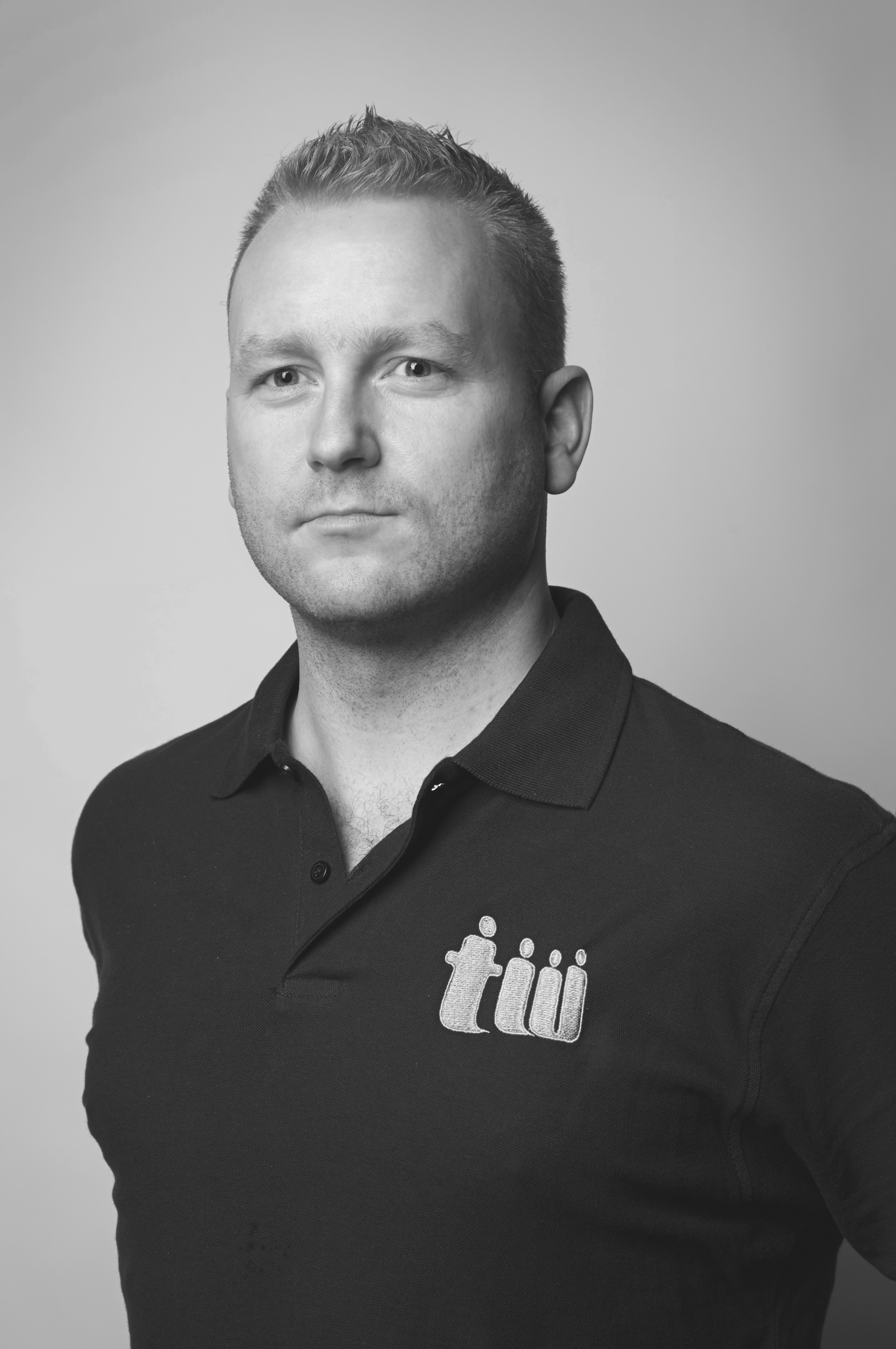
Founder
Peter Coppinger is a serial software entrepreneur and builder, focused on the future of local-first and AI-powered applications. As Founder & CEO of Success.co, and former co-founder and CEO of Teamwork.com, he has spent his career turning ideas into globally successful SaaS companies.
A hands-on investor and adviser to global SaaS businesses, Peter works closely with founders to scale products and build enduring companies. His strengths lie in big-picture thinking, software UI/UX design, and a lifelong commitment to mastering every layer of SaaS—from product development to pricing, go-to-market, and scale.
Winner of the 2018 EY Entrepreneur Of The Year Ireland, he is driven by a clear mission: to make Ireland a world-class SaaS hub by backing and building companies that scale internationally and create lasting value.