Niki Wilson: Should You Self-Implement EOS or Hire an Implementer?
In this episode of Better Business, Better Life, Debra Chantry-Taylor sits down with Niki Wilson, founder of Snapline Systems and Professional EOS Implementer®, to explore the challenges of attempting to self-implement EOS and why many leadership teams ultimately realise they need external support.

 Spotify
 YouTube
 Amazon Music
 Apple Podcasts
 RSS Feed
 iHeartRadio
 PocketCasts
 RadioPublic
 In this episode of Better Business, Better Life, Debra Chantry-Taylor sits down with Niki Wilson, founder of Snapline Systems and Professional EOS Implementer®, to explore the challenges of attempting to self-implement EOS and why many leadership teams ultimately realise they need external support.
Niki shares her journey as the first employee of a fast-growing software company, where she worked closely with an inspiring Visionary owner to help scale the business. As the company grew, clarity around roles, priorities & accountability became increasingly difficult.
Together, Niki & the owner recognised that EOS® was exactly what the business needed. Like many leadership teams, they initially chose to self-implement, believing they could learn & apply the tools themselves.
While self-implementing EOS® created significant improvements, Niki explains that it also revealed its limitations. Leadership time that could have been focused on growing the business was instead spent facilitating sessions, learning the process & keeping everyone aligned.
Eventually, they realised that bringing in an objective EOS® Implementer could accelerate progress, challenge assumptions & allow the leadership team to focus on leading rather than facilitating.
A major theme throughout the conversation is the power of the Accountability Chart®. Niki describes it as one of the most transformational EOS® tools because it creates clarity around roles, responsibilities & expectations. Rather than organising people around job titles, the Accountability Chart® helps leadership teams build the structure the business actually needs to achieve its vision.
The discussion also covers the impact of the Level 10 Meeting®, the EOS® Proven Process & why consistent execution is far more valuable than trying to customise or shortcut the system. Throughout the episode, Niki emphasises that EOS® is not simply a collection of business tools. It is a complete operating system that delivers the greatest results when followed as designed.
This episode is essential listening for entrepreneurs considering self-implementing EOS®, leadership teams looking to create greater clarity & accountability, & business owners who want to understand when bringing in an experienced EOS® Implementer can dramatically accelerate their journey towards Vision, Traction, Healthy™.
CONNECT WITH DEBRA:
___________________________________________
►Debra Chantry-Taylor is a Certified EOS Implementer | Entrepreneurial Leadership & Business Coach | Business Owner
►Connect with Debra: debra@businessaction.com.au
►See how she can help you: https://businessaction.co.nz/
►Claim Your Free E-Book: https://www.businessaction.co.nz/free-e-book/
___________________________________________
GUEST’S DETAILS:
► Niki Wilson – LinkedIn: https://www.linkedin.com/in/niki-t-wilson/
► Website – EOS Worldwide: Niki Wilson, EOS Implementer, New Orleans | EOS Implementer | EOS Worldwide
Ep 280 Chapters:
00:00 – Introduction
00:51 – Nikki Wilson’s Background and EOS® Journey
03:22 – Challenges of Self-Implementing EOS®
03:36 – The Role of the Accountability Chart®
05:22 – The Impact of EOS® Tools and Meetings
10:55 – Focus Day and the EOS® Proven Process
18:59 – The Role of an EOS® Implementer
21:39 – The Visionary–Integrator Dynamic
27:36 – The Power of the Issues Solving Track (IDS)
31:33 – Top Tips and Tools for Success
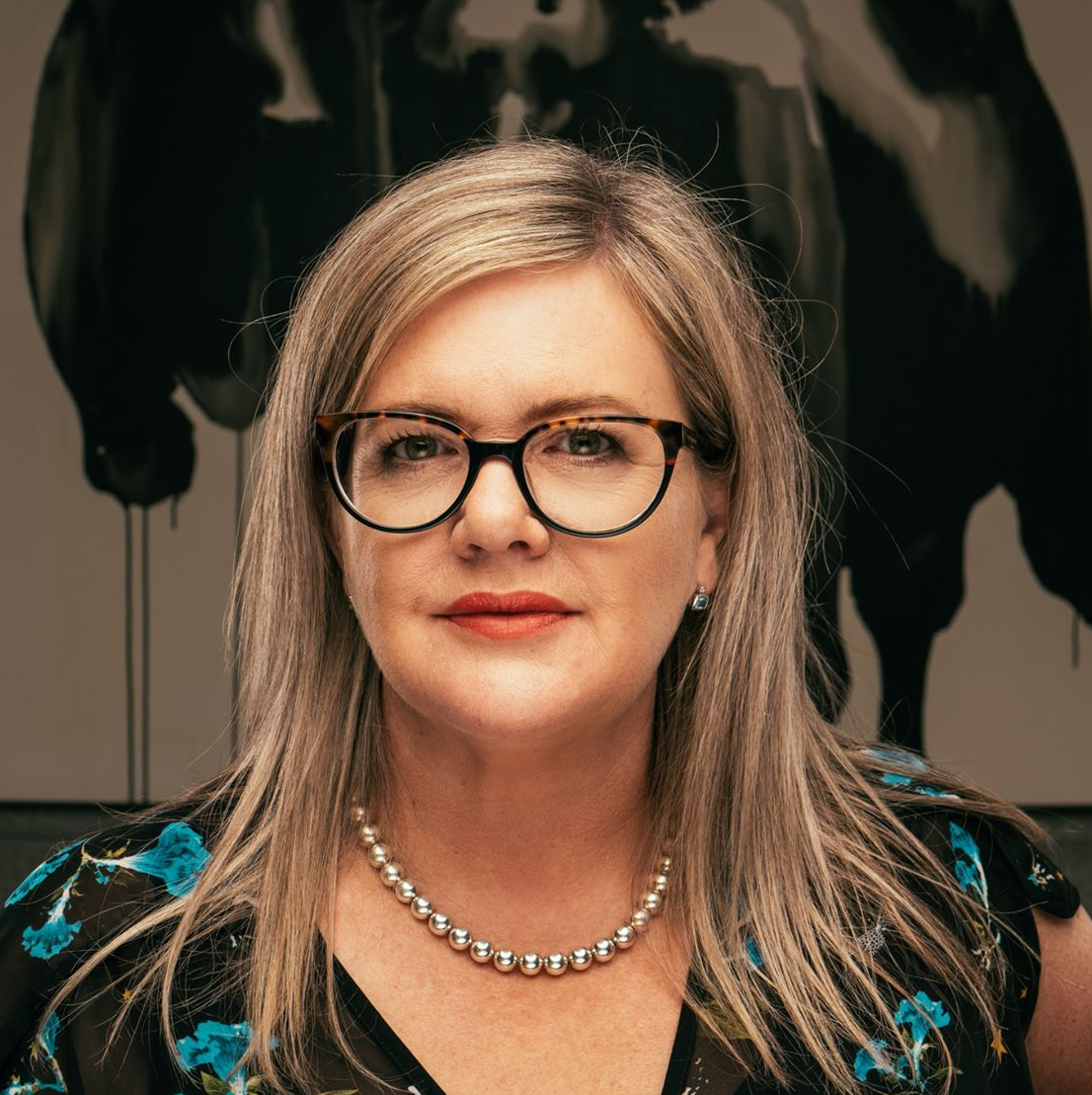
She is based in New Zealand but works with companies around the world.
Her passion is helping Entrepreneurs live their ideal lives & she works with entrepreneurial business owners & their leadership teams to implement EOS (The Entrepreneurial Operating System), helping them strengthen their businesses so that they can live the EOS Life:
- Doing what you love
- With people you love
- Making a huge difference in the world
- Bing compensated appropriately
- With time for other passions
She works with businesses that have 20-250 staff that are privately owned, are looking for growth & may feel that they have hit the ceiling.
Her speciality is uncovering issues & dealing with the elephants in the room in family businesses & professional services (Lawyers, Advertising Agencies, Wealth Managers, Architects, Accountants, Consultants, engineers, Logistics, IT, MSPs etc) - any business that has multiple shareholders & interests & therefore a potentially higher level of complexity.
Let’s work together to solve root problems, lead more effectively & gain Traction® in your business through a simple, proven operating system.
Find out more here - https://www.eosworldwide.com/debra-chantry-taylor
Niki Wilson 00:00
From a leadership team level, you have to be united, and EOS is the system that we've chosen to run on.
Debra Chantry-Taylor 00:07
We always compare, you know, being a leadership team to being good parents, right? So we've got to make sure that we've got those handful of rules, repeating them often, consistently, and walking the talk. Yeah.
Niki Wilson 00:15
So if you're bringing in more people, and those seats aren't clearly defined, the roles within those seats aren't clearly defined. The expectations aren't clearly defined. Then you're just bringing more people into a chaotic situation.
Debra Chantry-Taylor 00:35
Your host Debra Chantry-Taylor and I'm passionate about helping entrepreneurs lead better lives through creating better businesses. I started this podcast to really bring the EOS tips and tools out into the open with people. People sharing their experiences, explaining why they find the tools useful, sharing their favourite tools and tips, but also non-EOS people as well around things they have done as so. But today is very much about EOS. I have got another EOS implementer with me. Today's guest, though, has a really interesting background. She was once a casino crap stealer, and she would tell people how to double their money. Her premise was you basically fold it in half and put it back in your pocket. She is based in New Orleans, and she is very much into parades and costumes, and gets heavily involved in the Mardi Gras. She can tell you more about that if you get in contact with her. And she started her business life and EOS life by being a self-taught programmer in a scrappy, bootstrapped startup. Today, she is going to share with you how she self-implemented EOS into that business and the lessons she learned along the way. Nikki Wilson is the founder of Snapline Systems and also a fellow EOS implementer. Welcome to the show, Nikki. Thank you for having me, Debra. I'm really looking forward to having a chat with you. We had a little bit of a chat offline before we came on board. I'm really keen to hear your EOS story. I know we all have our own versions of how we came across EOS and what we've been able to do with it. So please love to hear how you got to being an EOS implementer.
Niki Wilson 02:09
Sure. About 25 years ago, I was the very first employee of a scrappy, bootstrapped software company in New Orleans as a self-taught programmer, and the founder was a brilliant visionary, that 20 ideas, 30,000 feet kind of person, and we like to say that he dreamt it, and I built it because we built one of the very first web-based claims management systems for insurance carriers to manage high-volume catastrophe claims. And about a year after the storm hit, Katrina hit in our very own backyard, and our software was getting homeowners paid quicker after devastating losses. So even though we were tech, our mission meant everything, and that was helping homeowners. But with a really successful piece of software that quickly scaled to enterprise level, we found ourselves wearing every hat under the sun. Founder-led sales, I was standing up operations, a sales and marketing team, low code, and we were spinning our wheels and making a lot of sacrifices away from family and just not seeing the kind of traction we knew we should be seeing. And we compared notes and realised we were reading traction at the same time, and it was a light bulb moment. And we knew we needed EOS, and we dove in, we drank the Kool Aid, and we said we got this. We read the books, we can do it ourselves, and we did self implement, and we saw a lot of great strides. Our leadership team got aligned around that common vision, we had an accountability chart, which was amazing for us with clarifying roles in the organisation. And I was a key player in helping integrate EOS into the company, and it just lit a fire in me that I kept thinking that I wanted to bring that same kind of clarity and traction to other business owners,
Debra Chantry-Taylor 04:02
okay, great. And so I heard you say that you had an accountability chart. That's actually kind of unusual because a lot of people who self implement tend to jump straight to the VTO, and then they think they've got the VTO, they've got the level 10 meetings, and they kind of they're doing EOS. The accountability chart is a little bit more challenging, isn't it? So tell me a bit about that. It
Niki Wilson 04:20
is one of the more challenging tools, but it was one that we identified right away that we felt was going to have the biggest impact because we were wearing so many hats, which happens really commonly in small businesses and businesses that are trying to scale. Is you do what you have to do from taking out the trash to running all of the financials. So when you're deciding you're going to scale and you're hitting that ceiling and you're you're the bottleneck in the company, you realise that the only way out of that is to have clarity around seats and roles and making sure everyone's the right person. In the right seats.
Debra Chantry-Taylor 05:01
Okay, and so was it just you and the visionary who worked on that accountability chart, or did you actually involve the team to put it together?
Niki Wilson 05:09
By that time, we had a leadership team, and we did bring EOS to the leadership team, so everyone really had a hand in building out the accountability chart. We did that together.
Debra Chantry-Taylor 05:19
That's fantastic. I agree with you. I think it's one of the most fundamental tools in EOS. I call it the backbone of EOS. Without that, actually, nothing else works quite so well because that defines what meetings you're in, what rocks you look after, what systems and processes you own, your measurables on your scorecard, etc. So really, it becomes the backbone, and of course, it gives real clarity around who is ultimately accountable for it, you said that you and the visionary were reading the Traction Book at the same time. How did you come across the Traction Book? Do you remember?
Niki Wilson 05:48
So I remember hearing about EOS and it intriguing me and thinking there could be something to this. This could be our answer to break through these ceilings, and I remember looking just online for EOS and coming across an implementer that was in our area. And admittedly, at that time, I didn't understand how implementers worked and how they worked with leadership teams to implement EOS. And they were a coach and a teacher and a facilitator. I didn't understand that piece. I just came across an implementer's website and it said, "Hey, get a free copy of Traction. So that's what I did.
Debra Chantry-Taylor 06:31
That is good. I mean, as implementers, that's actually all we really want, right? We just want people to, even if they do self-implement, it's still better than doing nothing. And even if they just read the book; it's still better than doing nothing.
Niki Wilson 06:42
And even though we self implemented, I will say that I have a blog post that talks about what I learned through our self implementation journey-the good, the bad, and the ugly.
Debra Chantry-Taylor 06:53
So, tell me a bit about what you did learn. What did you learn through that self implementation journey?
Niki Wilson 06:57
So, we definitely learned early on that we were bought in, that we loved EOS and we were committed to EOS. The parts that I feel that we really underestimated in hindsight, it's a lot easier to see that when you self implement, we were taking the most valuable resources in the company, and while we were learning about delegating and elevating and working within your unique ability, by us self-implementing, we were going against that very thing. So instead of the visionary in the company being that big ideas person, always having his eye on the market ahead, really being the culture person, he was immersed in learning how to implement EOS, so that took away from the company. And with all of us trying to work together to integrate while we were learning EOS, it really took us away from our role. It took us away from our seat, which were in essence the very things we were trying to solve. The other piece was, as well intentioned as we were, and as companies are self implementing, there does tend to be a habit of kind of picking and choosing which tools you want to work on, changing them them up a little bit to make them a little more comfortable or suit the way we do business or our industry, and we were really wrong about that. And the third and biggest piece, I think, with an implementer, you have that third-party, unbiased, no skin in the game person in the room facilitating you through your answers. They're not the answer person. They're not your strategy, but they're going to get you to your answers quicker as a cohesive, open, honest team.
Debra Chantry-Taylor 08:47
And I think it's true that you cannot. We already play three roles as an implementer, as you said: the coach, the facilitator, and the teacher. But if you're actually in the business as well, you're trying to be those three roles, and also the person who is holding a seat in the business and also trying to participate-it just becomes too much. And most self-implanters I've worked with, they've said once you came in, suddenly I had the opportunity to actually participate, to really be present and participate in the process, rather than trying to juggle all these balls and try and do everything myself. And that was the biggest kind of game changer for them,
Niki Wilson 09:21
and as much as we read, and as much as we thought, oh, we know this. Once I started going through my implementer journey, it's wow, we missed so much, so many valuable tools and teachings. The
Debra Chantry-Taylor 09:36
level 10 meeting is one of the classic ones. You observe level 10 meetings, and even with clients who've been through the process, to be fair, sometimes over time it drops off, and they start tweaking it a little bit, and they start maybe just not quite doing it, and suddenly it's lost what it was designed to do. And there is some real psychology and philosophy and kind of flow behind the level 10 meeting, where if you're doing a version of it, you'll get a version of results, but when you really do it purely, that's. You see everything really coming together, and those results really shining through.
Niki Wilson 10:04
You have a team walking away from level 10s, 100% honestly saying that meeting was worth every minute of my time.
Debra Chantry-Taylor 10:13
Yeah,
Niki Wilson 10:14
and how many meetings do we walk away from not being able to say that?
Debra Chantry-Taylor 10:18
And I also think I always remind my clients, especially at the leadership team, if you're having a leadership team level 10 meeting, imagine the cost of that meeting. You've got five or six people, senior people, sitting around a table who, just for argument's sake, if we put them at $500 an hour, it's a $3,000 an hour meeting. So it's a four and a half $1,000 meeting for a 90 minute level 10 meeting, and then sometimes they're discussing things that are so, so minuscule that really should be discussed at a department operational level, and you have to go, why are we why are we not using the system to actually push these things down or bring them back up when they're actually really relevant?
Niki Wilson 10:54
100%
Debra Chantry-Taylor 10:55
Yeah. What's your favourite talk or your favourite session? Actually, what's your favourite session?
Niki Wilson 11:00
My favourite session is Focus Day. That's been my favourite session from day one, and it's still my favourite session. I love the aha moments. I love when you start seeing things clicking, not only understanding of the tools that are being taught, but when you see them start to connect how those tools are honestly going to help them run a better business and live a better life, and they start tying it to the ceilings that they're having trouble breaking through, the bottlenecks that are being created. They start saying, you know what, the accountability chart is going to be a game changer in our organisation, and they start getting so excited and collaborating, and you get to see them flip that switch because they're starting to remember why they fell in love with doing what they do in the first place.
Debra Chantry-Taylor 11:51
And so, for those people who perhaps aren't aware of the EOS proven process, the focus day is the first day after we've done a 90-minute meeting with the leadership team, them all on board and explain what the tools are and how they can help them, and I think I mean I fell in love with EOS because of that. I've been coaching for 20 odd years and running businesses for even longer. But I think what I loved when I first saw the EOS thing was the fact that the focus day we don't jump into the big vision and the big strategy and all that sort of exciting stuff because we know that if we went straight there, we would have a lovely day where they're all kind of like rah rah, yeah, we've got a great vision. But they go back into the world, and nothing would have changed. And so, therefore, they'd still be fighting fires. It'd still be a lack of clarity. There'd still be a lack of accountability. And so, the focus day is about bringing those tools in. And so, we talk about the five foundational tools. Do you want to talk a little bit about what was that focus day designed to do? The
Niki Wilson 12:41
focus day is really the first day on the path to mastery, to mastering focus day tools, and those are those core tools that are gonna really strengthen the six key components of the EOS model, and that's vision, people, data, issues, process, and traction. And so you're really digging into that accountability chart, the scorecard rocks. Meeting Pulse-it's really getting to the heart of learning those tools on the path to mastery. Because really, what we're trying to do is we want to help that organisation master EOS, so they can graduate and we can get the heck out of the way and let them run their their business.
Debra Chantry-Taylor 13:23
Yeah, and that's so true. It is really important, and I think that's the thing is that those tools, everything in the US is simple, but it's not necessarily easy. And so it's having that that professional support to get those things. And I think as implementers, what we bring to that is we're able to we can teach the tools. You can learn the tools even if you want to be online. There's plenty of stuff out there that can do it, but we bring a practical, pragmatic lens to it. And obviously, we've been through many, many of these sessions with many, many companies, and we can actually help ask the right questions based on that experience that we have.
Niki Wilson 13:54
Right. It's just like a coach when you're looking at your favourite sports team. They need that coach. They need that outside influence, that push, that pulling back to the core teachings. They need that coach on the outside looking in, encouraging them and bringing them together and moulding them into the best version of themselves.
Debra Chantry-Taylor 14:14
And so, light bulb moments. Can you share a few that you've had in recent focus day sessions? You know where where you've seen that. Just that's it. A
Niki Wilson 14:22
recent one that I had it actually wasn't in the focus day, but it was an amazing aha moment with the team. They were in vision building day two, and we were finalising their vision, so it was really exciting for them. And we were building out their three-year picture and their one-year plan, and I was so proud of them because when they set what that looked like around their revenue and their profit, and we had to really map out what's that look like, so they can present it to their organisation. What are their goals around that one-year plan? I could see that they weren't just spitting out. Random things or random numbers. They were talking through. Let's backtrack it from our 10-year target. And when I see those moments, and I know that it's clicking with the way that they're approaching things, and I just get to sit back and watch that, and it's so exciting, and it's exciting for them too,
Debra Chantry-Taylor 15:21
and I think it's exciting when you see leadership teams. Like often, businesses may have had leadership teams for quite some time, but without the clear accountability, they aren't able to step up quite as much. When we have the clear accountability, what you see is you see the leadership teams really giving it their all, really getting involved. Really, I mean, I used to get really precious about teams using my whiteboard, but these days, I you know, especially when they they're further down the track and down the journey, we're doing quarterly sessions. I love seeing them jump up and start doing things on the whiteboard because they're doing it together collaboratively. They're looking for the right solutions. They're looking. I mean, as you said, we don't have the answers. We're just there to facilitate and get that gold out of them, which is great. Okay, any other ones you want to share?
Niki Wilson 16:00
It was another company that had been self-implementing, and this was during the focus day. And the feedback at the end was, "This was overwhelming, but it still all made sense, and it's in bitable chunks. So I love that. Yes, it's a lot. It's a lot to take on. It's a commitment. It's like you said. It's simple, but it's not easy. But they found a way to approach it, and they were so bought in at the end of it that they were on fire.
Debra Chantry-Taylor 16:31
But it is a bit like a fire hose, isn't it? We do. We we throw so much stuff at them, and I think, and I think sometimes I know I forget sometimes because we've done this so many times. We forget how, for somebody who's never really had that level of teaching or that level of discussion around it, it can be quite overwhelming. But you do; they always leave. I think most of my clients say that it's a great day. We really, really enjoyed it. We're feeling a little bit nervous about all the things we have to do, but it's an excitement level. But it is a commitment. I mean, that's one of the things I just picked up. What you said, you know, this isn't a case of coming to one session and then all of a sudden everything magically changes. This is a journey they have to commit to. What do you think is important for a team who's thinking about starting on that EOS journey? What is the commitment you think that they need to make?
Niki Wilson 17:16
I think the biggest commitment is they have to be committed to not continually falling back on this is the way we've always done it, because if that happens, then why are we engaging? Because if that's working for you, you're set. But it sounds like it's not. So to just be open-minded to EOS is a proven complete system. When you work it as a complete system, it is going to work for you if you put the work in and you're committed to a complete system and doing it purely, and also realising that anything is going to be tougher on the front end. It might feel like a little more learning and a few more meetings, but knowing at the end we're going to get you to the point where your meetings are higher quality. They mean more. They're more productive. They're more action oriented. So once you really understand that with that commitment, that's what you're going to get on the tail end of it. It makes the journey a lot easier. Yeah, and also understanding from a leadership team level that you all have to be united. You have to be united, and EOS is the system that we've chosen to run on. One system, it's EOS. We're committed to it. So when you roll it out to the rest of your organisation, they're looking to you. Are you running your L 10 meetings every single week, same time, same agenda? Are you doing those things? Are you adhering to the accountability chart, or are you veering out of your seat and trying to wear a million hats and still trying to have everything run through the founder, so they'll look to you to guide their buy-in.
Debra Chantry-Taylor 19:07
It's absolutely true, and it's why we always compare, you know, being a leadership team to being good parents, right? It's we've got to make sure that we've got those handful of rules, repeating them often, consistently, and walking the talk. Yeah, because they will. They look to you, and they always had the fish stinks from the head down. If your leadership team isn't doing it, if your visionary isn't doing it, then immediately they're going to say, "Well, that you know, those are the boundaries. If you set those boundaries, that's what we're going to work within. What's your favourite type of client? Where do you get the most joy from? Who do you get the most joy from working with?
Niki Wilson 19:35
I have two favourite types of clients. I'm I'm very faith based. I run a faith based practice, so I love working with clients who are also faith-based. I love being able to bring prayer into the session room. I love being able to bring scripture into the session room and hearing about how faith has driven their personal and their business life, and the other. Is fun. I'm very open with my prospective clients when they're considering me as their implementer. I will bring the fun. We will laugh. We will joke, but I'll hold you accountable. I'm committed to doing that, and I follow through on that piece of coaching. But I do it with a heart for people, and a lot of empathy, and a lot of laughs. We had we closed the vision building day two yesterday. Finalised the vision, and I struck up a disco ball and some disco lights, and I had AI crafted a custom song for them of their core values. So we had a lot of fun with that.
Debra Chantry-Taylor 20:37
And it's funny, isn't it? Because I think sometimes, unfortunately, as we build businesses, the fun does get lost a little bit because of the the stress, the struggles, and you would know this from building the scrappy startup. Sometimes it gets all very, very overwhelming, and so we forget that it is possible to have fun and still do really, really good work.
Niki Wilson 20:54
Yeah, 100% And a lot of entrepreneurs sometimes they forget about the fun because entrepreneurship can be really lonely, you sometimes feel like you're just on an island and you can't really talk to friends about it. No one wants to hear it. You can't talk to family about it. They are definitely done hearing
Debra Chantry-Taylor 21:12
- it. Yes.
Niki Wilson 21:13
So it's a great opportunity to come back into a room and really be able to talk about issues in a way that's productive and has clear identification of the root cause and a clear solve, a clear plan of attack to make the issue go away forever.
Debra Chantry-Taylor 21:31
My business partner Adam and I, we call ourselves the carefrontational change makers, and what we mean by that is everything we do, we are going to challenge it. We are going to look at the ways you can do things better, but it is all comes from a place of love and a place of having fun with it because it's all about creating better businesses. Because when you get better businesses, you get better lives, and that's the ultimate end goal for us. Is we want everybody to be doing what they love with people they love in the all the EOS life stuff that we talk about.
Niki Wilson 21:57
EOS life,
Debra Chantry-Taylor 21:58
yeah. And and people always say, well, that's different for you because you're an EOS implementer, you can do that. But I truly believe, and I know from what I've experienced, any business owner, any entrepreneur, whilst you might be feeling really stuck right now, and you might be feeling like it's all too much and too overwhelming, you too can choose to have that EOS life in your own business, doing the business that you do. It's just about having the right people in the right seats, making sure we're measuring the right things. Everybody's on the same page, having the healthy conversations, etc. etc. Okay, I'm going to go back a little bit because right at the beginning of the podcast, you talked about the fact that you and the visionary both got hold of a traction book and you started reading it. Now, you probably wouldn't have known that you were an integrator and he or she was a visionary because they're very much EOS terms, so was that a bit of an aha moment when you came across that concept?
Niki Wilson 22:45
Not really. I think we always knew that we just didn't know the words for it. So he knew he was a visionary. He knows he's that big ideas person, 30,000 feet, and I had always been kind of the operational, put things together, figure out how things are going to run better and smoother. I think that came from my programming background, or vice versa. But I think we always knew how each of us sat into those roles. We just didn't know that it was a visionary integrator dynamic. So once you had the words for it, that obviously made it easier to think about that. I'm intrigued. You're visionary. What were the biggest challenges as an integrator? I think the biggest challenges were always kind of reining in all of the ideas and reining in the squirrels and figuring out what's going to give us the biggest impact, and making sure that we're focusing on the right priorities, the right rocks, working within a 90-day world.
Debra Chantry-Taylor 23:51
It's challenging, isn't it? Because we know I'm actually visionary myself in my own business, so I do understand it a little bit. But I, I'm one of the few people who actually scores really highly in both visionary and integrator, so I'm a little bit more able to relate to the rest of the team, but my other partner, who's very, very highly visionary, it can be really distracting for the team when that visionary is coming and throwing things at them all the time. And what I loved about the EOS framework, the EOS structure, we're not trying to get rid of that. Like we don't want to. It's called the entrepreneurial operating system. We don't want to get rid of that entrepreneurial spirit. We just want to give it a clear way to filter the really good ideas and make sure they get executed on at the right time. And for me, that is what the EOS structure does. It gives you an opportunity to go: Yes, we can still be entrepreneurial. We can still change the world, but we need to do it in a way where we are not spinning our wheels, but we're actually getting traction and moving forward.
Niki Wilson 24:41
Once the roles are really clearly defined, and you're using the tools of EOS, and you're using the accountability chart, and you're delegating and elevating, that gives you more time to be that big ideas person.
Debra Chantry-Taylor 24:57
It's true, actually. I had a client that I started working with way back in. Six and a half years ago, when I first started on EOS, my very very first client, and it took her a while to get the right leadership team. We had a couple of guys who really got the right leadership team, and then once she had the right leadership team, I remember she kind of rang me up one day and said, "Deb, I don't know what to do now. Like the team has got everything handled. I said, "What do you mean you don't know what to do? So I said, you go be the visionary of that box that we drew for you. That was big ideas, big relationships, changing the industry. That's what you need to go and do. She's like, I've forgotten how to do it, and it's like, well, just go take some time, take a clarity break, go and sit on a beach with an empty notepad and just think about what's possible. And I remember her calling back very excitedly, saying, Oh my goodness, I now know what we need to be doing going forward. I've had all these fantastic ideas. I can see the future really clearly, but she never had the time or the headspace to do that because she was so caught up in the day to day. And then once she relieved herself from the day to day by having a really seriously good leadership team, I think she'd forgotten a little bit how to be a great visionary. So it was really cathartic, I suppose, to be able to get back to it and then see her bloom because that was what she's really good at.
Niki Wilson 26:06
100% It takes a little bit of a shift to get yourself out of firefighting and chaos and everything run through you mode. So it almost feels like this unfamiliar calm.
Debra Chantry-Taylor 26:19
Absolutely, and I think sometimes I always laugh and joke with my clients. Is you know sometimes we end up creating arsonists in the business, and sometimes the visionary is the arsonist in the business because we've been so used to firefighting. I think maybe it was a little bit of a heroic. We've solved more. We fought that fire and we fought it rather than being proactive. And so sometimes we take a really good hard look at it and going, are we actually creating more fires, or are we dealing with things at the root cause that they actually disappear forever, and therefore it will become a going forward? You mentioned, I think, not actually on the podcast before we got on here that you know when you with the the the startup, you thought the answer initially was more people, and I think a lot of us as entrepreneurs who start a business when it starts to get really busy and we start to get overwhelmed, we just naturally go. Well, more people, more people make it better. That's not necessarily the answer, is it?
Niki Wilson 27:08
It's not. It ends up creating more lines of communication, more chaos, more confusion if you don't have the foundation there. So if you're bringing in more people and those seats aren't clearly defined. The roles within those seats aren't clearly defined. The expectations aren't clearly defined. The scorecard, the numbers. If you can't back those positions up and those people up with that kind of data and that kind of clarity, then you're just bringing more people into a chaotic situation,
Debra Chantry-Taylor 27:42
so true, and so that's the beauty. Is in other tools, they really do bring clarity, and clarity creates the confidence, which means then you're not scaling a mess, but you're scaling a sustainable, scalable business for the future. Okay, what's your favourite EOS tool? Do you have one?
Niki Wilson 27:58
My favourite is probably, I would say IDS.
Debra Chantry-Taylor 28:03
Okay, tell me, tell me why. And in fact, just for again for people who may not know, so IDS is the issue solving track. It's the way in EOS we take an issue and we get to the point of solving at its root cause. So yes, please take us through the process and why you love it.
Niki Wilson 28:18
Again, it's simple, but it's not easy identifying issues at their root, because when you really dig in past the issue that you wrote down, past what you're thinking in your head, past symptoms, you're going to realise that a lot of the issues that you have in your organisation can be tracked to one root cause, so that is just so transformational. Getting better and better and better at really digging in and getting to the root cause. Keep asking yourself, is that the root? Is that the root? And you'll get to it. Then from there, you move into discussing it with nobody repeating themselves, nobody politicking for their cause, but you just discuss it briefly. Let's figure this out, and then the plan of attack is just to come up with a solution together as a team, and that's when you're solving one person own taking action to make that issue go away forever because a lot of leadership teams just tend to discuss issues to death. So I love IDSing because again, those meetings that might seem a lot and overwhelming, you're going to walk away solving so many issues, having so many action items and plans of attack that the time you're spending together is valuable.
Debra Chantry-Taylor 29:44
It is interesting. I was actually working with a client the other day, and through our quarterly session in the IDS part of the session, it was feeling like that they kept saying they hadn't really got any issues, and everything was going really smoothly. And it's like, well, we didn't get our rocks done last quarter, and we didn't achieve our measurables, so there must be some issues. Here, because why have we not achieved these things? And we realised they've been an issue that's been standing on the long term issues that's on the VTO for quite some time, and it was around their processes for handling their clients. And they had a report done by an external party around where they were losing efficiency and not gaining the maximum kind of use of this of the tools and things. And so I said, "Why haven't we done something with this? Like, what's what's really going on here? And so we went through the IDS process around one specific part of that report, and it took about a 60-minute kind of conversation to really dig deep and find out what was really going on, and then discuss all the possible solutions, and then come up with a natural solution. And the interesting thing was the solution that they came up with that they walked away from that quarterly session with is going to save them 40% of their time on a new customer journey. Now that is massive for the organisation, and it took 60 minutes of getting really powerful minds working together to actually look at what the real issue was, discuss all the possible options, and then come up with a solve. So that is the power. Now that's in a quarterly, but you can get that level in a level 10 meeting on a weekly basis if you're committed to that process.
Niki Wilson 31:09
And when you look at that data and the time savings at the end of the day, and you ask yourself, is this too much for us to take on? It's not for a team committed to this process and committed to these tools. You're immediately going to see the value and the time savings and the benefit to the organisation.
Debra Chantry-Taylor 31:33
Okay, I always like to ask guests for their three top tips or tools, and this is for me. I've got this passion. I don't want people. It's a bit like IDSing, right? I don't want them spending all their time discussing and and then not coming up with the solution. So for me, we have these beautiful conversations, but I want people to actually leave here with something they can do, something that will fundamentally change their business or their life. What are your top three tips or tools, Nikki?
Niki Wilson 31:54
My top tool is accountability chart. It's the most transformational in the business. It is the keys to the kingdom. Everything that's going to unlock clarity and vision and traction. Everything in your organisation. I love. I always recommend for visionary integrator duos read Rocket Fuel. I think the clear that you can get on on the differences between those two roles, and how when they're in sync, it creates rocket fuel in the organisation. You're a dynamic duo, and the sky's sky's the limit when you really understand how those two roles work and play together, and also be vision traction organiser. The vision is the foundation of the entire organisation, and you can't expect an organisation to grow around its leadership if they don't understand the why. They don't understand the passion, the purpose. They don't understand your core values. Everyone needs to understand why you exist, and where you're going, and how they're a part of it.
Debra Chantry-Taylor 33:06
I was going to say where they fit into it is really important.
Niki Wilson 33:08
Where they fit into it, you rally everyone around a vision and a plan that you all share.
Debra Chantry-Taylor 33:13
Yeah, no, it's so true, and I think that's it's funny because every founder you talk to will say that they have all of this, but they haven't necessarily written it down. They haven't shared it, and and they haven't got people, you know, because they know what it is so clearly in their mind. They haven't really clearly articulated everybody else. So the vision traction organiser really brings that to life and makes it very simple. I also recommend your Rocket Tool is a great book, but the latest one by Mark C. Winters, the Visionary Book, is also great as well. And even though it's aimed at visionaries, I still recommend the integrators read it because it's how to get inside the mind of a visionary and what's important, how that relationship kind of goes to the next level. So that's great. And yeah, the accountability chart backbone of EOS. You can't do can't get great results from EUS without being really really clear because that clarity creates confidence. Cool. Some really useful tips and tools in there. Tell me a little bit about your style, just very quickly, Nikki. So, how do you work as an EOS implementer? What makes you different?
Niki Wilson 34:08
I think it's the fun. I bring the jazz band to the New Orleans party.
Niki Wilson 34:13
Perfect.
Niki Wilson 34:14
I'm a lot of fun. I'm full of puns, and I'll make jokes. But we get to the heart of things, and I will teach EOS firmly and purely, and I'll hold you accountable. But we'll have fun doing it. And when you solidify your core values, and I get yeses all around that table, you're getting a custom core values song.
Debra Chantry-Taylor 34:36
Oh, that's perfect. Look, Nikki, we're going to make sure that all of your details are in the podcast notes, along with your bio and stuff, so people get in contact with you. I just want to say it's been an absolute pleasure talking to you. Lovely to have you on the show. Thank you for coming. I know it's late over there in the U.S. so I really appreciate you staying up late for me. And yeah, thank you for your time and your energy. I appreciate it.
Niki Wilson 34:56
It was great talking to you, Debra. It's always great hearing perspective. And ideas from other implementers,
Debra Chantry-Taylor 35:03
and as we said throughout the show, we don't mind if you self implement. Get yourself a traction book if you haven't got one. Nicky or myself, or any EOS implementer, make sure you get hold of that traction book. You can absolutely self implement. Self implementing is better than doing nothing, but in my opinion, working with an implementer just takes it to the next level. I like to think of it as a pit stop for your sports car. You're really going to fine tune that car and make sure it really races the best it possible can. And I think if you're working with someone like Nikki or myself or any of the other EOS implementers, that's what you're going to get. So, yeah, better business, better life, everybody.
Niki Wilson 35:37
Thanks, Debra.

EOS Implementer | Entrepreneurial Leadership Coach | Workshop Facilitator | Keynote Speaker | Author | Business Coach
Debra Chantry-Taylor is a Professional EOS Implementer & licence holder for EOS Worldwide.
As a speaker Debra brings a room to life with her unique energy and experience from a management & leadership career spanning over 25 years. As a podcast guest she brings an infectious energy and desire to share her knowledge and experience.
Someone that has both lived the high life, finding huge success with large privately owned companies, and the low life – having lost it all, not once but twice, in what she describes as some spectacular business train wrecks. And having had to put one of her businesses into receivership, she knows what it is like to constantly be awake at 2am, worrying about finances & staff.
Debra now uses these experiences, along with her formal qualifications in leadership, business administration & EOS, to help Entrepreneurial Business Owners lead their best lives. She’s been there and done that and now it’s time to help people do what they love, with people they love, while making a huge difference, being compensated appropriately & with time to pursue other passions.
Debra can truly transform an organisation, and that’s what gets leaders excited about when they’re in the same room as her. Her engaging keynotes and workshops help entrepreneurial business owners, and their leadership teams focus on solving the issues that keep them down, hold them back and tick them off.
As an EOS implementer, Debra is committed to helping leaders to get what they want and live a better life through creating a bet… Read More
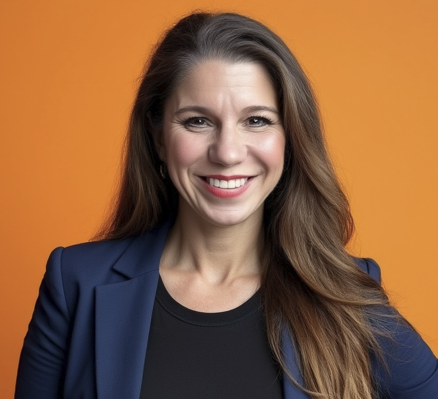
I started as a self-taught programmer at a scrappy one-person software startup in New Orleans, working side-by-side with a classic Visionary—big ideas, fast pace, and a whole lot of “figure it out as we go.” He dreamt it, I built it, and together we created a claims-management platform that scaled nationally and helped homeowners rebuild after devastating losses.
As the company grew, so did my hats. Programmer. Operations lead. Sales and marketing/CRO. Leadership team. I learned to translate chaos into clarity, complexity into simple systems, and big personalities into aligned, healthy teams. I’ve always been wired as an entrepreneur—curious, scrappy, optimistic, and obsessed with making things work better.
And then came EOS®.
When we brought the framework into the company, something clicked. The language. The tools. The accountability. The calm that comes from clarity. It grounded our team, aligned the Visionary fire with practical structure, and gave us a healthier, more human way of working together. I wasn’t just part of the system—we lived it, we built with it, and we grew because of it.
That experience lit a fire in me. 🔥
I realized my favorite work wasn’t just coding or running operations—it was helping people become the best versions of themselves, helping teams work better together, and making the hard things feel lighter…sometimes even fun.
My style reflects that.
Empathetic and people-first.
Fun, even in the messy moments.
But always grounded in clarity, accountability, and forward movement.
Now… Read More