Darryl Dillon-Shallard: AI Is Making Custom Software Affordable Again
In this episode of Better Business, Better Life, Debra Chantry-Taylor sits down with Darryl Dillon-Shallard, Chief Growth Officer at Butterfly, to explore how AI is making custom software affordable again.

 Spotify
 YouTube
 Amazon Music
 Apple Podcasts
 RSS Feed
 iHeartRadio
 PocketCasts
 RadioPublic
 In this episode of Better Business, Better Life, Debra Chantry-Taylor sits down with Darryl Dillon-Shallard, Chief Growth Officer at Butterfly, to explore how AI is making custom software affordable again.
Drawing on nearly two decades of experience in the digital industry, Darryl shares his journey from graphic designer to digital strategist, including the development of the My Stable app for horse trainers and his work helping organisations build custom digital solutions that solve real business problems.
The conversation explores how AI is fundamentally changing software development. Darryl explains that artificial intelligence is dramatically reducing the time and cost required to prototype new ideas, making custom-built applications more accessible than ever before. Rather than forcing businesses to adapt their processes to off-the-shelf software, organisations can increasingly develop solutions tailored to the way they already operate.
While AI presents exciting opportunities, Darryl cautions against rushing into development without proper planning. He explains why investing time in discovery, understanding user needs, creating a detailed project brief, and choosing the right development partner are all essential to delivering scalable, maintainable solutions that provide long-term value.
The episode also looks at the evolution of digital technology, from the early days of Flash websites and mobile apps to today's cloud-based web applications powered by artificial intelligence. Darryl shares why many organisations are shifting towards browser-based applications that streamline internal workflows, improve productivity, and solve operational challenges more effectively than traditional mobile apps.
Whether you're considering a custom application, exploring AI opportunities, or simply trying to understand where technology is heading, this conversation offers practical insights into how businesses can innovate with confidence while avoiding costly mistakes.
CONNECT WITH DEBRA:
___________________________________________
►Debra Chantry-Taylor is a Certified EOS Implementer | Entrepreneurial Leadership & Business Coach | Business Owner
►Connect with Debra: debra@businessaction.com
►See how she can help you: https://businessaction.co.nz/
►Claim Your Free E-Book: https://www.businessaction.co.nz/free-e-book/
___________________________________________
GUEST’S DETAILS:
► Darryl Dillon-Shallard – LinkedIn: https://www.linkedin.com/in/darryl-dillon-shallard/
► Website – Butterfly: https://www.butterfly.com.au/
Episode 278 Chapters:
00:00 – Introduction
00:38 – Introduction and Overview of Digital Transformation
05:36 – Evolution of Web and App Development
09:51 – Challenges and Pitfalls in Digital Development
18:04 – Comparing Quotes and Making Informed Decisions
18:24 – Examples of Successful Projects
25:42 – Future Trends in Digital Development
26:29 – Final Thoughts and Tips for Listeners
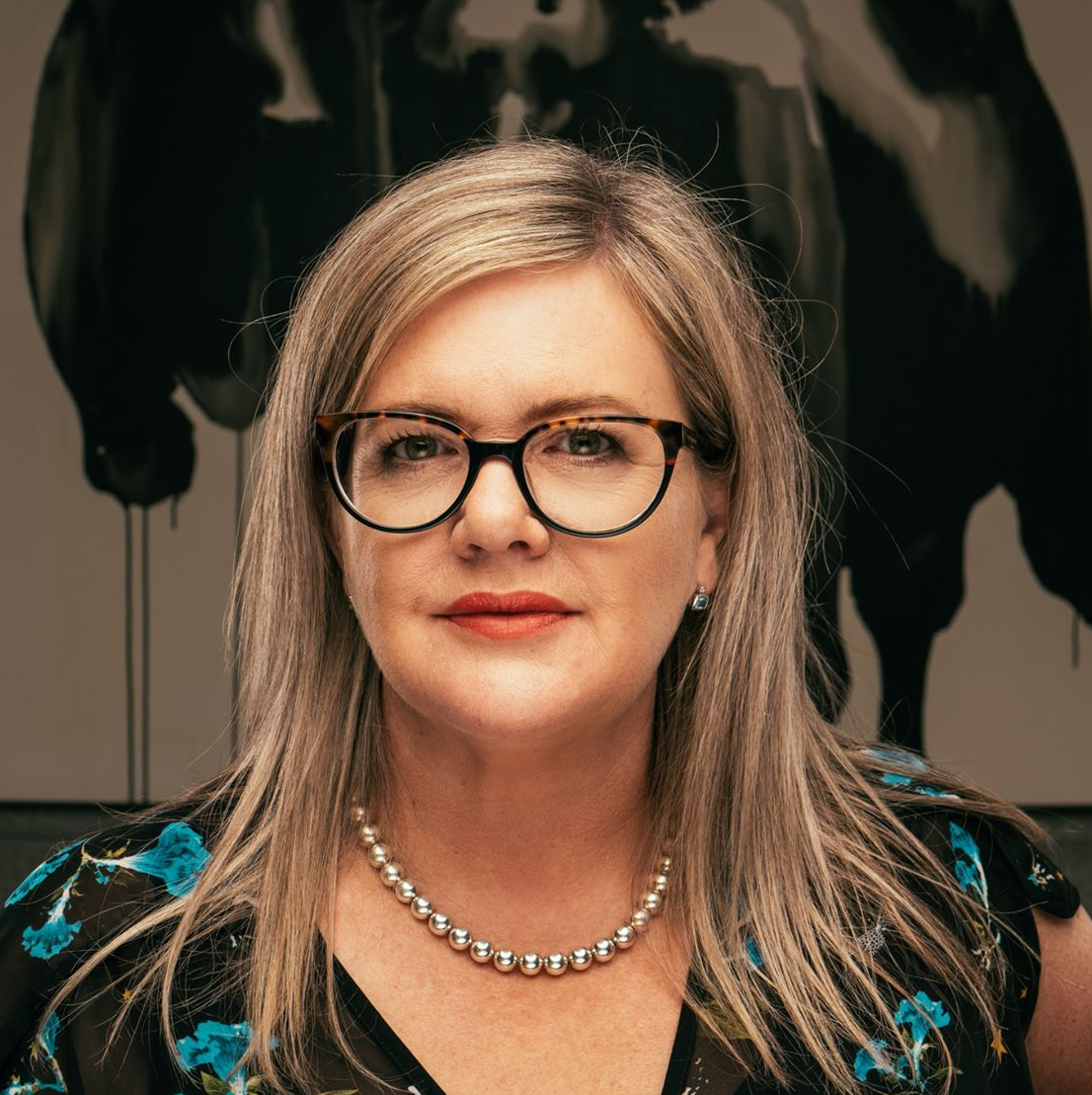
She is based in New Zealand but works with companies around the world.
Her passion is helping Entrepreneurs live their ideal lives & she works with entrepreneurial business owners & their leadership teams to implement EOS (The Entrepreneurial Operating System), helping them strengthen their businesses so that they can live the EOS Life:
- Doing what you love
- With people you love
- Making a huge difference in the world
- Bing compensated appropriately
- With time for other passions
She works with businesses that have 20-250 staff that are privately owned, are looking for growth & may feel that they have hit the ceiling.
Her speciality is uncovering issues & dealing with the elephants in the room in family businesses & professional services (Lawyers, Advertising Agencies, Wealth Managers, Architects, Accountants, Consultants, engineers, Logistics, IT, MSPs etc) - any business that has multiple shareholders & interests & therefore a potentially higher level of complexity.
Let’s work together to solve root problems, lead more effectively & gain Traction® in your business through a simple, proven operating system.
Find out more here - https://www.eosworldwide.com/debra-chantry-taylor
SUMMARY KEYWORDS
AI development, workflow automation, digital apps, web applications, digital agency, website accessibility, security breaches, responsive websites, cloud computing, user experience, custom applications, business efficiency, prototyping, SEO, digital transformation.
Darryl Dillon-Shallard 00:00
AI is helping to bring the cost of development down. We still need humans in the lobe, and you need still any humans to do things, but that doesn't make it like prototyping a lot quicker.
Debra Chantry-Taylor 00:08
You don't need AI for everything. A lot of this stuff is, you know, about workflow automation and just creating tools within your software and connecting software together, so that it actually takes out a lot of that legwork.
Darryl Dillon-Shallard 00:19
Work on the brief, really work on the brief, and this is where AI can be really helpful. You can kind of use it to bounce ideas off, ask it questions, start to feed in issues that you might have, and that's going to help you put a really good brief together.
Debra Chantry-Taylor 00:38
Hello, and welcome to another episode of Better Business, Better Life. I’m your host, Debra Chantry-Taylor, and I’m passionate about helping entrepreneurs build better businesses and lead better lives. I started this show several years ago to share real-life stories and help business owners understand what building a better business really looks like. Today’s guest is here because the digital world is moving incredibly quickly, and I wanted someone who could explain what is happening in that space. We’ll be talking about how the digital world is changing, what digital apps and web apps actually mean, what to watch out for, and the pitfalls that can arise in digital and application development. My guest is the author of a book about listening, which I’ve linked in the comments. He is the Chief Growth Officer at Butterfly, a digital agency that has been around for almost 20 years. He also developed an app for managing horse stables, which became the largest app of its kind in that industry before he sold it for a nice sum. He now works in the area he loves. Please welcome Darryl Dillon-Shallard. Darryl, it’s lovely to have you here this afternoon.
Darryl Dillon-Shallard 02:03
Thanks, Debra.
Debra Chantry-Taylor 02:03
So, I mean, obviously we work together in the as an EOS client, but we're not gonna be talking about that today. We're here to talk about the stuff that you really are an expert in, and that is the whole digital web application space. Now, I don't actually know your story, so I'm going to be hearing this for the first time, just like the listeners are. So, would you tell us a little bit about your, your.. how did you get to be where you are today? And what is it you do?
Darryl Dillon-Shallard 02:24
So, I started off as a web designer. No, sorry, web designer. Before that, I was a graphic designer. I used to design street newspapers, you know, those street newspapers that you get out of the road, and you know, if you're waiting for a bus, you pick one up and flipped through it when no one had like a mobile phone, so I used to design then. Then, in like 1999 2000 I had the opportunity to go to Japan. While I was over in Japan, I was supposed to be there for four weeks, and I met another Australian who said, "Oh, you know, what do you do in Australia? I said, 'I'm a graphic designer. And he said, 'We're looking for a graphic designer. Do you want a job? And I went, 'Okay. And so I decided to stay in Japan. While I was over there, I got really interested in web design, so I started doing web design more than print, and I've got a real sort of tech sort of interest, and so I started bugging the developers about, oh, does this work, or what are you doing there, and so they gave me three books, MySQL, PHP, and Linux, and said go read these, and so off I went and read through them, and then I started to reverse engineer things that I liked on, like on the web, and I kind of worked my way through out how things worked, and so I started to become more of a developer than a designer. When I came back from Japan, I started doing some freelance work as both a designer and a developer, and then I met two people that I ended up starting a business with, a startup called My Stable, which was a software for horse trainers. I knew nothing about horses, but I did. You know, I could do the design, I could do the code, and so I built some software, and off we went. And over 10 years, we built My Stable up to be probably the, at that time, the biggest sort of software in that industry for hostelries, for websites, communication, and things like that. We ended up selling it, which was a great experience as well. After that, I took two years off it, and I ended up doing a diploma in counselling with the idea of maybe doing something around, you know, counselling and helping people got a lot of great skills out of that course that I didn't, I didn't think that was right for me, and so I ended up thinking, what can I do? I've got design, I've done development, I've run a business, and now I've done some quite communication skills. I thought, well, maybe I could. Of an agency brings some of that experience to there, so I was lucky enough to get a job at Butterfly, and I'm now the Chief Growth Officer there. So, as Chief Growth Officer, I work and manage the sales and marketing teams, I work with the clients directly, looking for solutions for the digital problems, and kind of also they're in a leash bra butterfly, butterfly has been around 19 nearly 20 years now, so Melbourne-based development company build websites and custom applications mainly for, for what we call for-purpose organisations, so government, education, the health sector, not for profits. Yeah, we kind of do websites, apps, integrations, user experience, and one of our niche is accessibility design. So building websites to meet the WCAG guidelines.
Debra Chantry-Taylor 05:59
That is what I'm going to ask you about in a moment, in terms of, I suspect, over the 19 years, website development, app development has changed a lot. I mean, even the fact that you were learning from books back in your day shows how much things have changed. But I mean, I remember, I don't know how old you are, but I'm 55 and I remember the first basic websites, and where we are now versus that is a huge, huge difference. Tell me, what's changed in those sort of 19 years at a high level.
Darryl Dillon-Shallard 06:24
Wow, I, I end up thinking about this the other day. I built my first website for the, for a band, maybe like a band I was in at the time, in 1997 So that was a long, long time ago, and things have changed dramatically. I remember as a designer, I used to design websites using something called Flash, because you can make it like, you know, things move and you can be really creative, and obviously, you know, with Google not being able to index it and Apple not liking it at all, that kind of faded away when I was in Japan, wondering about the Japanese were really at the forefront of bringing websites to mobile phones, they had these little small little flip phones, and you could write HTML crypto small websites to go on these little tiny little screens, and so we thought that was amazing, and then so we started kind of developing little applications to that while we were in Japan, and then obviously the mobile, the iPhone came out, and everything changed from there. Other big changes, I guess, that I've seen is cloud, everything moving to the cloud. So, before, like in the early days, you would have dedicated servers, it could even be like a server in someone's room that was hosting websites, but you know that's all moved to the cloud, other things is responsive websites, so I would say over 50% of people's traffic nowadays is probably coming from a mobile device or even with tablet, and so being able to kind of build websites in a way that are responsive to whatever device people are on, that was a big change, social media obviously might have changed everything, and now you've got AI kind of like taking everything to the next level. So, what's the changes over the last 20 some of years?
Debra Chantry-Taylor 08:09
And you've taken me back to a few things. I remember my first agency was actually an agency that did mobile websites and text campaigns, and our first website was built in Flash, and we were like the Charley's Angels, and we had this flash thing of myself and the other angels with my agency coming to save the world from all the stuff, and it was, I remember developing mobile websites, I mean, they were so basic in the early days, but it was just a huge change to the way that we actually accessed information.
Darryl Dillon-Shallard 08:36
Yeah, it certainly, certainly was. And so you used to use flash as well.
Debra Chantry-Taylor 08:40
Well, I'm not the technical person. Let's be really, really clear about this. I was the visionary. I was the person who loved the marketing side of it and the application of it, and I had a whole team of developers and things actually did. But yes, they developed the first website in Flash, and then we say we used to the web stuff, which was very much menu driven, very basic, and it was at the time when data downloads cost a fortune, so if you did a video, like a half minute video, it cost something ridiculous, like 70 or $80 to actually download it. So it wasn't an option to be doing anything particularly flash on those devices, but obviously, as time changed, we got the, yeah, the iPhones, even the Blackberries, and then we started developing responsive sites, and well, first I don't know if you remember back in the old days, you actually had to develop a different website for every single type of phone, because every phone was different, and now, of course, we have responsive sites, which are a little bit easier, I guess.
Darryl Dillon-Shallard 09:31
Yeah, big change. No, I also remember the days of dial-up connections, of where you'd be downloading something called, or trying to do something, someone would pick up the phone, and then watch the connection.
Debra Chantry-Taylor 09:44
Oh, there's the day. Thank goodness we moved past those. Okay, so I suppose that we've now got the invention of AI and all other kinds of things. I think a lot of people expect that everything should happen in a heartbeat now, and everything should be really simple, really easy, but. It is, it's not sort of necessarily true, is it? I mean, there's still, yes, you can build a website within half an hour using some kind of AI device, but there's a lot of pitfalls to that, and a lot of things that you've got to be very careful about. You want to explain some of those things?
Darryl Dillon-Shallard 10:14
Yeah, I guess that's part of the whole vibe coding that's going all these days, and I've seen some people come to me with what are prototypes showing me like something that built in it could be even something like Canva, I remember when someone told me either built a website in Canva, I kind of had a little bit of an internal chuckle, but when they showed it to me, I was like really impressed with what they're built as a prototype, but the one thing people don't understand is that that's what they are, they own prototypes, something that you can look at, you can visually see, and kind of work through, but what's behind that, like that's part of the big problem, people are building things these days, and then, and then they seem to work, and so then they're trying to get it and push it live, not knowing exactly what's behind that. There's been lots of cases of security breaches being built in, because people aren't, you know, they don't know the right processes, or how to, how to structure things, or how to get the AI to check for certain things, because they've been putting API keys hard coded or not even included, and other things that are open, so that's a real risk. So, what we suggest is that even if you are doing using AI to do a prototype, and that's great, because coming to an agency and saying, hey, check this out, this is what I want, doing everything I need, and we can look at it and go fantastic. We know exactly what you want, and we can kind of build the back end for you and connect it to everything, and we've got a great understanding. So, using it as that is really great, but you don't want to get into the situation where you're you're just thinking that the AI has done everything correct under the roof, I mean, just going live, and then having it all open to the internet, that can be a real..
Debra Chantry-Taylor 12:07
so I suppose it sped up the process. I mean, back in the old days, we used to have to do wire frames, and we do mood boards, and then we do like the little screens, each screen to show what each screen looked like. Now you can build a prototype quite quickly, so that you get a sense of what's going to work, what's not going to work, and so for an ideas perspective, ideas can come to life a whole lot more quickly, but it still still needs to be built properly in the back end.
Darryl Dillon-Shallard 12:29
Certainly does, and even with the prototyping, there's things that you need to consider. For example, website accessibility is something that we're very passionate about at Butterfly, so there's a set of guidelines called WCAG, the Website Content Accessibility Guidelines. They're a set of guidelines that we can follow to make sure that the website's accessible to all users, so even people that might have a disability, they work with screen readers, things like that. So, if you're not even asking AI to include those sort of things within the prototype, it's not going to do it, and so you might be missing the boat on a lot of things, just because you don't have the skills or the knowledge to kind of use that in when you're building the product to the prototype, so yeah, you can build things quickly, and that's great, like I don't have anything wrong with that, I think that can be a really good thing, but actually bringing that to an agency where we can kind of go, like, well, have you thought about this? Here's some other things that you, we need to consider, and that's going to make it even better.
Debra Chantry-Taylor 13:29
Okay, you mentioned briefly, and I really want deep dive into this. Security, you know, I see it happen a lot with my clients, where they get very excited, particularly CEOs and founders, about, oh, we've got to have AI in the business, so they, they put it on their, their VTO, they're going to have, you know, explore AI and bring AI into the business, but they haven't really thought much about the implications of security, and you've got individual users, I mean, we, we see it all the time, some of the healthcare providers that I work with, they send out lots of test emails to see how vulnerable the staff are in terms of clicking on things and fishing for information, and even though we think people have got their heads around this, the failure rates on those campaigns of checking how what staff click on is actually phenomenal. It's like it's huge. People still haven't, still don't actually take huge, what is what they don't, they don't think about the security issues, they just click on things and off they go. So AI opens up an even bigger challenge, doesn't it? So, tell me a bit about the security stuff
Darryl Dillon-Shallard 14:30
with the example you gave. Then I remember, remember those on the Prince of Nigeria, or some of the Gans Pizziter on, and the English would be absolutely terrible, and you could tell whether it was a scam, because he's like, doesn't even make sense now, like they can just put that through AI and clean that up, and then it does start to sound a little bit more legit, you know, they can get examples of bank emails that have gone out to copy them and get the right sort of tone and voice to get to get it looking right, so they are. In a little bit more hard to spot, there's a lot of things going on, I guess, in the AI sphere around trying to keep it more secure, as in looking at security. Now, the other thing is, you've got AI that is helping people find those vulnerabilities, because then you can actually start to use AI to kind of scan things and look for those sort of things that I don't even get to the end user, so it's one of those sort of ways, it's getting getting better, but it's getting harder at spot as well.
Debra Chantry-Taylor 15:27
Yeah, so from a website perspective, though, What is the biggest challenge around security? What are things, but what do people not think about?
Darryl Dillon-Shallard 15:35
I guess a couple of things would be when you're writing your brief, that we're thinking about a website at the start. Let's say it's a new website, or maybe a rebuild, putting security front of mind from the very start, and actually having that as a question when you're talking to an agency is really important. You know, asking them if they're, if they're following the essential A, or if they're ISO 27 001 accredited, or you know, what's their security policy? Getting those sort of questions up front and getting them to answer it is a great start, because if they, if you start to hear, well, we don't have it, or we don't know, you know, there's some issues there, that would be a great start, even with the brief too. It's really important to kind of spend some time on that to get it right before you even start to go in to market to look for someone. A lot of times people kind of will just say, oh, we need a new website. One agency might think that's 10 grand, another agency might think that's 100 grand, like there's.. you need to kind of spend the time and really get as much of what you're thinking, what your needs are, what your goals are, things like security questions, looking into things like website accessibility, are there any new regulations that we need to adhere to, getting all that upfront before you actually, you know, go, go to an agency is really important,
Debra Chantry-Taylor 17:01
okay, and so that's some really good questions there to ask when you're actually thinking about an agency app development. I mean, that is, I don't know if apps are in or out at the moment, but I know they're going to go through phases where people are all very obsessed with apps, and then all of a sudden they're not, you know, it's more about mobile responsive sites. But what are some of the sort of exciting projects you've worked on, where you have developed an app as opposed to just a website.
Darryl Dillon-Shallard 17:27
Yeah, when we talk about packs and applications, not so much, you know, that traditional mobile app, like you said, they were extremely popular, like 10 or 15 years ago, everybody had to have an app, and we were building a lot of them. These days, not so much, because you can do so much on your phone through just the web, your responsive website, and a lot of people are finding, okay, well, that actually does exactly what we, we need. So, unless you've really got some functionality that needs to be on like native to to the phone, most people are just choosing to go with a responsive website. What we're finding is more and more people and organisations are looking for web-based applications, which is kind of like a custom application for their organisation to kind of help with, you know, improving processes and workflows, connecting different things together, creating better customer experience, and things like that. So, it's more heading towards what we're seeing, is more heading towards that custom application for organisations to kind of improve what they're doing internally or externally, instead of so much of like, oh, we need a nap,
Debra Chantry-Taylor 18:42
okay? Any, I mean, I know you can't share kind of secret information, but any sort of really great projects you've worked on recently, where, because a lot of the talk with, especially with CEOs and founders, is about efficiencies and improving efficiencies and getting more out of existing people, or even getting rid of people in the organisation. So,
Darryl Dillon-Shallard 19:00
what kind of work have you done recently that you can really point to that has helped with efficiencies? Hope you can't give away exactly what it is, but then working on an application with a pretty large organisation, can't even probably tell you exactly, I won't give the name away, or well, but it's built, so it's a custom build application in Python using Django and Lagtail, so just to just give those people who are out there who have gone kit of a developer, and I did a lot in talking about, and so we kind of went through a whole discovery phase with them to solve their problems, so they came to us with this is our problem, this is what we need, kind of went through a whole discovery phase with that, which included user experience, looking at the information architecture, really getting an idea on what they wanted, building that in a sort of agile approach, so working with them over a period of, I think, maybe it was six to nine months, hear the project live included the design, the development, and then some user. Acceptance testing, and at the end they got a really good result, where they got some great feedback from their internal users that were using the product to say that 10 10x their sort of productivity and what they were doing, and so that's the kind of thing that we want to do. You want to find like what's in what in our organisation is kind of a bit of a roadblock for people, like what's holding people back from getting their work done. What could we do that's going to kind of free that up, so they can work on the more productive types of things, and then we can kind of go in there and kind of work with them to come up with a solution that kind of really, really helps that sort of internal process. For this one, it was kind of an internal process, and then that way they can kind of get more time to do what they really need to do.
Debra Chantry-Taylor 20:43
Yeah, so it's looking for a business problem, and going, how can we actually use web apps to kind of solve that business problem? And I think people kind of, you know, again, because AI is trendy, they jump to AI, but you don't need AI for everything. A lot of this stuff is, you know, about workflow automation and just creating tools within your software and connecting software together, so that actually takes out a lot of that legwork, and as you said, frees up people to do what they, where they can add more value,
Darryl Dillon-Shallard 21:07
100% And I can be one of the steps in that, so then there might be connecting different things, things are kind of working for people, and then you can actually insert AI into one of those steps, like read this, and then get a report, or you know, you can actually include it in it, not so much AI, do this for me, it's about connecting it all together, and so it all works seamlessly.
Debra Chantry-Taylor 21:32
Beautiful. Let me go back a little bit. You mentioned, and I'm going to take an example you gave, you know, you said that sometimes when people are looking at developing a website or web application, and they might get quoted somewhere between 10,000 and 100,000 with different providers, and I know I've seen it happen where people kind of don't be together, but oh my, that's a huge difference. We'll just go with the cheapest version, because you know that will save us money. What are the sort of biggest mistakes that are made, because that often that 10,000 is not what it ends up costing them, it's sort of it blows out of proportion, and next thing you know, you've either got a product that doesn't deliver what you expected it to, or you have to continue to invest more and more to get it ready to get to. So, where what are the biggest mistakes you've seen, and how could people stop making those mistakes when they're comparing two different quotes from agencies?
Darryl Dillon-Shallard 22:17
Yeah, that's a really good question. It comes up a lot, I'd say. Butterfly somewhere in the middle, you know. We're not, we're not the cheapest, not always the at the high end, either. We're kind of in the middle there, and people often ask, we've got three quotes here, and they're very different. Comes back to what I said before, too, about the brief, making sure that you're really clear with the brief and what you're looking for, because people can interpret it different ways. Also, depends on the agency, that there's different ways that you can build a website. You could go to, for example, a freelancer, and then you could work with them directly, and that's great. You might be working one on one with them, but obviously, if they're sick, or if they decide to go to Queensland, your project might not get finished. Then you kind of move up into a, you know, a smaller agency, maybe two to 10 people, and that's great, because you still got that one to one. You might get a lot of time one to one with them, but the same thing, you don't have the special, you have one person doing a lot of sort of tasks, like the designer might be putting the development together and be the project manager. Then you kind of move to a kind of larger agency, which is kind of let's say 10 to 30, that's where Butterfly stood in around there, and that's when you start to get people who are specialised in a specific thing working on your project, so you'll have a dedicated project manager, you'll have a user experience or user interface designer, and you also have a software engineer, you might have a front end and a back end, so and quality assurance, and so you've got all these people who are working on the project that are kind of more specialised in it, so you're going to get a much better result comes down to budget, too. Obviously, you got to find what works works with you. Some of the other mistakes that I guess people might make is not asking some the right questions when they're looking, looking at an estimate, like, as I said before, are you meeting, you know, the right, the WCAG guideline, you know, the guidelines, website accessibility guideline, you know, do you have some sort of security certification? You know what, what's behind everything, you know, are your service hosted in Australia, or are they offshore somewhere? You know, it's about asking all those those right questions and having the right proof at the start.
Debra Chantry-Taylor 24:39
Biggest disaster you've seen him. I'm sure in your time I'm not talking about from butterfly, of course, but I'm talking about in general. What is the kind of biggest disaster? Because I've heard of a few where you know it's it's all sounded great until it went live, and then all of a sudden it was an absolute disaster. I've seen rollbacks and things, and actually just were talking to a to a friend the other over the weekend where they were launching a new. New piece of software, and you know they actually launched it live, and it just completely shut down the business, so they had to start all over again.
Darryl Dillon-Shallard 25:08
Yeah, I've seen up through everything at the last movie, some of the years, and even in my own, my own company, when I ran my stable, there was things like disasters, but you know, a lot of things that you think you've prepared everything for you've done as much, like we moved to the cloud from service, and it was a really big job, and things are going to come up, and you have to roll with punches. So, I've seen quite, quite a lot of disasters, but it's the more preparation you do is always obviously better, but always be prepared to that things do go wrong. One thing that a common mistake people might make is they'll test something in a staging environment, so that's your website that you usually have, but it's in a special server that only you and the development team can get to, so you can just check it all out and see how it works, and works fine. Great, we're going to go to the, we're going to go to live, and so it gets pushed to a production server, but that production set I hasn't been set up in a way to maybe cope with the amount of traffic that they're going to get, because what the people might do is like, great, the website's up. We'll send our social media, we'll send out emails to everyone. We've got a radio spot. Sunrise is going to do an expose. I mean, 100,000 people hit the site, and then it goes down, and people like, well, why is why is it not working? So things like that. It's about, you know, talk to your agency or talk to your web host constantly about, hey, we're doing this, is it going to affect our hosting, you know, because getting getting on TV is great, but if you suddenly get all that traffic and your host is not set up for it, all they're going to get is a blank page, and that's not great.
Debra Chantry-Taylor 26:56
So, I was just saying it was something similar, not quite the same, but when I was actually head of marketing at Tower Insurance. We had a similar sort of issue in terms of we started to run some advertorials on TV, where I was interviewed by the Good Morning host, or whatever it was, and we made an offer to people, I think it was on our car insurance, and the contact centre had never had that many calls in the entire life of the contact centre, so we had made a best guess of what you know the calls might be from the advertorial, and it just went absolutely ballistic, and so big lesson to learn in terms of being able to think about the impact that your marketing will have and what that's likely to do to the number of calls the calls and number hits the website, whatever it might be, and I said maybe it's better to drip feed, you know, when you do launch a new website, maybe it's better to drip feed and get some of your really good customers kind of using it first, and sort of see how it works before you then go out there and tell the world how amazing it
Darryl Dillon-Shallard 27:50
is. Absolutely, and it's about having those discussions with the agency or your web hosting company, just to make sure that you know you are right, you are covered, and they know what's going on.
Debra Chantry-Taylor 28:00
Yep, so being really clear about, yeah, so the supporting activity you're going to be doing to get people to that site. Okay, I mean, there's obviously a lot around web and web applications that you've got to be thinking about when you're looking to develop this stuff. Top tips or tools for the listeners, Darryl, like if you, if somebody is sitting here kind of going, hey, you know what, our website's a little bit out of date, and we wouldn't mind doing something a bit different, or they've got this crazy idea about some business process that they want to improve. What are the top tips or tools them to get them started?
Darryl Dillon-Shallard 28:32
Work on the brief, really work on the brief, and this is where AI can be really helpful. You can come and use it to bounce ideas off, ask it questions, start to feed in, you know, the issues that you might have, and it's going to ask you more, and that's going to help you kind of put a really good brief together. Then, once you've got that brief, it's kind of like help you more down the line when you're working with an agency, you know, to kind of like get, get that through. Do you enjoy due diligence, I guess, would be another one. So, really check up on the agency that you're working with, ask the right questions about security, ask them if they're, you know, going to build the site to for website accessibility, see if you can talk to the CTO, ask them some questions, find out where the hosting is, and once again, you could probably even ask AI. You know, what would be the top 10 questions to ask a digital agency? So, do that due diligence, ask them for some references, talk to the people that they've already worked with. That would be a good start. Third, listen, be a good listener. I've done a lot of work over the last year around listening. I actually wrote a book about it, which I'll, I'll pass one on to you, Debra.
Debra Chantry-Taylor 29:49
And maybe we can put a link in the bottom, so people are interested, they can have a read of it,
Darryl Dillon-Shallard 29:53
you know. Listen to, listen to what other digital ladies have to say, like you, what it's all great to ask the. The right questions, but also spend some time listening to what they're saying and getting their feedback. Digital agencies have built lots of websites, lots of applications, you know, they've got a wealth of knowledge, and so you might go into it with an idea on what you want to be open to what other specialists and experts have the same,
Debra Chantry-Taylor 30:21
and one of the things I'd like to add, as well, having been on both sides of, you know, running an agency that built websites, but also being a client as well. I think if you do get three quotes and they are completely disparate, don't just dismiss them. I think it's really worthwhile having a conversation with the people to understand why they're different, because especially if you've got a, you know, sometimes you have a really natural fit with the particular agency, and their quote comes in, you go, "Oh, my goodness, that was way more than I expected. I think going back and talking to them, and actually understanding why, how they've come up with that, can be really helpful, because often there's things that you may just may have missed, and it's worthwhile having that conversation.
Darryl Dillon-Shallard 30:58
Absolutely, are you comparing apples and apples, or apples and oranges, like you know what's different in these proposals.
Debra Chantry-Taylor 31:05
Yeah, like I'm going to throw a question, which I didn't pre-warn you about, but I suppose the future. I know that you're kind of like a visionary in training. What does the future look like? Where do you see things headed in the future.
Debra Chantry-Taylor 31:16
In regards to web and app and information, because I mean, really, web is just another way of accessing information, isn't it?
Darryl Dillon-Shallard 31:22
Things have changed, and they're going to keep changing. It would be, it would be very hard to kind of pick which direction they're going. The current trend, obviously, is there's been a massive drop in click throughs from people are kind of starting to use the Google AI summary at the start, instead of following down and looking for results, but at the same time, if you can get yourself into these AI labs, large language models as a resource, then you're going to get a lot more traffic too, so people are going to start finding that they're going to be a AI is helping to bring the cost of development down. We still need humans in the load, and you need still any humans to do things, but it does make it like prototyping a lot quicker, and you can scan a lot of things, you know, and have AI look over the code. There's code review, there's lots of things that are going on that are going to make custom software cheaper, and what I think people are going to see is that instead of going with large software, you know, or running software on sort of subscription, all that subscription model that can be quite expensive, it's going to get to the point where, well, instead of getting that software and then adding all these things on and having, you know, paying per seat, it's going to get to the point where it's just going to be easier to build yourself, and then you can be going to be able to customise it to exactly what you and your organisation wants, instead of getting a piece of software and with a licence fee paying per seat that kind of does 90% of what you want, and then you've got to still bolt these on anyway. I kind of see it going that way.
Debra Chantry-Taylor 33:09
Yeah, it was really interesting. I was actually talking to my.. I hope I've been doing some work around building some stuff for our business as well, and I was talking to our agency the other day, and I think that one of the things that they also said there was that yes, you can build things yourself, and people will try and actually potentially build it in house, but you have to remember that when you do build that piece of software, which is going to be obviously infinitely better, because it's really customised for you, there's all the maintenance of it. Who's going to look after when it breaks? Who's going to be there on call when you need something kind of change within it? So I still think there's a huge value in having an agency that you work with that is going to be there for you long term, more than 19 years, who can actually be there to solve those issues when they come up rather than sort of trying to do it in house.
Darryl Dillon-Shallard 33:54
Yeah, well, that's the thing, you, when I, when I say on build it yourself, I mean, with,
Debra Chantry-Taylor 34:01
with an agency, yeah, of course, yeah,
Darryl Dillon-Shallard 34:02
yeah, like you said there is ongoing, and that's part of the, I guess, the benefit of what you're paying for a SaaS product, but at the same time there will get a point where it's like, okay, well, it's going to be a better investment for us to kind of build something ourselves with an agency and kind of look after that for us than it is to kind of pay for this subscription fee,
Debra Chantry-Taylor 34:22
so this offers a service gets replaced by an agency who's still going to charge you an ongoing monthly fee, but they're going to be working specifically on your product, your workflows, your business. Brilliant. Hey, Darren, thank you so much for your time, that was really interesting. I'm looking forward to seeing who knows what's going to happen, and we always look, you look back 10 years and you kind of think somebody should have said an image of floppy disks in a locked up case the other day on the internet, I was like, "Oh my gosh, I've got some of those in my storage somewhere. Don't know what I could ever do with them now, but there's a whole bunch of them that are all lined up locking key in my storage centre, I think. So that was, you know, only what, 1015, years ago. Who knows where the world is headed?
Darryl Dillon-Shallard 34:59
Absolutely.
Debra Chantry-Taylor 34:59
Exciting times, but thank you for your time. Really appreciate it. Look forward to seeing you soon. Bye.

EOS Implementer | Entrepreneurial Leadership Coach | Workshop Facilitator | Keynote Speaker | Author | Business Coach
Debra Chantry-Taylor is a Professional EOS Implementer & licence holder for EOS Worldwide.
As a speaker Debra brings a room to life with her unique energy and experience from a management & leadership career spanning over 25 years. As a podcast guest she brings an infectious energy and desire to share her knowledge and experience.
Someone that has both lived the high life, finding huge success with large privately owned companies, and the low life – having lost it all, not once but twice, in what she describes as some spectacular business train wrecks. And having had to put one of her businesses into receivership, she knows what it is like to constantly be awake at 2am, worrying about finances & staff.
Debra now uses these experiences, along with her formal qualifications in leadership, business administration & EOS, to help Entrepreneurial Business Owners lead their best lives. She’s been there and done that and now it’s time to help people do what they love, with people they love, while making a huge difference, being compensated appropriately & with time to pursue other passions.
Debra can truly transform an organisation, and that’s what gets leaders excited about when they’re in the same room as her. Her engaging keynotes and workshops help entrepreneurial business owners, and their leadership teams focus on solving the issues that keep them down, hold them back and tick them off.
As an EOS implementer, Debra is committed to helping leaders to get what they want and live a better life through creating a bet… Read More