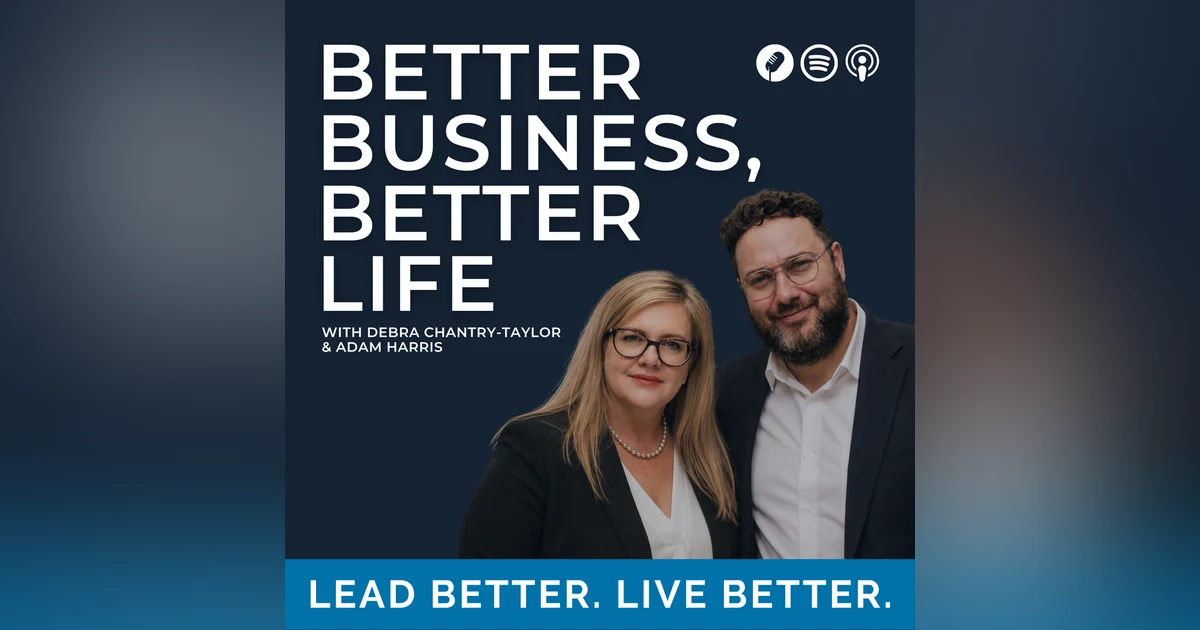
Brendan Lee: The Marketing Mistake Costing You Customers Every Day
In this episode of Better Business, Better Life, Debra Chantry-Taylor sits down with Brendan Lee, founder of Conversions Today, to uncover one of the biggest marketing mistake business owners make: building marketing around what they like, instead of what their customers actually need.

 Spotify
 YouTube
 Amazon Music
 Apple Podcasts
 RSS Feed
 iHeartRadio
 PocketCasts
 RadioPublic
 In this episode of Better Business, Better Life, Debra Chantry-Taylor sits down with Brendan Lee, founder of Conversions Today, to uncover one of the biggest marketing mistake business owners make: building marketing around what they like, instead of what their customers actually need.
Brendan shares his journey from corporate life to building a specialist marketing agency that helps businesses in complex industries such as law, accounting & medical technology generate measurable growth. Along the way, he discovered that successful marketing is not just about creativity. It is about understanding people, tracking the right data & making decisions based on evidence rather than assumptions.
A key theme throughout the conversation is the danger of vanity metrics. Brendan explains why likes, clicks & impressions can create a false sense of success when they are not connected to real business outcomes. Instead, he advocates for tracking the full customer journey, including offline activity such as phone calls, direct mail campaigns & letterbox drops.
Debra & Brendan also explore the growing role of AI in marketing, including how it can improve efficiency, speed up content creation & support smarter decision-making, while still needing a clear plan behind it.
Listeners will learn why effective marketing requires consistency, patience & a structured approach. Brendan also shares practical insights into ROI reverse engineering, helping businesses understand the true value of a customer before deciding how much to invest in acquisition.
This episode is packed with practical advice for business owners who want to stop guessing, avoid costly marketing mistakes & build a marketing system that consistently supports long-term business growth
CONNECT WITH DEBRA:
___________________________________________
►Debra Chantry-Taylor is a Certified EOS Implementer | Entrepreneurial Leadership & Business Coach | Business Owner
►Connect with Debra: debra@businessaction.com.au
►See how she can help you: https://businessaction.co.nz/
►Claim Your Free E-Book: https://www.businessaction.co.nz/free-e-book/
___________________________________________
GUEST’S DETAILS:
► Brendan Lee – LinkedIn: https://www.linkedin.com/in/bdanlee/
► Website – Conversion Today: https://conversions.today/
Episode 277 Chapters:
00:00 – Introduction
00:35 – Marketing Strategy and Introduction to Brendan Lee
27:26 – Brendan’s Agency and Marketing Approach
27:53 – Effective Marketing Strategies and Mistakes to Avoid
29:11 – The Role of Data and AI in Marketing
41:50 – Practical Tips for Improving Marketing Effectiveness
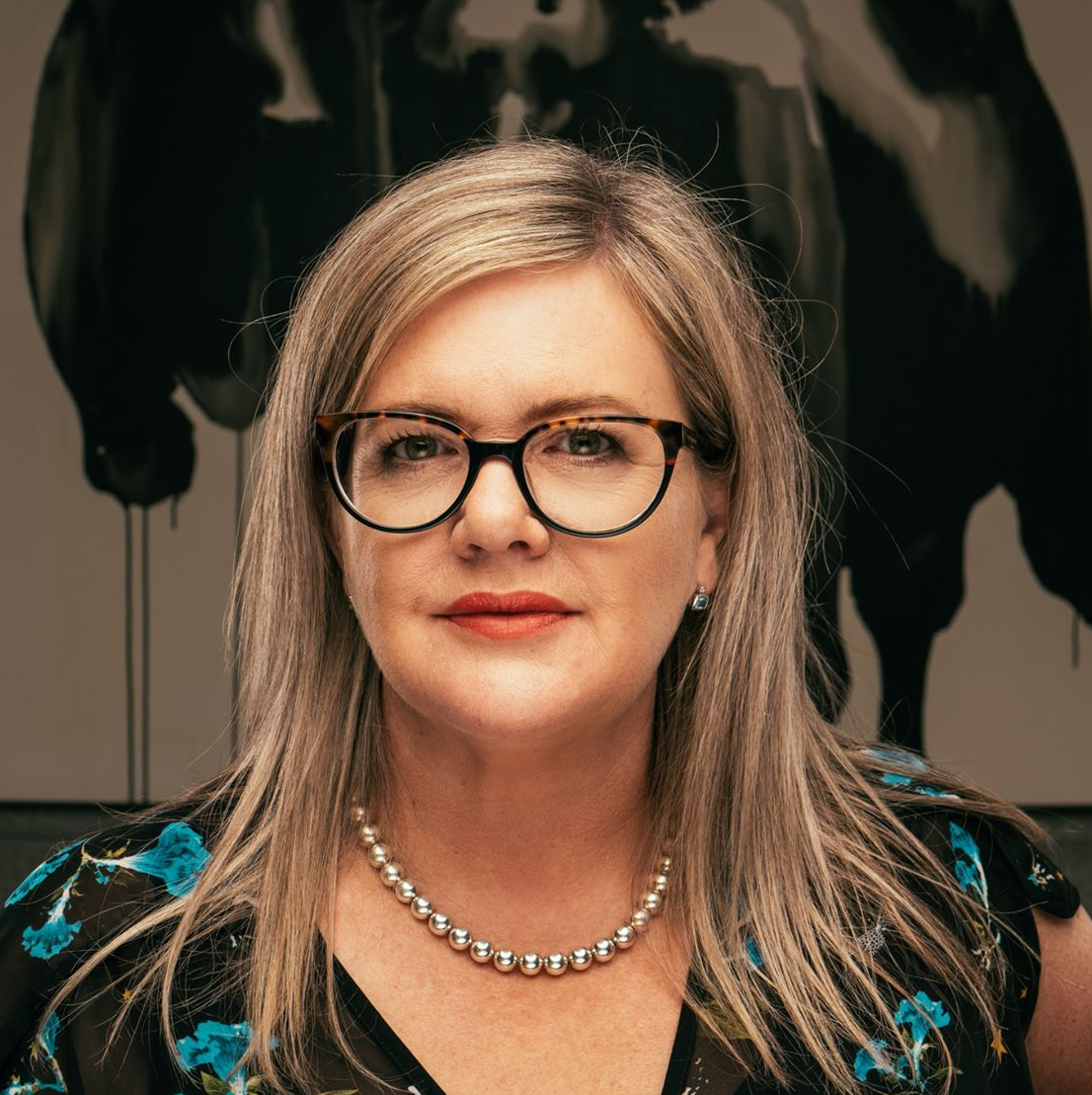
She is based in New Zealand but works with companies around the world.
Her passion is helping Entrepreneurs live their ideal lives & she works with entrepreneurial business owners & their leadership teams to implement EOS (The Entrepreneurial Operating System), helping them strengthen their businesses so that they can live the EOS Life:
- Doing what you love
- With people you love
- Making a huge difference in the world
- Bing compensated appropriately
- With time for other passions
She works with businesses that have 20-250 staff that are privately owned, are looking for growth & may feel that they have hit the ceiling.
Her speciality is uncovering issues & dealing with the elephants in the room in family businesses & professional services (Lawyers, Advertising Agencies, Wealth Managers, Architects, Accountants, Consultants, engineers, Logistics, IT, MSPs etc) - any business that has multiple shareholders & interests & therefore a potentially higher level of complexity.
Let’s work together to solve root problems, lead more effectively & gain Traction® in your business through a simple, proven operating system.
Find out more here - https://www.eosworldwide.com/debra-chantry-taylor
SUMMARY KEYWORDS
Marketing strategy, data-driven, ideal customer persona, offline tracking, AI in marketing, human behaviour, marketing momentum ratio, niche targeting, value upfront, ROI reverse engineering, QR codes, website tracking, psychographic profile, vanity metrics, marketing funnel
SPEAKERS
Brendan Lee, Debra Chantry-Taylor
Brendan Lee 00:00
Unless you've got loads of market research behind you, your strategy is always just the best guess. We're in a world where there is so much noise that if you aren't prepared to give value up front, if you're too guarded, then you will never break through. I teach this sort of triangle three parts on marketing strategy, and the point of the three parts is that it? Is cyclical, you meant to keep coming around, and when you get data, reassess your audience, reassess your content, and then reassess that data again.
Debra Chantry-Taylor 00:35
Welcome to another episode of Better Business, Better Life. I'm your host, Debra Chary Taylor, and I'm passionate about helping entrepreneurs and their leadership teams lead a better life by creating a better business. I started this podcast to allow entrepreneurs to hear from other entrepreneurs about what's worked and what hasn't worked for them, and we have a mixture of people who actually use EOS in the business, but also business experts, people who are experts in their field with skills that can help entrepreneurs, and today's guest is one of those experts. So, he has developed the marketing momentum ratio. He admits to being a closet introvert, so whilst he comes across as being very extroverted when he's out and about, it does drain him. And he's an accidental entrepreneur who is passionate about helping other entrepreneurs find their way. In the episode today, Brendan is going to share with you his marketing momentum ratio. We're going to talk about some of the mistakes that people make when they're looking at marketing, and hopefully answer the question, you know, that your people are saying they're doing a lot of marketing, but they're not really seeing the results, and what can you ask yourself when that is happening to you? So, let me introduce to you Brendan Lee. He is the founder and head coach of Conversions Today. Welcome to the show, Brenner.
Brendan Lee 01:46
It's not lovely to be here. Thanks for having me.
Debra Chantry-Taylor 01:48
Absolute pleasure. In my introduction, I described you, or you described yourself to me, and I described you as an accidental entrepreneur. So, why don't you share with us a little bit about what that means? How did you become an accidental entrepreneur?
Brendan Lee 02:00
Yeah, I certainly still to this day, if you went back in time and asked younger Brendan if he'd want to start his own business, I'd still say no. It just, the opportunity sort of just came about. I was, I am a proud child of immigrant parents who worked really hard to get here and studied really hard through university for the opportunity to have a corporate job, so my whole life was ingrained to me. That's what we're here for. That's, that's the opportunity Australia gives you, you know, study, study as hard as you can, get great grades, and then climb the corporate ladder. So that's the journey I was on. I didn't know any different, hadn't thought any different in my own sort of worldview. And then the opportunity came about one day that I was, you know, sort of in my, in my corporate world, I had two former colleagues independently telling me that they wanted to work with me, or they with the businesses that they were at now needed my expertise, and apparently neither of them could afford me full time, and so that naturally became this opportunity to become a consultant to both of them in a part-time capacity, and overnight I was a consultant. I spent my fifth day seeing if anybody else thought what I knew was valuable, and much to my surprise, they did. And so built a built build client base, and then naturally from there I sort of that word of mouth took off, and I had to build a team to deal with all the work I was getting, and so I became an agency. All of a sudden, had no intention of starting an agency ever.
Debra Chantry-Taylor 03:24
Okay, and just tell us a little bit about that journey. I mean, people always sort of think that things grow in this beautiful kind of, like, you know, straight line hockey stick curve. Has it been like that?
Brendan Lee 03:32
Certainly not for me. The it's been very up and down, you know. I think by starting it by accident I was, I was very fortunate. I don't get me wrong, I, you know, I'm very fortunate to have that soft landing pad to be able to try an idea, but because of that, I didn't have a strong sort of direction or passion for where it was going. I let the wind take me where it was going, and the wind was very kind to me, built up some, some really strong, you know, client base through word of mouth, now the part where it certainly was not a hockey stick, or was a hockey stick, but in the negative was most of my client base was in hospitality, and when Covid hit, you know, it was a challenging time for them and became a challenging time for me, but it was, it was a wonderful opportunity to reset and say, well, now that I've done this for five years, do I actually still want to do this, and you know, if I am going to do it, what should the business be, rather than taking what comes my way? What am I passionate about? What am I good at, and the team as well.
Debra Chantry-Taylor 04:32
So, a more deliberate strategy around what is really going to make your heart sing, and what you can do well. Okay, so tell us a little bit about what you
Brendan Lee 04:38
do do. Yeah, so I mean, the agency side of my business, that sort of was born out of Covid, we, we focus very much on. I always say that if you think that your subject matter is very difficult to understand or complex, then we're the best agency for you. So think about, I guess we work a lot with law firms, we work with med tech. Accountants, people whose subject matter needs to be very, very specific and needs to be respected, but at the same time, before working with us, they do a lot of essentially dry content that doesn't speak to the audience, it sort of just puts out the educational content that they have on their brains, so we walk that tightrope of being able to push them to say, look, marketing has a purpose in your business, you can't just sort of say whatever you want to say because it might not attract the right people or put it in a form that is attractive, it's our job to package it up, keep it respectful and accurate, but put it in a format that that's going to be appealing,
Debra Chantry-Taylor 05:37
so people who are listening in are probably still thinking, oh yeah, there's a million marketing agencies out there that do that. They all say that they do that. What would you say to that?
Brendan Lee 05:46
Yeah, I think the reason I chose that niche was because the team that I work with, I've always sort of worked with more experienced than senior people. I am, for better or for worse, I don't have a lot of patience to train juniors, so I've always, you know, had a team of more experienced people, and I think that's what gives us that expertise to be able to bring that real world perspective as well as experience into these conversations, so it puts us in a better position to push back or have more confidence and more perspective to give an educated pushback sometimes when, when clients are like, no, it's gonna be done this way, or you know, we're not afraid to say, look, you know what you know well, but we know what we know well too, so let us, you know, sort of guide you in the parts that that we know,
Debra Chantry-Taylor 06:37
and I know when we were talking before we came on the podcast, you talked about that, you know, you also help to teach people how to implement it, but before we get into that, I go, I guess if people are listening in, what would be their trigger or something for them to think actually we need some help, like where do they get to before they actually going to go, we need some help,
Brendan Lee 06:57
that's a great question. One of the, one of the things that I've found working, you know, not obviously not all clients have built the same, and one clear delineation I found was we were always very, we wanted to work in partnership and always wanted our clients to understand and own the strategy that we were setting for them, so the clients that didn't gel with us well were always the ones that said, I don't care, Brendan, just get the results, like that's a nightmare statement for me in any scenario, and some agencies love that, they just go and borrow away and do their own thing and bring you the data, whereas for me it's like, hey, this is a, it's a collaboration, all of the content and strategy has to be born out of your business and the way that you speak and your own personalities as a brand, and so that's how we work. So I say all of that because we naturally then are teachers, like it's no good for me to set a strategy that somebody doesn't understand. So we found that we were naturally teaching all the time anyway, whether we were running workshops or doing presentations, it was a lot of education of what we do and how the marketing works, and so naturally from there, you know, I segued into, well, how can I, how can I deliver this same value in a different way, so that I can help more people and help different people.
Debra Chantry-Taylor 08:19
What are you, the biggest mistakes that you see people making.
Brendan Lee 08:22
One of the biggest mistakes for me, like I'm a data nerd, like even though I did a communications and PR degree, and you would think it's all fluffy and words, I did, you know, heavy sort of maths and economics through high school. I'm very logic driven, and I always say that my marketing is paint by numbers. It's a joke in our house. My wife always goes, 'Oh, that's we have to do an invite for our kids' birthday. That's creative. You do that, it's marketing. And I'm like, 'Well, I still don't consider myself creative. Like, I'm very paid by numbers, but that's how I approach marketing as well. Everything needs to be data driven, numbers driven, and especially in this day and age, there's so much available that you can learn from, so why would you not take that, harness it, and optimise whatever plan you've got, and so, yeah, for me, the reason that marketing, the mistake that people make is they're not trying to track enough information, whether it be online or offline, and I think if I summarise it, offline is probably one of the biggest mistakes. People assume if it's offline that I can't collect data on it, like if it's a phone call made to my phone call line, how do I track data? If it's a letter box drop I've done, how do I track data? But all of those have touch points and certain things that we can track to measure success and find improvements,
Debra Chantry-Taylor 09:44
you may not know, but I have a sales and marketing background, and so for me, I've always been very passionate about marketing, and I see it as being a support function for the business to help the business achieve its goals, and you know, in EOS, we talk about our marketing strategy, which is really more about who is our ideal client, how do we communicate. With them, how do we, where do we reach them? We don't get into marketing specifics per se, but we certainly get them to think about who the ideal client is, because what I find is a lot of people, they try to be everything to everybody, and of course, trying to be everything to everybody doesn't really work, but also thinking about, you know, where do we find them, and how do we talk to them, is a big thing that people don't think about, and you just mentioned the whole offline, online people get a bit obsessed these days with digital and online, because they see it as being, I think, maybe cheaper, more cost-effective, more measurable, but it's not the be all and end all, is it?
Brendan Lee 10:32
Yeah, and certainly not. I think people look at it like it's a silver bullet, but there is, there's no silver bullet. I mean, it's happening now with AI, everyone just goes, "Oh, I'll just, I'll just use Charity to do all of my content, and great, all of a sudden I'll have a million followers, and it's, well, you know, it's not, it's not how it works. They're all tools, the tools have always been there, the tools have always evolved. So, a Letterboxdrop is the same available tool that that AI is, you know, it's just different tool, different time, different person that you're trying to target. And I love what you just said about EOS, because that's a really common thing. It's probably the next common mistake that I see people making is that trying to be everything to everyone. The phrase that I find myself uttering a lot to people, because whenever I ask people who their ideal client is, they'll immediately 90% of the time I hear people tell me five or six different things, and I'm like, okay, I didn't ask you who could be a client, ask you, who's your best client, and that's a, that's a delineation I think that is really critical to make, because there's no point trying to market to everyone unless we have an unlimited budget.
Debra Chantry-Taylor 11:30
Well, and even with, I mean, I used to be the head of marketing for Tower Insurance over in New Zealand, I mean, we did have a very, very large budget, we had $3 million a year when I first joined, and so we could spend a lot of money on all different things, but that doesn't mean that you should, and if you, and I'm a big data nerd as well, so if you use data effectively, and you start to work out, you know, what really does give good return on investment, without discounting that certain marketing is not going to give you a direct response. I mean, there's a certain amount of always brand awareness versus direct response that you need to do, but we got to the point where we were very, very careful about what we did, and how we spent things, and looked at the data, and we're going to go into a bit more detail, but you know, you don't want to be changing too many things at once, because if you change everything at once, you actually don't know what is making the difference and what's changing, and so over the sort of three and a half years I was there, we, we started with a $3 million marketing budget, we did a lot of tracking around data with a lot of tracking around, we know what results certain things got. We even got down to the point of knowing when TV commercials were the most effective, what was the right time slot, and and how long I looked to look at the law, diminishing return. How long does a piece of creative actually last for? So I could tell you exactly how long before a piece of creative lost its kind of cut through, what kind of time it should be on TV, all that sort of stuff. By the time I finished there, I had a nine and a half million dollar marketing budget, because I'd basically shown that by giving me $1 I could give them back more than the average return on investment. And so they kept increasing the budget until we got to nine and a half, because why wouldn't you, if I can, if you can give me $1 and I can make two, why wouldn't you keep giving me more dollars? Yeah, but bit of a squirrel moment, there. It's really, I guess, it's around. Yes, you do need to still be specific, even, even with all of that budget, and we still were really, really clear about where the low hanging fruit was. Who were the ideal target market? And if you have the ideal target market, it doesn't mean that you're going to go, "No, I can't deal with you, Brendan, because you're not the right target market, but you're not spending time, money, energy, effort trying to attract people who are not the right people.
Brendan Lee 13:31
Yeah, that's right, that person's going to come anyways. When I say, you know what I mean, like your business is running now, those people are finding you now. So, so an additional campaign to target somebody who's not that person is, you know there's no harm to be done, and the other thing that you touched on, which I love, is probably another error that I see, is I feel like to think I've coined a term, I call it ROI reverse engineering, and so what I do with all of my marketing work is to say, what does success look like, what is it worth to the business, and then we can figure out backwards what you can afford to invest in it, like if you tell me the thing you're looking to sell is only worth $50 per customer, then we can't afford to spend more than $50 acquiring that customer. It's pretty simple maths, I would have thought, but not a lot of people do that. They sort of put it out there and go, if I just get leads, I'll turn them into some sort of a sale, and I'm like, well, do you know what that sale is even worth? Is it highly variable? Do you want to sell things that are worth more to your business? I'm sure you do. Like, let's find a way to do that.
Debra Chantry-Taylor 14:26
It is interesting, isn't it? Because I do have.. I remember having.. when I used to teach this stuff, I was actually a tutor at the Marketing Association over in New Zealand, many, many, many years ago. I ran their certificate of digital marketing, and I was really more the facilitator. I used to get experts in to talk about various topics, but I was a facilitator, and I had a good generalist understanding of marketing, and one of the things was, you know, you'd have people sort of say, oh, but that piece of marketing is really expensive, so it's not about what it costs, I mean, at the end of the day, you can spend $500 but if it returns $10,000 then that was. Really good investment, and I'd have business owners sort of say to me, "Oh yeah, but you know, if I put a TV commercial on, it's going to cost $5,000 but I can put an advert in the coffee news, it costs $200, and I'd say some, "Yeah, but return on investment, you'd be better off writing, taking me out for lunch, paying me 200 bucks for a really nice lunch, I guarantee you probably get a better return on investment for that than you would spending it on that particular, not always coffee news can work. I'm not saying it can't work, but it's about the right channel for the right target audience of what you're trying to achieve, and sometimes the expensive items that actually can actually produce amazing return on investment, but it has to come back to, like you said, what is the value of that customer to you? I have a marketing funnel myself, for my business for my EOS practice, where I know what my client is worth to me, and it's a significant amount of money, sort of each year, and I don't take that light, you know, I hope I give as much value as I get paid for, but I know what it's worth to me, and so when I have a client contact me and they want to get hold of a traction book, I don't just send the traction book, I send out a traction book. They get an elephant, they get a chocolate bar, they get a handwritten note, they get an entire package. And when that package arrives in the mail, I think all up, it costs me about $110 for each package, but I also know that for every 10 of those, I get usually around about sort of four initial meetings. I then get two who go into a deeper meeting, and one will become a client. So, one out of 10 becomes a client. Where you know, 10 times 110 you can do the maths on that. It is still bloody good return on investment, but some people struggle with that, because they could be - you're spending $110 for somebody who may never become a client. Yeah, yeah, I am
Brendan Lee 16:40
exactly right,
Debra Chantry-Taylor 16:41
exactly, but also the nine that maybe don't, maybe don't right now, but I tell you what, they might become influencers, that sounds like a terrible term, but so they might be somebody, they might give that book to somebody else, they might talk about the fact that they got this beautiful pack from Debra, they might become clients in the future, you know, not everything is about absolute direct response, right here, right now. It's about building the brand for the future.
Brendan Lee 17:06
Lovely. Tell me about the elephant. I need to know about the elephant. What is it, and why does it go in the pack?
Debra Chantry-Taylor 17:10
So, the ones I send are not quite as big as that one, that's my big Ellie there, but I have little baby ones that I send out, still just as cute, still. But it's my specialty. My specialty is actually helping uncover the elephant in the room, so I hope we will have difficult conversations, things that they don't want to deal with, but they really need to for the grading of the business, and you know it's just one of those things. It's like I try and encourage some of my clients as well to think about when they get that pack they were expecting a book, right? That's what they asked for. Suddenly they get this courier pass over, is a little bit odd-shaped, it's not the norm. It comes onto their desk, and it's like, oh, what is this? And when they open it up, they get the elephant. They also get a torch, actually, they get an elephant, a torch, a chocolate bar, and attraction book, and all of that is a lot more than they were expecting. So, surprise and delight, they're getting a whole lot more than they were expecting. Hopefully, this will score me some bonus marketing points. They get a handwritten note, but on that handwritten note is a QR code where they can go and do an online organisational checkup to see how their organisation is going, and so I'm trying, you know, I can potentially capture data through that if they choose to do that, but it's just that, yeah, it's the fact that it's something a little bit different. I believe this is my personal belief, I think people rely too much on electronic stuff like LinkedIn messaging, and I'm not, don't be wrong, I have an email, I have LinkedIn, I do communicate through LinkedIn, I do have email newsletters that go out, but I just think that people do business with people, and humans like surprises, they like things a little bit different.
Brendan Lee 18:44
Absolutely, I completely agree. I did the exact same thing, actually, with a campaign when I was trying to recruit med tech, and they, you know, they were very valuable clients. Should they, should they sign up? And so, yeah, there, I had a similar pack that was, was worth well over $100 as well, and it was without doing the reverse engineering exercise, like, yeah, you can absolutely sit there and go, well, that's a lot of money, but you know, if you sit there and go, well, this client's going to be worth 20 grand, or whatever it is, then I'll pay 1000 every day.
Debra Chantry-Taylor 19:12
I actually had a client many, many years ago who actually send out iPads to clients, potential clients, and again, you kind of go, that's a lot of money, you know, the actual reality was they weren't, they weren't keeping that, like the iPad kind of came back and got recycled, but if they signed up, they actually got a free iPad, so it was good, but it was just, it was just something a little bit different compared to other people doing, but that's enough about me, that was a big squirrel moment, in terms of about squirrels, that's one of my tools in my kit, I talk about squirrels, or you know how a squirrel kind of is completely focused on a nut until it's not, until it sees something else and shoots off. I want to know more about data, because I'm no longer a marketing expert. I definitely used to be back in the day, but I don't do that anymore. I'm an EOS expert. But in terms of the data, you mentioned that you can collect data even when it's not online. So, what are some of the things that you can do? And then let's talk a little bit about what do you do with. That data,
Brendan Lee 20:00
I mean, one for the obviously I mentioned earlier that my business was born out of Covid, so that was one good thing for me to come out of Covid, but one of the other good things was blatant, wide, widespread use of QR codes, and I still vividly remember in 2016 having a meeting about an exhibition that we were running, and somebody told me about QR codes, and I was like, no one's going to download an app, and then do this, and blah blah blah, and they didn't, sure, at the time they didn't, but now it's, yeah, it's built into every phone app, and so, yeah, that's one of the easiest things you just mentioned. If somebody's going to scan a QR code, for instance, off of a physical piece of paper, that's a great data coin all of a sudden, because you know, rather than, and I actually had this happen with a client, we, we did a letter box drop, we did the QR code, and then we had a landing page, and you naturally assume that if you, if you didn't have that data point and you just sent out the letters, you would just then need to know how many people called me, but what we were able to determine in between was a bit of a sense of how many people actually read the letter and were compelled enough to go and visit our website, and then when they visited the website, what did they do from there? And so what we're able to learn and tweak was, we were like, hey, the letter's not the problem, people are coming to the website at a decent rate, whatever they're seeing when they get to the website is confusing the heck out of them, and no one's booking. So once we're able to fix that, we're able to fix the campaign,
Debra Chantry-Taylor 21:22
and I think this is, we talked a little bit about this offline, but we should talk about online now as well. Is we talked about that sometimes people get a bit overexcited, and so the campaign they're doing doesn't work, and they go, "Oh, let's just throw that out and start all over again, but that's not necessarily the smartest way to do it, is
Brendan Lee 21:37
it? Certainly not. You know, I, I preach that strategy should always be an active strategy, or you know, the I teach this sort of triangle three parts on marketing strategy, and the point of the three parts is that it is cyclical. You meant to keep coming around, and when you get data, reassess your audience, reassess your content, and then reassess that data again, and just keep improving, you know, you're better off running long campaigns that you can slowly get better, and this is the way, especially if you do want to get hooked up into digital algorithms. Need time, so if you just go and throw out a campaign, and then just conclude it didn't work in a month, maybe it would have worked if you a) gave it a little bit longer, but also b) just tweaked it a little bit. So, yeah, that's something that I'm always talking about is, you know, unless you've got loads of market research behind you, your strategy is always just the best guess, and so let the data improve that guess and pinpoint.
Debra Chantry-Taylor 22:32
Yeah, that comes back to that we kind of live in an instant gratification world now, and so we kind of expect, because I mean, I have it with, even with the OS, where people come in, they expect that there's gonna be some magic silver bullet, which is going to change everything immediately, and I have to, I have to tell them this is not going to happen. There's going to be 12 to 18 months to probably even two years before you truly start to see the real results. Sure, you'll get some wins initially, without a doubt, that's going to happen in the first three months, but it is, there is no magics of a bullet, it's consistency, it's as you said, learn like we always talk about in EOS, what's working, what's not working, what do we need to change, how do we change our focus, what's important. Let's not lose focus, let's not change too often, otherwise, where we don't have, you know, if everything's important, nothing's important. If we're changing our focus all the time, then we, nobody knows what they're supposed to be focused on. So, do you, do you see that with marketing as well?
Brendan Lee 23:20
Yeah, you know, I think you bring up a great point. We are certainly in a phase, especially now in this new AI era, where everyone just thinks I say one phrase or push a button and everything gets done for me magically, and that's certainly not the case. And I think that's the case with marketing, because it can be easy to produce, people go, okay, great. I'll just produce, I'll throw something else on the wall and see if that sticks, but you know, and people stumble into success that way. I'm not saying that people haven't, but the thing that I'm always talking about is what's repeatable and scalable. If you find success that you can't repeat, then to me, what's the point?
Debra Chantry-Taylor 24:02
Yeah, and I think also it's about the metrics, like what are you actually measuring? Because I think you said earlier, you know, you can get, you can create some amazing content with AI, and you can get a million followers, but so what? You know, it's a so what test for me, so what? You've got a million followers, how many sales did it actually produce? Is it really attracting? Are those million people actually people who are even your right target audience? Because you can create content that creates a huge following, but it's got nothing to do with, you know, what you're offering, or they're people who will never ever be your clients.
Brendan Lee 24:35
Yeah, yeah, a lot of when businesses come to me asking me, for instance, oh, Brendan, can you help me with social media. I always ask them, well, what's the goal here? And I more often than not, I tend to hear, oh, we just want to grow our following, and I'm like, well, I'll tell you what, go ask your bank if you can pay the mortgage and following, and when you get your answer, well, let's have another conversation.
Debra Chantry-Taylor 24:55
Yeah, I like that. I liked a lot, actually. It's, it's funny how. The world changes, but never really does. I remember when I was at the Ice House, many, many, many years ago, and I used to, after being, I've been with the Marketing Association. I also did some work with business owners, and helped them around digital marketing. What was important? It was back in the early, early days of Facebook. I'm not even sure when LinkedIn was barely being used then, so it was Facebook. It was.. I don't think Insta was really a big thing, then TikTok definitely didn't even exist back then, but yeah, it was that was this whole thing is like people like we've got to be on social media, and I would ask exactly the same thing, like why, what is it about social media, what is the outcome, the business outcome you want to achieve from this, because marketing is just a way to achieve your business outcome, and yeah, you can. I don't. I haven't thought about the whole bank paying your mortgage, but yeah, it's.. it can be. There can be vanity metrics that might make you feel really, really good. But are they actually moving the needle?
Brendan Lee 25:51
Yeah, yeah. It's funny. I've started a.. I don't know if you're familiar with the anti-social social club brand, but I sort of borrowed inspiration from that and sort of started a small little sort of movement of my own, which is the Anti-Vanity Metrics Club. I just, I just kind of cannot, and when, when people, they ask for reporting from their agencies, or this is a common thing that I get. People come to me and say, Brendan, I've been working with this agency for a long time, they send me these reports every month, but I don't know what's working and what's not working, and so I inevitably will say, if you don't mind sharing, you know, share some reports with me, and we'll see what we're looking at. And the dashboards are all the same, because they're the common dashboards that get spat out from all of these platforms, and they're all just measuring the same thing. And I'm like, well, every business has different objectives and goals. How can they all be interested in the same dashboard or same pie chart, so yeah, those to me, I just, I see those reports, and I just go, okay, for starters, they're not telling you anything important, and most importantly, there was no insight in that report, I don't care what the data looks like, I want to know what, what am I doing,
Debra Chantry-Taylor 26:53
what can you do with it? Yeah, absolutely,
Brendan Lee 26:55
so yeah, I'm a big, yeah, vanity metrics is a buzzword in my brains,
Debra Chantry-Taylor 26:59
fair enough, and I think the same thing happens with scorecards, like I mean, obviously we're now working with the US, we have scorecards of the business, and scorecards are meant to give you a finger on the pulse of the business, and so I often will challenge people and go, so what does that data actually telling you, because it's all really well kind of going, yeah, we ticked off that data, that data point, but, but so what, so what is it actually telling us about the business, it's not a, it's not a tick box exercise, this should be something we either look at and go, hey, things are going really, really well, everything's great, or actually we've got a potential issue here, and what's going on, and again, no, no two scorecards will be the same, they might be similar, some things that might be measured across all businesses, like hopefully revenue is always on their scorecard, but the other metrics and measurables change depending on what the business is, and what they're trying to achieve.
Brendan Lee 27:42
Absolutely,
Debra Chantry-Taylor 27:43
so we've talked a little bit about some of the mistakes that they make. We've talked about, so you know, not capturing all the data and not throwing up the baby with the bath water. Is there anything that is common across most clients, or a common thing that's missed across most clients?
Brendan Lee 28:00
I think the thing that is common across most clients, we touched on it a little bit, but it's if you can understand your what your target client, what let me put it this way, the most common thing is to try and put the human back in the marketing, and what I mean by that is, so we talked about things like ideal customer persona, and getting that right, and getting your targeting right, but I believe also there's a real cue inside to that, because that then naturally should flow into what is your messaging and what is your offer, because it needs to appeal to that person. The common mistake, I guess, in that front is people will inevitably develop their messaging in their offer based on their own personality and what appeals to them, so you know, sometimes I deal with people who are like, Britain, we have to create a calculator, and immediately I can tell I'm like, with that person, I'm like, that's because you like calculated, I go, but does your ICP like calculators, maybe we need to develop something different that will be appealing to them, so yeah, I think that's a pretty common thing, where again in this digital world people forget that still it's a human on the other end of this, and in order to build that connection, it needs to start human, otherwise there's going to be a weird jarring point where it doesn't make sense,
Debra Chantry-Taylor 29:18
and it's a good point, because I mean, I say we talk about target markets, and we don't, we don't get into marketing personas per se, or getting into real data, but we just try and get the whole team to think about who that ideal client is, so we're on the same page in terms of what we're doing. Then I usually say to clients, now go work with a marketing agency, or your marketing team, to develop all this stuff into things that are meaningful, but often you know the people in the leadership team are not the people who are the ideal target market, so we're applying our lens to it, but we're not, we're not that kind of person. So, in actual fact, as you said, what might work for us will not necessarily work for them. And I see it in communication styles, even, you know, across the business as well, internally next to Lee. My business partner, I always joke, because Adam Love. Send voice messages. I hate voice messages. I with a passion, because I don't like lists. I don't watch videos, I don't listen to stuff, because my brain goes a million miles an hour, and if you give me something written, I can read, speed read, and get everything I need from it in a heartbeat. If I have to watch a video or listen to a voice message, I've got to get their speed, does not work for me, which means that you know, so he communicates in the style that he likes, doesn't work for me, and vice versa, and we've had to make a conscious effort to kind of go when I want to send something to him, giving it in a style that actually works for him, and vice versa. That's really what marketing is all about, right? It's about having communication points that work for your people,
Brendan Lee 30:41
exactly, exactly, it's, you know, it's the amount of people that tell me, "Oh, but I, you know, want to build a following on Instagram, and then they'll tell me, "I, but I'm targeting 45 year old males, and it's like, "There's not a lot of them on Instagram, like, why don't you pick that channel? Like, pick the right channel. And also, then, when you're on that channel, understand the way in which you communicate, like, don't just because Instagram has a lot of fluffy inspirational content that is popular again, if you're targeting a 45 year old male, if that's the platform we're going to go with, that might not be the content that lands, you know, the style of the of the messaging that's going to land with that particular person that you're targeting, so again, you could build a million followers, but they might all be, you know, 25 year old females,
Debra Chantry-Taylor 31:22
yeah, which means nothing for the business, no business outcomes in there. What's your view on AI? I mean, I, I know it's such a buzzword, and we've done a few podcasts on it, because it is such a buzzword, and I think there is, you know, there's AI is definitely changing the way that we do things, and some good things and some bad things, but from a marketing perspective, tell me a bit about your views on AI.
Brendan Lee 31:42
First view is huge fan, but I'm a huge fan in it being used correctly and in the right places. So, you know, I've actually, I've just written a series that I'm about to publish called Stop Skynet, and if I sort of jump to the.. I don't know if you're familiar with the Terminator movies at all.
Debra Chantry-Taylor 32:01
Yes, of course. Yeah, yeah.
Brendan Lee 32:02
So, in the Terminator movies, you know, there's the Skynet, and it's the big bad evil future that's coming, because the robots are going to take over. But if I sort of fast forward to the end of my seven part series, essentially my point is that the AI and the robots weren't the problem, because Arnold is a robot, and Arnold's the hero in the thing, because he was used correctly, programme correctly taught to understand humans, reflect humans as best he could. So, my whole point with AI is, is it depends on on how you're using it. I definitely see, and we've sort of mentioned this earlier, I see people using it very lazily and sloppily and trying to get a silver bullet, sort of one prompt result out of it, whereas what I'm pushing with AI is generally it's something. It's funny, my, my dad probably didn't impart a lot of pearls of wisdom in my life, but one of them that I'll never forget, and it's usually because he was telling me off, to be honest, but he would, he would say, Brendan, two years, one mouth, he goes, you should be listening and thinking twice as much as you are talking, and obviously I talk too much, so that was why he was saying that, but I apply the same thing to people with AI. I sort of say to them, I hope that you've been researching and asking it reflective questions about what you're about to do twice as much before you start to do it, because that is what will make it more personalised, more human, and just less sloppy.
Debra Chantry-Taylor 33:24
And let's face it, whether we like it or not, they are paid models. They are designed to get you to use them more, which means that they're often going to tell you what you want to hear, as opposed to what you need to hear. And so there is an element of making sure that you are actually challenging them, and yeah, having them really not just be the nice person, oh, that's a fabulous idea, Debra. Yes, absolutely, you should do that.
Brendan Lee 33:48
I debra drew a phase there where I was like, hey, I'm just going to keep doing this because it gives me all the positive reinforcement I want, but yeah, it was not productive, and so, yeah, one of the big things, so I, you know, when I'm teaching what I do now, you know, in a big part of my business, I run a programme called Conversions Today, and a big part of it is I only expect to take sort of an hour and a half to two hours of somebody's time in on any given fortnight, but now with the power of AI, given the correct guidance, we can move the needle so much, for you know, whether it's a business owner themselves or they've got sort of a VA or a junior marketer, there's so much. If we can set the direction correctly in two hours, the amount of output that AI can give us in the rest of that fortnight is unbelievable, compared to even just six months ago.
Debra Chantry-Taylor 34:38
And it's moving at such a pace, we've actually got a couple of AI agents in our accountability chart in our team that don't do various bits of work for us. One of them is very much around just writing stuff, but you know, a couple of the GPTs in that agent are very much been around our two personas. We have two personas in our business, and we salary check things with them, and we kind of go, you know, here's what we're thinking about doing, tell me. What you think as the ideal persona, and it's great because we get some feedback from from them that is more critical. The other one is more around the sounding board and the chance to kind of challenge ideas and things, and we use that to make sure that when we're wanting to do something, you know, she has both she's because they're both little mini versions of me. She's been taught to push back in the same way that I would. What's her name is Ellie, after the elephant. You know what, you know what is the elephant in the room that I'm not thinking about? And, and sometimes I just want to kill her, because you know, she really does, she does, she pushes back, and she actually really challenges me. And sometimes I get quite defensive. It's like, but it's good, because you don't, you don't just like, you don't want yes people in your business, you don't want yes AIs either, because they can. They feed the dopamine, they're designed to feed our dopamine, they're designed to make us feel good. And, of course, that can be dangerous.
Brendan Lee 35:50
Absolutely, can be. Yeah,
Debra Chantry-Taylor 35:52
yeah. And vanilla,
Brendan Lee 35:54
I tell, yeah. Well, vanilla is a good one. I mean, the amount of flop I'm seeing on LinkedIn at the moment, where it's just like, oh, I can tell 100% from that structure that that's been written out of AI with no effort at all.
Debra Chantry-Taylor 36:05
The only thing is, and this is one of my things, my pet peeves, I mean, the whole em dash thing is, is obviously a little bit of a giveaway from AI, except that the em dash is actually a really nice piece of grammar.
Brendan Lee 36:14
I used it all the time before, and now I'm like, second guess it every time
Debra Chantry-Taylor 36:18
I take, I try and take them out now, because I kind of, if I'm doing anything with AI, because I kind of go, it looks like it's written by AI, but I mean it was a good piece of grammar that's been obviously over utilised. But tell me, what I mean. Yes, people see it as a shortcut, right? They see it as a great, I can just get shit out so much, so not shit out, get stuff out that's so much quicker. What are the real pitfalls?
Brendan Lee 36:38
So to me, and this is this is another thing that I speak about, which is I talk about having a marketing momentum ratio, and so think about it as a simple 8020 principle for now. Anyway, I always say that you should spend about 20% on strategy and 80% on doing most businesses, and the reason for that is I've seen the two polar opposites. I've seen in my agency life, I've seen businesses where we spend nearly 50% of the time doing work in progress meetings and reporting and strategy sessions and workshops, and I'm like, when are we actually doing any? Like, when do we put campaign live? So I feel like it's a little amateur in that sense, but then I've also seen the complete opposite, which is what we speak about with LinkedIn and getting stuff out quickly, which is 100% of the time, on doing people just go, oh, if I can just do more things, I'll be more successful, and I'm like, well, hang on a minute, if you're just doing a lot of things that you're not sure what relevance they play, maybe you can do 20% less of the things and think about the 80% that you are doing, what purpose does it serve, how does it all stitch together, and as you alluded to before, one of the things that I get all of my clients to do is we'll create a custom project or a GPT about the actual strategy and let it push back and say, like, okay, we're about to do this, does that work, and if you get it to push back, sometimes you'll be stunned to be like, oh, actually, yeah, maybe that's not worth doing, and that's a quick, easy way to figure out your marketing ratio, really. If you're going to spend an hour doing something, spend, you know, less than 15 minutes asking GPT whether it's the right thing to do.
Debra Chantry-Taylor 38:10
It's the seven habits of highly effective people sharpening the saw before you go and cut down the tree, right? Take the time to do it before you do it. Okay. Interesting. I'm sure that there's, there's so much more we could talk about, but as you know, I love to be able to give some top tips and tools for people, so they can actually go away. Otherwise, it's a beautiful, inspiring conversation, but not much they can actually do. So, what would you suggest? Somebody who's listening in now, thinking, yeah, you know what, maybe my marketing isn't working as hard as it could be. I'm hearing from the conversation we've had, the way you approach marketing is probably the way we as EOS implementers approach business. It's very structured. There's a lot of thought that goes behind it. It's about being very clear about what you want to achieve and who your target market is. So, yeah, so they're sitting in their listing, kind of going, yep, I've got my got my business sorted, but I'm not just sure about my marketing. I've, you know, they say I'm doing lots of marketing, but I'm not seeing results, or I'm doing lots of marketing, but not sure what's working, what's not. What would you, what would you share?
Brendan Lee 39:02
So, a couple of quick, easy wins. I would say understand human behaviour more. So, a quick, I mean, if I, if I throw out some tech, for instance, if you're sending out emails, do you, do you have the tech in place to know who's opening things, who's who's clicking on things, whether that's newsletters or even just personal emails, like some of that information can be so valuable, but then the other thing that I put every single person onto is any form of website tracking tool. So, Microsoft Clarity, really popular for me, because it's free, it's got a lot of information, but you're going to immediately be able to know, okay? Where are people scrolling on my website? Which of my pages has places where people are clicking, and that's not even a button. So many simple things, where if you spent the effort getting somebody to your website, let's figure out what they're doing when they're there, because that's where the, that's where the real money gets made. So, yeah, understanding that human behaviour is. And yes, it's a data point, but this is probably more qualitative data that I'm encouraging people to gather. Next, second tip, we touched on this a fair bit, actually, but I always say niche and target, so you know, we're creating ICPs
Debra Chantry-Taylor 40:17
now. You've used that terminology twice, and I think I know what it means, but I'm just going to ask the ICP
Brendan Lee 40:21
ideal customer persona,
Debra Chantry-Taylor 40:23
that's what I thought it meant.
Brendan Lee 40:24
I made an effort to say it out loud before, and then I got lazy. I usually hate using jargon too, so that's really poor effort on my part. So, yes, creating yourself, essentially, what what I mean by this is create the psychographic profile of the top two or three types of people that you're trying to do business with, so and from a tools standpoint, get AI just to be your sounding board on this, but essentially think about here's a way to do it, think about three of the best customers you've got and sort of profile them a little bit, a profile their don't profile their demographics. It's not how old they are, and what they do for work, and what their family is. It's, it's the pain point. What keeps them up at night? What are they trying to achieve aspirationally? And then, what is the type of language that they respond to? Now, if you know those three things, and you create three specific profiles, you'd be stunned how differently your messaging would come across from a marketing standpoint. So, if you created that profile and fed it into any of the AR models and said, 'Hey, I've got this ad that I'm thinking of running, how does this ad sound if you were this particular ideal customer? And you'd be stunned how often you go, 'Oh, actually, I was just talking about my business in general. I didn't answer any of that person's pain points at all, or you know, I didn't attract them aspirationally. So that's a quick, you know, easy tip and win. I think I've got some tools that I happily freely share with anybody as well, if they want some guidance on, on, you know, sort of the right questions to ask. I've got a custom GPT I can share.
Debra Chantry-Taylor 42:02
Put a link to your site, obviously, in the notes, so they can actually get to that. Perfect.
Brendan Lee 42:06
And then the last thing, and I'm huge on this, is give value freely. So we talked about this already with your, your packages, for instance, but you know, I think we're in a world where there is so much noise that if you aren't prepared to give value up front, if you're too guarded, then you will never break through. Now, when I talk about value, I don't mean give the whole thing away, don't, don't sort of give people how you do everything or
Debra Chantry-Taylor 42:36
not the secret sauce.
Brendan Lee 42:37
Yeah, exactly. And don't go and, you know, don't, don't go and complete a service without agreeing to get paid for it, but, but there is always going to be a small bit of value that you can offer up front about what you do that will essentially open the door, because, and this is the important thing, I think the reason you need to give that value is for a lot of customers you need to show people that the problem can be solved, because too many people are sitting in this basket of it's too hard. I don't want, I don't even want to think about it. So, you know, you could highlight a pain point and a problem, but if you don't give them this glimmer that you can help them solve it, or it's solvable, they'll just keep going.
Brendan Lee 43:17
They'll be like, yeah,
Debra Chantry-Taylor 43:18
because I don't think it's possible. I love it. Okay, so understand that human behaviour more, use some tools to kind of really understand what's going on, be very, very clear about your niche and your target psychographics, not demographics, and then give the value freely, only with the intention of showing them that the problem can be solved, so it gives them a bit of hope, and therefore they might want to talk to you, and I think we often forget some of the stuff that we know intrinsically, you know, I come from a sales and marketing background. There's stuff that I've been doing for 55 years, and not quite 55 I think. I came out of the womb just about in business, but not quite. But yeah, that stuff that we just know because we know it, it's often stuff that other people don't know, and they will know stuff that you don't know. So, there's plenty of stuff that you can give that just gives them a little bit of an understanding of who you are and help you help them solve those problems. Beautiful. Okay. Great. I love it. I love all of it. I mean, there's some really great practical stuff in there. As I say, I think the way that you approach marketing sounds very much like the way we approach business and EOS, in terms of having a structured framework and not throwing at the baby with the bath water, but you know, iteratively improving things over time, which is the best way to do it, looking at what's working, what's not working. I've really, yeah, really appreciate you sharing your knowledge and your information freely.
Brendan Lee 44:27
No, like, well, that was my last point, wasn't it? I'm more.. I really enjoy the educating. I always said, if I win lotto, I would still do what I do, I just wouldn't charge anyone for it.
Debra Chantry-Taylor 44:36
Perfect. Yeah, that sounds good. But you love what you do, it certainly makes life a whole lot easier. Hey, Brendan, look. Thank you so much for your time today.
Brendan Lee 44:43
Truly appreciate it. Thank you, Debra. Thank you.
44:45
Bye.

EOS Implementer | Entrepreneurial Leadership Coach | Workshop Facilitator | Keynote Speaker | Author | Business Coach
Debra Chantry-Taylor is a Professional EOS Implementer & licence holder for EOS Worldwide.
As a speaker Debra brings a room to life with her unique energy and experience from a management & leadership career spanning over 25 years. As a podcast guest she brings an infectious energy and desire to share her knowledge and experience.
Someone that has both lived the high life, finding huge success with large privately owned companies, and the low life – having lost it all, not once but twice, in what she describes as some spectacular business train wrecks. And having had to put one of her businesses into receivership, she knows what it is like to constantly be awake at 2am, worrying about finances & staff.
Debra now uses these experiences, along with her formal qualifications in leadership, business administration & EOS, to help Entrepreneurial Business Owners lead their best lives. She’s been there and done that and now it’s time to help people do what they love, with people they love, while making a huge difference, being compensated appropriately & with time to pursue other passions.
Debra can truly transform an organisation, and that’s what gets leaders excited about when they’re in the same room as her. Her engaging keynotes and workshops help entrepreneurial business owners, and their leadership teams focus on solving the issues that keep them down, hold them back and tick them off.
As an EOS implementer, Debra is committed to helping leaders to get what they want and live a better life through creating a bet… Read More
Founder
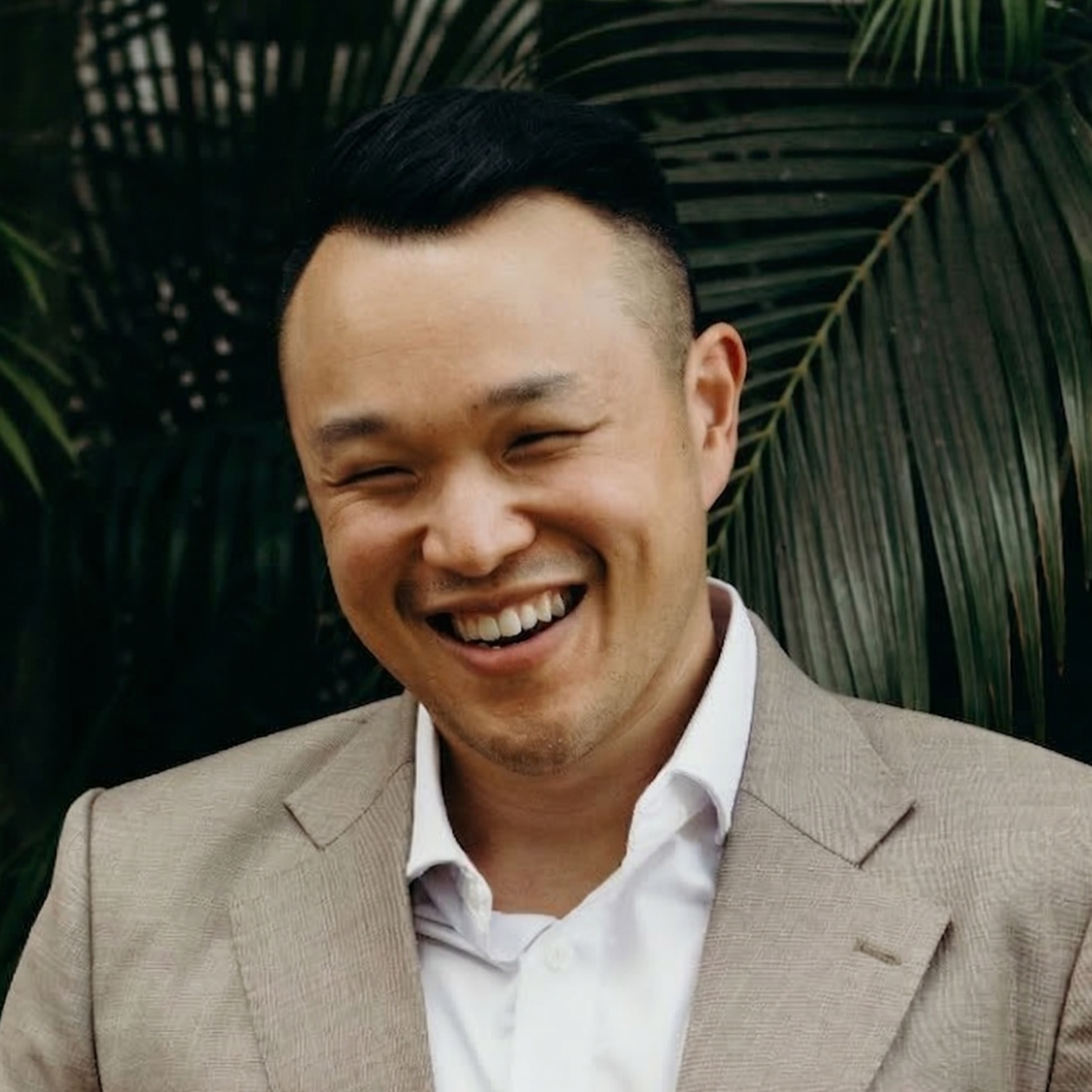
Brendan spent over a decade running a marketing agency before a pattern became impossible to ignore: small business owners were doing more marketing than ever and converting less than ever. Not because they lacked effort — but because activity and results had become completely disconnected.
He now runs Conversions Today, a 90-day Marketing Conversions Bootcamp that helps owner-operators stop doing random acts of marketing and start building systems that produce measurable sales. His clients are trades, consultants, professional services firms — people who are already busy marketing and can't figure out why it's not converting.
Brendan's approach is less "marketing guru," more seasoned co-pilot: he diagnoses what's broken, shows you where the revenue is leaking, and helps you fix it without starting from scratch.
Brendan is based in Sydney but has clients all over the globe. His favourite work thing to do is, run fortnightly live diagnostic session called Conversions.Live https://www.conversions.live/ where he works through real business problems on the spot — no slides, no theory.