Megan Piper: How a $3M Business Grew to $52M with EOS

 Spotify
 YouTube
 Amazon Music
 Apple Podcasts
 RSS Feed
 iHeartRadio
 PocketCasts
 RadioPublic
 In this episode of Better Business, Better Life, Debra Chantry-Taylor is joined by Megan Piper to explore how EOS® helped transform a technology business grew to $52M, while creating greater clarity, accountability, and trust across the leadership team.
Megan shares her journey from an unhappy French teacher to becoming an Integrator and fractional CFO, playing a key role in helping a technology business grow from $3 million to $52 million. Her experience demonstrates how the right operating system can bring structure and consistency to a rapidly growing organisation without creating unnecessary rigidity.
Throughout the conversation, Megan and Debra explore how EOS creates a common language for leadership teams, helping them move away from ad hoc follow-up and towards consistent quarterly execution. Rather than being a fixed structure or piece of software, EOSprovides a framework that can be adapted to the needs of each organisation.
With distributed teams becoming increasingly common, Megan and Debra also discuss the importance of intentional communication and how virtual environments can sometimes reduce hierarchy and give more people an opportunity to participate.
This episode offers an insightful look at what can happen when a growing business combines a clear operating system with strong leadership, accountability, and trust. From $3M to $52M is not simply a story about revenue growth, but about the people, systems, and leadership practices that helped make that growth possible.
CONNECT WITH DEBRA:
___________________________________________
►Debra Chantry-Taylor is a Certified EOS Implementer® | Entrepreneurial Leadership & Business Coach | Business Owner
►Connect with Debra: debra.chantry-taylor@eosworldwide.com
►EOS Worldwide Website: Debra Chantry-Taylor | EOS Implementer | EOS Worldwide
___________________________________________
GUEST’S DETAILS:
► Megan Piper – LinkedIn: https://www.linkedin.com/in/meganpiper/
► Website – EOS® Implementer – https://implementer.EOS®worldwide.com/megan-piper/
Ep 291 Chapters:
00:00 – Introduction
00:36 – Megan Piper’s Professional Journey
03:39 – Defining Business Operating Systems
14:22 – Lessons from Scaling and Challenges
17:07 – The Visionary and Integrator Dynamic
21:59 – Key EOS Tools and Implementation
22:52 – Communication and Team Dynamics
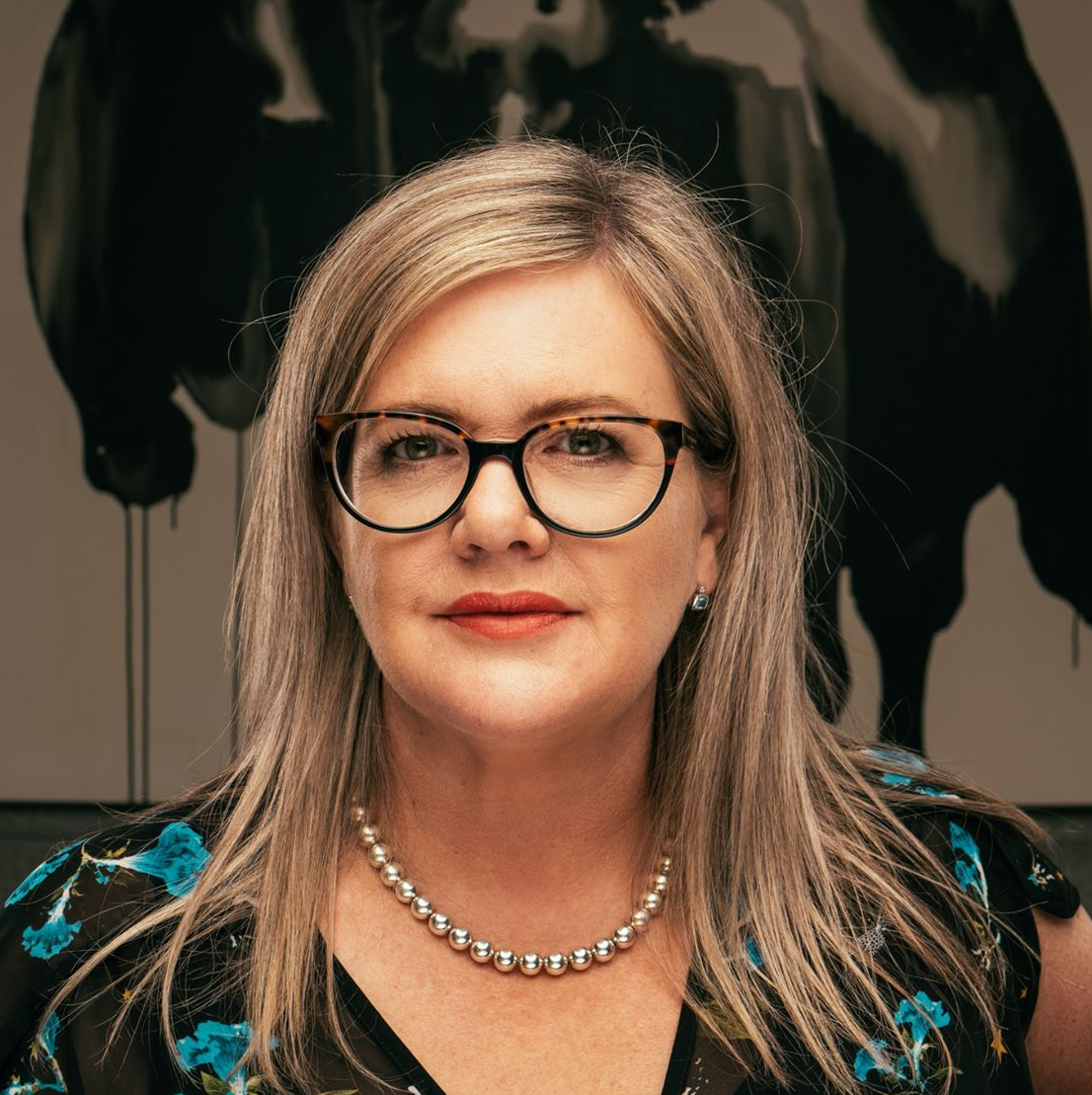
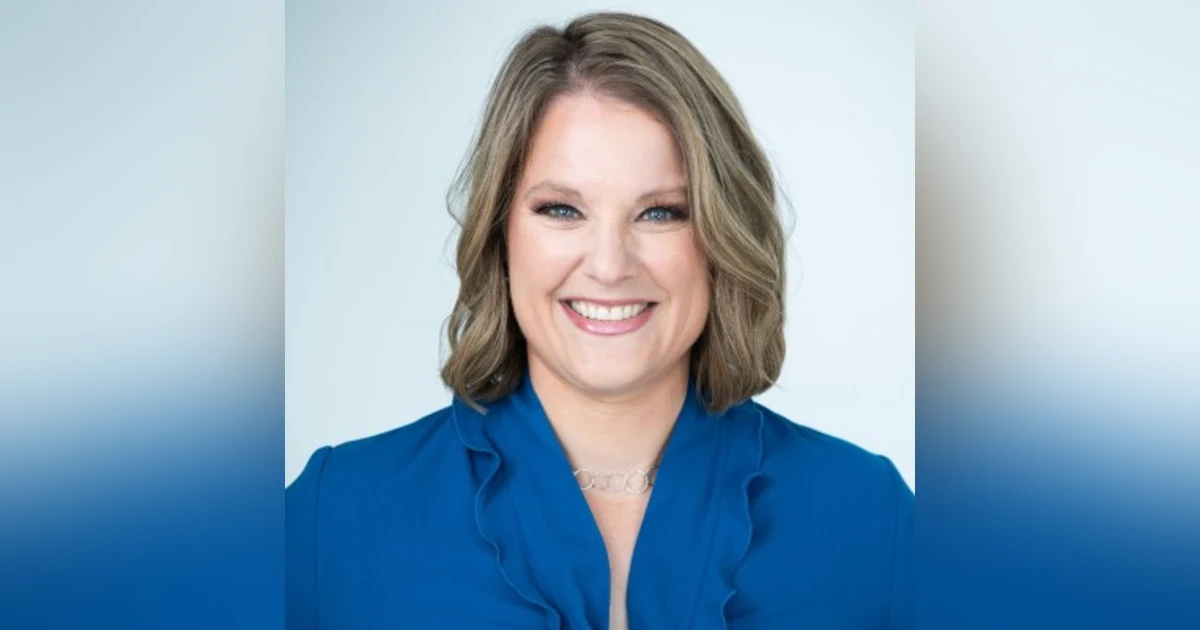
She is based in New Zealand but works with companies around the world.
Her passion is helping Entrepreneurs live their ideal lives & she works with entrepreneurial business owners & their leadership teams to implement EOS (The Entrepreneurial Operating System), helping them strengthen their businesses so that they can live the EOS Life:
- Doing what you love
- With people you love
- Making a huge difference in the world
- Bing compensated appropriately
- With time for other passions
She works with businesses that have 20-250 staff that are privately owned, are looking for growth & may feel that they have hit the ceiling.
Her speciality is uncovering issues & dealing with the elephants in the room in family businesses & professional services (Lawyers, Advertising Agencies, Wealth Managers, Architects, Accountants, Consultants, engineers, Logistics, IT, MSPs etc) - any business that has multiple shareholders & interests & therefore a potentially higher level of complexity.
Let’s work together to solve root problems, lead more effectively & gain Traction® in your business through a simple, proven operating system.
Find out more here - https://www.eosworldwide.com/debra-chantry-taylor
Megan Piper 00:00
I find if you say your opinion too quickly in the room, if you're a visionary integrator or in our role, it just shuts down the team and the ideation and the healthy conflict. The leadership team is so sacred around trust, and then trust is the foundation that leads to the results. I don't use AI in EOS because I think it erodes the trust in the room. I love how Brene Brown says, "Candid is kind. So when you're candid, even when something isn't working, I find most things can be overcome if they're having those proactive quarterly conversations.
Debra Chantry-Taylor 00:39
I'm your host, Debra Chantry-Taylor and I'm passionate about helping entrepreneurs lead their ideal life by creating a better business. I started this show to bring you stories from people who have gone through the things that you're going through right now. I think sometimes as entrepreneurs, it can feel really lonely. It can feel like the stuff that we're going through doesn't feel normal. And the great thing about this show is I get to talk to people all the time, and you have these aha moments like, ah, that's normal. That's what happens in business. So today's guest is fascinating. She started life as a French teacher when every other person in her family was an entrepreneur. She also once upon a time coached horses and humans to dance. So a very very varied background, but she got invited by one of her students to actually come and work in the business, and she took that business from 3 million to 52 million using a business operating system. So, what she's going to share with us today is what a business operating system is, how it can really help your business, what are the sort of tools that you can use to really get everybody on the same page and be behind your vision, help you execute. And she's going to talk about things like how you can use a scorecard to actually hold people accountable and really have a finger on the pulse of the business. How, as a visionary, you're very different to an integrator, and the things that we need to be aware of as a visionary and an integrator, and how EOS is a framework, not a rigid structure. So we're going to talk about all of those things on the show today. So please welcome to the show Megan Piper, who is an expert EOS implementer. It's great to have you here.
Megan Piper 02:12
Thanks so much, Deb. It's great to be here with you.
Debra Chantry-Taylor 02:14
It is. We were just chatting a little bit offline, as we always do before the podcast, and I heard a little bit about your EOS story. I would love you to share that with the listeners and tell me how you came to become, or not only an EOS implementer, but now an expert EOS implementer.
Megan Piper 02:27
Yeah, fancy words. I don't. We're still. We're all learning every day, so I feel like I'm still on the path to the expertise. Let's see. Once upon a time, I was actually an unhappy high school French teacher. I grew up in a family of entrepreneurs, so I didn't formally have any business background, but I'd experienced the life that they were living, and I thought it looked way cooler than what I was doing as a teacher. And teachers are amazing; it just was not not not on the top half of my delegate and elevate, as we'd say in EOS. So, an entrepreneurial friend asked me to join her venture, and I quit my teaching job and said yes, and that began 17 years of working together. So when I started, we were pretty small, and she it turned out was a classic visionary. I'm a classic integrator, so like she was very external focused, very sales focused, and I'd help to take her ideas and help people understand how to execute on them. So we were a really great visionary integrator duo as we teach in EOS, and when you put that together, you start to grow. And as we added people, we added complexity, and pretty soon I felt like I was playing whack a mole every day. Like all of an issue, another one pops up. Honestly, we were tired, and so we went on a quest for outside perspective. We got executive coaches. We joined industry peer groups. We were in the IT space. We sold technology to humanitarian organisations globally. Really fascinating business model that Connie had started, and I was honoured to join with her. So we joined these peer groups, and we discovered this concept of an operating system. And I'd never heard of such a thing. And I say to people, it wasn't the OS. Full disclosure, but what you need is a system. And so suddenly, I had a system. I didn't have to be the system anymore, and that's what took us from like 3 million to 52 million. We executed on the largest IT contract ever awarded by the United Nations, and then most important for me was I really wanted to help Connie with her succession plan, which was her five kids. So we did that back in 2017, 2018, and then I was really ready for my own thing. And as I started going off on my own in my own consulting business as a fractional CFO, I kept bumping into EOS. And of course, I'd like read the books by then and realised, oh, this is even simpler than what I had done. It just EOS is beautiful in its simplicity, and so I've been teaching it to teams since 2019, and I pinched myself every day. And I did a really traditional EOS version of you know you get a session room, you do it locally, and I found that didn't actually fit me because I'd been running distributed teams globally since 2004, and so I really shifted my practice in the last couple of years. To almost entirely virtual, I work with like distributed global teams, and it's it's familiar to me. I love the additional communication challenges you get to encounter there. So that's that's where I'm really specialising today. But it's been a really amazing journey, and I'm so thankful to what I learned in a business, and then how we get to help people every day now.
Debra Chantry-Taylor 05:20
Beautiful. Now let's just go back a little step because we know we're talking about a business operating system. For some listeners, they might think that's some piece of software or IT, but it's not. So how would you describe what a business operating system
Megan Piper 05:33
is? You know, I'm not going to give the EOS answer. I'm going to go back to my life as a CEO, CFO, and what it meant to me then. It was that prior to that, we never all got in the same room as a leadership team. We didn't even know what the leadership team was. So first, it was like, who's what is a leadership team? Who should be on this team? How do we all align on where we're going to take the business? And then how do we actually make sure we follow up on that and go do it instead of just having some pretty conversations at an offsite for two days, and then like you resurface a year later and you haven't done any what you've read, and so a system is just a system to do that. And then when you're consistent and you keep building on performance quarter after quarter, it's amazing what you can get done. And before that, I was just ad hoc chasing everybody, and like they didn't have role clarity, and so I'd have to follow up with them more. And when people get that role clear and they understand how they fit into the system, it's really powerful because it frees you up to actually add value in the business. Yeah.
Debra Chantry-Taylor 06:29
Okay. And so, I mean, you had huge growth-3 million to 52 million-is huge, huge growth. What were some of the challenges that you faced, and how did having that operating system help with that?
Megan Piper 06:38
The operating system came in probably the last six or seven years, I'll tell you one of the most challenging things. Like, and I think I can talk about it all these years later now because it's been so long. We opened an office in Europe, and you know we're mostly based on East Coast United States. We opened an office in Europe around 2004, 2005, and with a business partner over there, and a few years in, we realised we wanted to buy them out, and so I started going through the financials, which we're all in Danish, but numbers are numbers, so you can still accomplish it. And so I'm going through, and some things looked off, and we'd had a couple of other hints from honestly employees who took a big risk, who really didn't even know us, they sat over in the European office and they were brave enough to reach out and say something to me and the visionary and say, you know, something seems off. And then I'm looking at the numbers and they seem off. And I realised Deb that he was stealing a lot of money from
Debra Chantry-Taylor 07:36
us. Oh,
Megan Piper 07:37
and so that was one of the steepest learning curves we have was just the experience of buying this person out that had done some really illegal things, but the law isn't always on your side. There's a lot of technicalities in these things, but what I learned from that is is what we teach through EOS like trust but verify. Like I really was so focused on the U.S. operations that we were just very hands off what was happening in Europe, and we didn't have that pulse that you get through some of the basic tools we teach people. Like even if we just had a scorecard, it would have been telling me a story every week that I could have seen things sooner. You know, there are a number of things that went into that, but you learn so much that you can't be hands when you're in the number one, number two position, you can't be hands off anything in the business. It doesn't mean you have to be deep in the details, but there were some pretty tough learning curves there around how do you keep the pulse without being hands off.
Debra Chantry-Taylor 08:31
Yeah, I suspect also that, and I know that EOS certainly helps with this. You said it was a family business, and so you had the owner who had, did you say, five children that were potentially working in the business, and I'm guessing that you know there've been some interesting conversations around whether or not they were the right person in the right seat, and having an operating system can take away the emotion on that. Tell me a little bit about that because I I know the work I do with family business can sometimes be very very challenging.
Megan Piper 08:58
It can, and you know one of the things I really respect is that Connie, the visionary, was very clear that like her kids shouldn't report to her; they should report to me or someone else, and that no nepotism allowed. Like you have to hold them to the same standards as anybody else, and even a higher standard, she would say. And so, I think the operating system helped with that in that I got clarity about like what did success look like in a role, and she did have one daughter who came in early in her career, and she wasn't meeting expectations. And it ended up that we had to part ways. And she came back a few years later. She'd grown a bit. She'd matured a bit, and like had great success when she came back. And so it was so fun to see the full circle moment of it. But like I had the because of the system, I had clarity on what was expected in that role, and at that time, why was she not meeting that expectation versus somebody else who was? And I think I wouldn't have had as much clarity on that without a system around
Debra Chantry-Taylor 09:57
it. Perfect. So obviously that was I did. System and that's fine. We're both trained in different systems. Me too. But I mean, we picked EOS because EOS, as you said, is very very simple, and it's not necessarily easy, but it's simple. What did you love about EOS? Because you said you read the Rocket Fuel book first, right?
Megan Piper 10:14
I did, and and I I read it. And one of the things we say in Rocket Fuel and elsewhere is, if you need an operating system, if you have one, like don't go add other ones. So I read it and thought, well, I can't go no add EOS because like what I was doing was working. But Connie and I did implement some of the things from Rocket Fuel, and like the same page meaning was key. I think before I read those concepts of how visionaries and integrators stay aligned, I didn't realise how important it was for us to be on the same page before we're bringing ideas into the business. It's almost like mom and dad have to go agree on on how are we going to proceed before we're telling the kids what's going to happen. And I don't know that we knew to kind of have that hard line where we had to have our healthy debate before we brought it to the team with more of a decision, you know, just on the really high level stuff. That was really helpful context, and it helped me to see the beauty and the simplicity of how EOS puts the pieces together, and it helped to simplify our relationship and help us grow the business, which was really important.
Debra Chantry-Taylor 11:15
Because you were you were effectively friends first, weren't you? And and before you actually went into the business, that in itself would have been a challenging thing to do was to go into business with a friend and then suddenly have to define what those roles are and how you work together.
Megan Piper 11:29
Absolutely, yeah, we knew each other through the course world. She was actually it was interesting because Connie was my student and that was how we had met, and then we kind of flipped roles where suddenly I'm her mentee because I came into her business fairly young, and so I think she did a great job helping me grow up in a business and giving me space to learn and make mistakes. Because I didn't have a formal business background, I eventually got an MBA and realised, oh wow, I kind of learned all this through all the years in a business. But she gave me the space to do that, and that's that real life experience that we get to share with clients every day. It's not like we all ran perfect businesses. Like we've had the ups and downs. We've learned more from the failures than the successes. And I felt like I really I had such an opportunity to do that when I wasn't technically qualified at the time that I started.
Debra Chantry-Taylor 12:19
Okay, so in 2019, you made the the leap, and you said, "Right, I love EOS, so I'm going to go there, and I'm going to train as an EOS implementer. What was it specifically that you loved about EOS? It
Megan Piper 12:30
was how it was helping visionaries to get out of the day to day. I love my visionary, and it's a tough relationship. And if you don't have the right tools in place, like they are going to be in your business, like in your way, and then sometimes you know trusting but verifying. And so EOS gives just the right tools, so the visionary and the integrator, as they delegate and elevate, they get just the right amount of insight to truly know what's happening, and then to say, okay, that doesn't look quite right. Like, let me dig a few layers deeper and talk to that leader about what's really going on in their function. And without that simplicity of the structure, you really can bypass leaders, do end runs, give directives that, like, then the supervisor might even know where you did. Like, I made a lot of those missteps when I was running a business, and EOS just-it's so so simple. I know we say that all the time; it's not easy, but it is very easy to learn, and therefore you can put the hard work into actually using it. I think some systems you have to really be a student of the system, and EOS, like you know, you go to a few L 10s, and you've got the gist of the concepts at that point.
Debra Chantry-Taylor 13:46
Absolutely, I was just doing a focus day yesterday actually with a new client, and I just got a beautiful email this morning saying they were super excited about you know the the EOS tools and what they're going to do, and they did say at the end of the day when I had the feedback, I feel completely overwhelmed, and I think yeah, there's a lot, there is a lot in the in the first day, but as you said, once you start running those level 10 meetings, it all just becomes quite quite intuitive. I mean, the level 10 meeting kind of keeps everything on track.
Megan Piper 14:10
It does. It's it's a beautifully built system.
Debra Chantry-Taylor 14:12
It is absolutely yeah. Is there a favourite tool for you? I mean, I've got my favourite, but is there a favourite tool for you in the EOS toolbox that you kind of go. That's the thing that,
Megan Piper 14:22
yeah. I and I. It surprised me the one that I've fallen in love with in the past couple years. Like the longer you do it, I feel like it's layers of an onion, or we call it the matrix sometimes. The scorecard is my favourite these days. Like I feel like it tells you are people doing their jobs, are they following process? Like it gives you insight so you can stay out of people's business unless something isn't going well, and the more I do this, the more I think I, you know, I can look at a scorecard and you know what they're going to say in their check-in. You know what they're going to talk about during the session. Like it's amazing how much information it gives you when it's built well. You know, you have to have the put in the effort to get. Right one, so that's my favourite these days. But I change my mind on this periodically. What is your favourite?
Debra Chantry-Taylor 15:05
So I actually am really. I mean, I think the one that people don't do so well when they're not working with an implementer is the accountability chart, and of course that's the backbone to everything. So I do love working through that on a focus day and getting people to really think about it. But yes, because it drives the scorecard, and I'm with I'm with you. It's like I think when you get the scorecard right, you can actually that the visionary can let go because that's always the biggest challenge, right? How do you get the visionary to let go? And it's usually because they just don't trust what's going on. Whereas the scorecard, when done correctly, gives them the ability to see what's really going on, and they don't have to be involved in the day to day because they know either the business is doing really well or the business isn't from just looking at those numbers every week.
Megan Piper 15:46
Yeah, absolutely. Oh, I love the accountability chart too.
Debra Chantry-Taylor 15:48
And it's one of those things that I think that a lot of people they kind of think it's a set and forget. You know, once you've done it once, that's it. But like all the EOS tools, they should be reviewed every 90 days. And so saying, hey, is this still the right structure? Is this still the right scorecard? Is this still the right people in the right seats? And I think that, yeah, that's that's what I love about it is that 90 day kind of check in and looking at all of the tools and saying what is it that that needs to be done next. I was rereading Rockefeller Habits a couple of weekends ago because I love the scaling up methodology as well. I mean, there's so many different methodologies out there, but I just I love to read and just reminds you of certain things. And one of the things that I took from the Rockefeller habits again was that yeah, there's two things that are super important. The first one is your long-term vision. Like if you don't know where you're going, any road will get you there. And the second most important thing is the 90-day plan. That is the stuff that you can actually affect and do, and you know keep on track. So they're the two things. And yeah, that 90 day cycle is is really important. I think I so agree. And one of my favourite parts of EOS is that tension between the long term and the short term. Like that, you know, it's so easy to look at what's right in front of you, and you do you have to solve that in your level 10 meetings. But then to always balance that with okay, if I only look at what's right in front of me, I'm not going to be focusing on that long term and like, you know, we do the same thing every 90 days, and so I'll resurface. I'll be like, oh, that's right, that's my 10 year target. I should think about that more often. That guides provisions, doesn't it? Just like we teach. It's really good. As we just talked about this before we came on board, but you're obviously very much an integrator. I'm probably more on the well, definitely more on the visionary side. Although I am one of those people who actually scores over 80% on both, so one of those people who can flip flop it. But I'm definitely more visionary if I really picked what I was doing. I do think that the visionary integrated relationship, like I had not heard about that before EOS. So when EOS came into New Zealand and launched using my event space, I'm picking up the book, and I didn't actually enjoy traction to start off with. That was far too detailed for me because I'm not a big fact finder, but I ended up reading Get a Grip, which is funnily enough seeing on my desk at the moment. And Get a Grip, I kind of remember I just consumed that within two hours. I was like, this is this is fascinating. What's going on here? And I think that idea of that visionary integral, I'd never heard of that. And so I've been running businesses for many many years before I ever came across the OS, and it was like that's the missing piece. That was that was kind of it. It was everything. And now now I have a couple of businesses. They've already got integrators in them, and oh my gosh, it's game changing. No, I so clearly remember reading Rocket Fuel, and I I read it like it's just in one sitting. And then I brought it to the office that Monday. I said, Connie, you've got to read this. There's a book about us, like we've been doing it, but we didn't know it. So we, I think we'd fallen into it just naturally, but we didn't have words for it. It was so helpful to have a common language around it. Yeah, I actually had a married couple who came to me who were running a fairly significant size business for this side of the world. They had about 50 or 60 staff and husband and wife working together.
Debra Chantry-Taylor 18:40
And then when they came in, they were they were they actually said to me, you know, we're we're we're getting this close to getting divorced because we're always at each other's throats. And when they started describing, you know, why they were at each other's throats, it was because the husband was very very visionary, like on off the scale. So he would just like jump off a cliff and like, well, we'll build the plane as we go down, everything will be okay. And of course, his wife was a very very strong integrator. She came from Boston Consulting Group background, I think, and so she was very much about detail and focus and things. And you know, it was obvious that that was what was causing all the tensions. And when I explained to them this concept of visual and integrator, it was like, oh my gosh, these are actual things. It's like, yes, this is not just your husband being a pain in the ass or your wife being a pain in the ass. This is actually the way that people are naturally wired, and this is there should be a tension there, but we need to use this to get the most out of you. And they actually came back, you know, several months later and said this has saved our marriage because now, rather than getting upset with each other individually, as in you're being a pain in the ass husband, it's actually ah, you're being a visionary. I get that now, and I can relate to it. Absolutely, yeah. So I've seen save a few marriages as well. I'm so curious. Like I actually score pretty high in visionary as well, and I find like I don't know if it's as binary as we make it. Like I think we have to teach it that way, but I'm curious since you're like that as well. Do you? Experience moments where one comes out more in you than the other, the visionary or the integrator. Yeah, I mean, I think it depends on what's going on in the business. There's definitely times when I do absolutely go back to being an integrator and kind of put my integrator hat on and can be quite, yeah, quite different to the way that I would normally be. You're right. I think it's very binary, but also I think I think it changes over time a little bit as well. I mean, if you, you, I think you mentioned when we had a quick chat offline. If you think about the delegate and elevate, and for those who don't know, that's a tool where you go through everything that you do and you put them into one of these four boxes. So the the top is the stuff that you love and are great, like and are good at. Bottom is things that you are good at but don't like or don't like and are no good at. And you said that you had actually switched around because you were an you were doing accounting and CFO stuff, right? But that would not be the stuff that makes your heart sing now.
Megan Piper 20:47
Oh my gosh, I think I dislike it so much. I appreciate it in others. It's important in business. I dislike it so much. It's probably in the bottom right of my delegate and elevate. But yes, once upon a time I was in the love great, and like I just loved the learning and the analysis, and then I'd say over time I started to learn more of the the people side of being an integrator, more the COO stuff, and I started to really enjoy that. And so probably the finance moved to you know like good, and then one morning I woke up and I thought I'm good at this stuff. I don't enjoy it anymore, and now I have an integrator in my own practice, and she's like, "You're sure you were an integrator once upon a while? Because like she doesn't see that all. She experiences visionary Megan really drive her crazy. She's very patient with me. So it's interesting how different I think I think we evolve in our lives, and it does. It's not necessarily an evolution from integrator to visionary. I think it can go the other way as well, but I think we change people and what we enjoy.
Debra Chantry-Taylor 21:44
Yeah, and I think I mean, I say I've got a couple of different businesses as well. I think it depends on you know what involvement you want to have in the business as well. So I mean, I couldn't imagine being an integrator in the other business because that's just not what I want to do. But sometimes I can still put the integrator hat on and kind of think about things from an independent perspective, so, but I think it's just again, it's like all tools. It's an awareness, isn't it? If you've got an awareness of how you operate or what you do or how you react to things, it's just something that gives you some insight and be more self-aware has got to be a good thing.
Megan Piper 22:15
Yes, yeah, it gives you a way to communicate with others about your needs and then how they're showing up too.
Debra Chantry-Taylor 22:19
Yeah, absolutely. Yeah. Okay, so you've been doing this. I mean, 2019. So you've been doing this for a while. You're obviously an expert, which is fantastic. So, in terms of status for the EOS, what what have you seen? Because you said you work with distributed teams. What have you seen EOS do? Like, give us something some stories about where EOS has really helped turn a business around, or or just had an aha moment where it's just you know change fundamentally changed the way things work.
Megan Piper 22:47
I always say there's there's two things I see that are very popular with employees, and I think look, distributed teams are really not that different than any other team. I just find they have to be even more intentional around communication, and the two tools where I always see things transform. Are putting a level 10 meeting in place because suddenly people have a structure and a way to communicate and stay in touch and keep things on track. And then I'm I'm such a fan of the quarterly conversations, like that each person gets their time every 90 days to talk about how am I doing and to talk to their leader about how they're showing up and how they're helping them or not helping them. I just watch that transform teams, and especially teams that are working virtually, because it's very easy to be in your own space and to do your own thing in a silo on a distributed team, and to have those connection points of the level 10 and the quarterly conversations. Like I always say, EOS is the bare minimum of what you should do, but it's it's those little touch points that keep people real and actually talking about the right issues and being honest about what's working and not, and it's it's beautifully put together that way, and that's that's what makes the company grow because it's always about the people, and those tools focus on the people.
Debra Chantry-Taylor 24:00
I think I only really got an appreciation for that when we had COVID and we were locked down and we couldn't go anywhere and suddenly all everything was kind of online. I'd never really done much work online. I've always been an in-person type person, but what I realised was when you do things online, every meeting you go to was kind of it was always about work, and there was never any chance to actually be be a person and and engage as a person with other people, and so I think you're right. I think that the well, the level 10 meetings have an element of that. You know, personal professional best sharing that is is getting to know your team. But the quarterly conversations, yeah, they're such a fabulous tool to to really connect deeper with the people that you're working with.
Megan Piper 24:38
Absolutely.
Debra Chantry-Taylor 24:39
Do you want to explain a little bit about how the quarterly conversations work, so that people understand what we're talking. Because this is not about performance management. This is a very, very different conversation.
Megan Piper 24:47
I I always call it proactive people communication. Like it's that before there's a people issue, we're regularly talking about what's working, what's not, and I love that it's a conversation. It's not a review that gets signed that goes in the HR file. It's making sure you have that connection point for people to really hear how they're doing. And when I love how Brene Brown says, "Candid is kind. So when you're candid, even when something isn't working, I find most things can be overcome if they're having those proactive quarterly conversations. It's when you don't talk about it for months, and then the person really slips on their performance, and they don't even always know that that's happening. Like that's where it's such a game changer,
Debra Chantry-Taylor 25:30
and people look forward to them. Like they know they're on the calendar, they know they're going to get that time to talk about how they're doing, and that's invaluable. Because I think as leaders, sometimes we forget that we're we're intimidating when we're on the leadership team. Like people don't always dare to raise their hand and say, "I I need to have some one-on-one time with you to talk about how I'm doing. And so if they just know that's happening, it prevents so many issues in the future, and helps people to stay on track. It helps you grow as a leader too. Like it's it's just a great bidirectional conversation, and you know the the rules, if you like, or the way that it's executed is around making sure they are booked in in advance. People know that they're coming up, so that it's not a big shock, and it's just it's their opportunity to have a conversation. I think what's really important too. So I've had a couple of people question this. I'd be love love to hear your point of view on this. A lot of the software that is out there that is designed to help run EOS have started bringing in quarterly conversations onto that software. I don't feel good about that because I'm with you. The quarterly conversation is designed to be a conversation. It's not about a record. It shouldn't be recorded anywhere for HR purposes. It's just you and I having a conversation to you know understand what is working, what's not working, what's going on in your personal life, what can be be done better, and so recording it in software feels a little bit icky to me. It's like, well, that that takes away the the the intention. I think of quarterly conversations. What do you think?
Megan Piper 26:54
You know, I've I've gone back and forth on this one because I'm poor. I'm always working on a screen with people that are very techy in my own team, because I'm a high fact finder. My integrator is as well. We both like to use the form, but we don't use it necessarily during the conversation. We read each other's answers in advance, and it's just more of a way for us to get clarity about what the other person's thinking. But it's interesting. I had a team that, you know, for years they've been doing the quarterly conversations, like very committed to it, and they had kind of a very informal way they did it, just as we teach. And then they thought, well, let's try out the software. And six months later, they said the quality of the conversations had gone down, that they found as organic, and it just it felt it felt formal rather than a formal conversation, and so that really interesting. It's made me pause to recommend that people use the software tool because it also the tools they make it more complex than the conversation needs to be. Like it really is very literal about the people analyzer. How are you doing with core values? How are you doing GW seeing your seat? I like that it pushes them to keep their accountability chart right, because a lot of people they forget that it's a living thing, and so it gets outdated. And when the software pulls up the quarterly conversation, it's like, oh, that's not even your job anymore. We should probably talk about what your job is. So I like that part, but it is-it's too detailed. It's a little bit cumbersome, and it's meant to be relational.
Debra Chantry-Taylor 28:20
And I do wonder because this is going to lead into my next question as well. But it's like if you if you are recording it, then it is different to just having a conversation. And I think the same sort of thing is happening with AI now. I see a lot of teams who want to record every conversation they're having on AI because then AI can do a a summary of it and capture all the to do points. And I have no issue with that. I love AI, but I do wonder: as soon as you start to do that, it's changed the format of the conversation. And now I wonder if people hold back because if you know you're being recorded, are you going to hold back on what you want to say for fear of retribution, or I don't know? Is this an element of this is different to just having a conversation.
Megan Piper 29:02
Oh, I entirely agree, and I mean, I audit myself a little bit when I know it's going to be recorded in AI. I mean, I think there's all kinds of usefulness to the tools, of course. In what we do, like that conversation and the leadership team is so sacred around trust, and then trust is the foundation that leads to the results. I don't use AI in most things. I refuse to in EOS because I I think it erodes the trust in the room. I'm not. I'm afraid the conversation changes, and it's already such a delicate balance. Why would I do something that might negatively impact
Debra Chantry-Taylor 29:38
it? Yeah, yeah, I'm with you. I just I mean, we do use AI occasionally in the room when we're trying to really nail down. We've got our rocks. We know what the rocks are. We've got the milestones. We might use AI to kind of fine tune it to get it really kind of solid. But but don't don't yeah. I'm not a big not a big fan of recording things. I think it just changes the dynamic completely. Whether it be quarterly conversations, whether it be. The meetings that you're having, leadership team meetings, but you're right. The form for the quarterly conversations is good to do beforehand to get you thinking and to share with the person you're having the conversation with. But it shouldn't be robotic.
Megan Piper 30:12
I totally agree. Yes.
Debra Chantry-Taylor 30:14
Yeah. Okay. So yeah. So I mean, it's it's challenging because distributed teams they they don't have that natural getting together around the water cooler or stopping for a glass of wine at the end of the week and and chatting to each other. What are some of the other challenges that happens with the distribution teams?
Megan Piper 30:31
Actually, what comes to mind is one of the benefits, if that's okay.
Debra Chantry-Taylor 30:33
Yeah, sure. Yeah, things I
Megan Piper 30:35
noticed. I do a few in-person sessions, and I'm sure you watch this too. People come into the room in the morning and like they choose their seats strategically, and often, especially at the beginning of EOS, the owner will take the head of the table. Maybe this doesn't happen.
Debra Chantry-Taylor 30:51
Well, I was just going to say if I can just butt in. So I actually put name, I put name tags out, and I tell them where they're going to sit, which is really fascinating because then you watch them when they come into the room, and they look at the name tags, and I can immediately, especially with a new team. If I do that, and I obviously observe them as they come into the room, I can immediately see when there's an issue between two people because you can see somebody look at the name tag and they look at the name tag there and go, "Oh, I'm next to that person, or and of course that means that the I always put the visionary wherever I want them to be, as opposed to where they want to be. So yeah, I don't know if that's normal, but that's I've always done that. Yeah,
Megan Piper 31:24
that's great. I could probably because because I don't have a session room. I I no, I don't do that. I let them just come in and choose. I'm usually in a conference room in a hotel or something when we are in person. So what I love about virtual is that it really levels the playing field. Like there is no head of the table. There is no head of the table, and for whatever reason, I find people have more balanced conversations. Like the visionary is less likely to dominate the conversation. I find that introverted people will speak up more. I have a lot of teams with neurodiversity as well, and people can contribute and feel safe in that space, whereas they might not in an in-person room, so it's really interesting to also you be able you can see everybody's body language all the time. Like I find when I'm I'm teaching in person, you know you turn around write something on the whiteboard and like you can't see the team at that moment. Well, I can see everybody all the time, and everybody can see each other too because sometimes when you're a table, you're looking a certain direction or you're more focused on maybe the visionary and how are they impacting the room. I find it just balances out the team dynamics in a way that gives a little bit of an easier start towards that trust that we're trying to build in the room.
Debra Chantry-Taylor 32:36
I hadn't really thought about that. That's actually yeah quite interesting because you're right because there is no head of the table. You're all you're all on the screen all the time. It must be quite hard work for you as an implementer, though, because you're having to, you know, your focus. I guess your focus is got to be really, really strong when you're doing that online.
Megan Piper 32:52
Yeah, I find you have to. I've had a couple family members listen to me like walking by as I'm doing a session or stuff. Feel like you're like the hype team. Yeah, you've got to bring your energy. If you don't, it's a long day on a screen because our our session days are long. That part I find a little easier in person. Like there, it's a little bit more tiring to be on the screen all day, and so you really have to help the team to to rally through that.
Debra Chantry-Taylor 33:14
I always ask my guests to kind of give some top tips and tools because you know we're listening into this. People going, "Go, this is great. This is wonderful. But what can I do? What would you say your kind of three top tips or tools are, Megan? What's the things that you've learned in your what's it seven years in EOS, but even your 17 years in running the business? Yeah, I think I'll go back to the scorecard again. Like I, I now like to challenge teams. I want you just look at your scorecard and tell me the story of your business. Like, how's your business doing? Because I tend to, if I'm in marketing, I'm just looking at my marketing numbers and like, did I get them right? Is the team going to ask me questions? No. Like, the whole thing tells you a story about the patterns and the trends. And so, like, really look at it holistically. Go to 30,000 feet and look at the scorecard that way, not just each number each week. And let's just let's just stop on that for a moment. So, in terms of the scorecard, obviously, yes, it's designed to give you that finger on the pulse and tell you exactly what's going on in all the major departments, major functions in the business. When we teach it, we talk about obviously dropping down numbers that are off track, but we're also looking for trends as well. It's not absolutes all the time, is it so? Sometimes the numbers, the absolute number, cannot tell you the full picture. But looking at a trend can give you a deeper insight into it. It's often the last three to 12 weeks. Like,
Megan Piper 34:30
what is the pattern you're seeing across that that matters much more than any given week? Absolutely.
Debra Chantry-Taylor 34:35
Yeah. So, I mean, do you ever find that you work with teams and they've got you know reds for a long, long time, and they're just not having those discussions
Megan Piper 34:42
all the time. Are your teams meeting? No, they're not.
Debra Chantry-Taylor 34:47
I actually sat. I sat in a meeting the other day, and I and I looked, and it was like there was all these reds that have been there for like seven or eight weeks, and they didn't even drop it down. And because you know we observe level 10 meetings, I'm like, why didn't we drop it down? Oh, we know what's going. Not, but that-that's what the point of this. So if you know what's going on, great. But why aren't we doing something about it? The point I'd say there should always be a so what, so what? Like, what are we doing next about this? Oh, I agree. Like complacency about red on a scorecard-it's rampant. Like, it's one of the easiest patterns they fall into, and it's dangerous because your company can go pretty far off course before you course correct it if you're complacent to the red. And sometimes it's just that they have
Megan Piper 35:30
the wrong goal. But like, stop and talk about
Debra Chantry-Taylor 35:32
it. Yeah, that's right. Adjust the goal if the goal is wrong, but don't don't just keep ignoring it.
Megan Piper 35:36
Yes,
Debra Chantry-Taylor 35:37
perfect.
Megan Piper 35:37
Another tip I think is, and I learned this running a business, and now I still have to check myself on it. Is to talk last when you have a team. You know, I'm sure you find teams think we have all the answers or something, which we of course don't. Nor are we even supposed to say them if we did happen to on a topic. It's that's not our role. It's to empower them to use the tools, but I find if you say your opinion too quickly in the room, if you're a visionary integrator or in our role, it just shuts down the team and the ideation and the healthy conflict. And like a quiet team is often too quiet because the visionaries speaking too quickly. And they, I say to them, you need to tell people you're just auditioning an idea. You're not necessarily giving a directive because so as the visionary talks, they hear a directive on the rest of the team. I was just reading
Debra Chantry-Taylor 36:30
a post from Mark Winters, I think, about exact that exact same thing. Because as visionaries, we tend to talk out loud, and so we sort of say, "Oh, maybe we should. And it doesn't mean that I want you to do that. It's just me articulating what's going through my brain, which of course is all very messed up inside. So it's not necessarily a great thing to be doing.
Megan Piper 36:46
And yet the team start marching towards it. Yeah,
Debra Chantry-Taylor 36:49
yeah, yeah. And then you wonder why they're all kind of running around like headless chickens, kind of doing 1,000,001 things. It's because they've taken direction. So I actually, I, I, when I'm facilitating, I refuse to let the visionary actually go first whenever we're doing any of the the things like your rocks or your possible rocks or any of those. I always sort of say, everybody who wants to go first, not the visionary. Yeah, not a lot. Pretty quickly, and they stop doing it. But it's it can be hard. And again, in my own meetings, I can talk too quickly. I have to I have to check myself on it because we get excited and we want to share what's going on in our brain. But it's like sometimes it's just as you said. So, so yeah, talk last is a great great tip there. Just otherwise, I feel like I could get in trouble with
Megan Piper 37:30
EOS police on this one. You know how we have a lot of 8020 rules. I often say like everyone's EOS should look different. I think like you have to learn 100% of it in the right way, and our job is to teach 100% of it the right way. And then I find many teams like they'll use 80 to 90% of it the way we teach, and then they're a little bit creative with the other 10 or 20% And I find that's kind of their own unique way that they use the system. Like an example is I have a few teams that they love headlines,
Debra Chantry-Taylor 38:00
and that everything is a headline, Deb. Like it's not an issue at first. They make it all a headline, and then it only drops if they need as an issue. And so everything's headline driven. And I thought, like, what an intriguing way to use a level 10 meeting. And I would have never thought to do that. It's not technically EOS pure as we say, but like it's working for them, and it's making them talk about the right thing, and just quickly information pass on the stuff that's already been decided, and it's just an FYI. So I love to watch how teams make EOS their own, and they don't all have to look 100% the same as another team. No, and I always say it's just a framework, and the way I describe it, I use an analogy. I kind of say that if it's like building a house, and so if you come to me, the first question I'm going to ask you is how big's the house going to be, and that's the the long term vision. Like, what's how big's the house? That's that's the foundations. We lay the foundations, and then EOS just becomes the framework. So over here, we use wooden frames to build houses. So it's the wooden frames that define, you know, what the structure of the house is going to be, where the walls are going to be, but then everything else is unique. Where you know, whether you plaster the walls or you wallpaper the walls or you paint them, whether you use silver taps or gold taps or bronze taps, whether you want the cupboards over here or the bed of it, like all of that stuff is absolutely unique. It's just the foundations and the framework need to be agreed upon, and then you can put you can put your own flavour to it.
Megan Piper 39:26
That's a really beautiful analogy. I'm going to borrow that. I like that.
Debra Chantry-Taylor 39:29
That's right. And I think when people think it's cookie cutter, they kind of go, "Oh, you know, EOS, it's cookie cut. Like, no, it's not. It's just the framework. Every business is different. I totally agree. That's a beautiful part of it. And I do like the idea that yes, you know, as long as we're 80% there, then there should be the 20% that is your own uniqueness. It's a bit that makes it special for you. Yeah, agreed. Awesome. Okay, so that little record. So I've got the scorecard. Scorecard is like one of the best tools under under rated, I think, as a tool. I think that people sometimes treat it as a checkbox exercise. Yep, check done that rather than actually really using it to drive the business. Definitely talk last. I'm going to remember that myself when I do my next level 10 meeting on Monday. Very good at teaching, not so good at actually executing.
Megan Piper 40:11
Yeah, me too.
Debra Chantry-Taylor 40:13
Yeah, and the last one. Oh my gosh, is that a complete mind? Black boy, just talk about which one? Like make it yours. Oh yeah, yeah, make it your own, absolutely. Yeah, make sure. Yeah, perfect. Okay, so a little bit about your practice. Tell me a little bit. So you obviously you say you do a little mixture, a mixture of the distributed teams, which is very virtual, very online. You do do some in-person sessions. Is there a particular type of client that you like to work with? The the
Megan Piper 40:38
niche is really the virtual implementation-like more than 80% of my sessions are online. When they're in person, it's that we're getting together in person for the two-day annual.
Debra Chantry-Taylor 40:46
Annual, yeah, of course.
Megan Piper 40:48
Other than that, I find I end up with a lot of professional services clients because I come from that space. I think they tend to be more detail-oriented, like I am, and so you kind of end up with like teams, I find often they're going to gravitate towards your style if you're similar to them, and so I end up with a lot of professional services or very, very
Debra Chantry-Taylor 41:11
analytical academic teams, and I really enjoy listening to how they debate things and think things, but they still have they have to be more decisive. I always have to push myself to help them with that because they can get an analysis paralysis. So that tends to be where I operate the most, and it's not geographic specific at all. I'm originally from New England in the United States, so I end up with a lot of clients in that area. But I also end up with clients all over the globe. So it is interesting. You just reminded me. I worked with a team where on the Colby they were all really, really high fact finders. And so when they did their Colby team building session, they held up their results like it was just a sea of red. I was like, "Oh my goodness! And it suddenly explained to me because I used to get really frustrated in their meetings. It's got like, "Come on, guys, get out the weeds. Let's get on and make some decisions. And it was suddenly it was a a real eye opener. So ah, that explains it. And I think once you know that, then you can work a bit differently.
Megan Piper 42:07
Yes, and there's always somebody on the team that isn't that, and like you can lean on them and have them help the team to move along a little faster.
Debra Chantry-Taylor 42:14
Interesting, this team didn't have, and that's one of the things they recognised through doing their Colby private. Like even their visionary was actually a huge fact finder, and so you you literally had read across the board, and nobody who was balancing it, and so then actually caused them to think about when they did their next hire, what would that person look like, and how could they bring somebody in with a slightly different perspective? And then I find sometimes they'll lean on you to be that gap as well. Like you'll naturally fall into that when you're facilitating. Cool. Okay, so hey, we could talk for hours because we've got so much stuff to say, but we've covered some really great topics there. We're going to put your contact details, obviously, in the podcast notes. So if you want to get in contact with Megan, you can find her on the EOS Worldwide website, but we'll also put her LinkedIn profile down there as well. Any kind of parting thoughts, Megan, before we wrap it up? No, this has been delightful.
Megan Piper 43:00
I think it reminds me one of the things I love most about doing EOS is that we're all over the world and we're all seeing the same things. Like people are all alike in terms of how they run businesses and just that these simple tools work everywhere. Like it transcends culture and perspective, and and it's so lovely to be able to connect with a colleague on the other side of the planet.
Debra Chantry-Taylor 43:20
Yeah, absolutely, and you're right. Actually, because at the end of the day, people are people, and they, you know, the the same issues exist. And I think, hopefully, for people listening into this, it might help you see that what you're going through is just normal, and it happens everywhere. And there are tools, and there are people who can help you overcome it.
Megan Piper 43:36
Absolutely, that's what we're here to do. So, thank you so much for having me today was delightful.

EOS Implementer | Entrepreneurial Leadership Coach | Workshop Facilitator | Keynote Speaker | Author | Business Coach
Debra Chantry-Taylor is a Professional EOS Implementer & licence holder for EOS Worldwide.
As a speaker Debra brings a room to life with her unique energy and experience from a management & leadership career spanning over 25 years. As a podcast guest she brings an infectious energy and desire to share her knowledge and experience.
Someone that has both lived the high life, finding huge success with large privately owned companies, and the low life – having lost it all, not once but twice, in what she describes as some spectacular business train wrecks. And having had to put one of her businesses into receivership, she knows what it is like to constantly be awake at 2am, worrying about finances & staff.
Debra now uses these experiences, along with her formal qualifications in leadership, business administration & EOS, to help Entrepreneurial Business Owners lead their best lives. She’s been there and done that and now it’s time to help people do what they love, with people they love, while making a huge difference, being compensated appropriately & with time to pursue other passions.
Debra can truly transform an organisation, and that’s what gets leaders excited about when they’re in the same room as her. Her engaging keynotes and workshops help entrepreneurial business owners, and their leadership teams focus on solving the issues that keep them down, hold them back and tick them off.
As an EOS implementer, Debra is committed to helping leaders to get what they want and live a better life through creating a bet… Read More
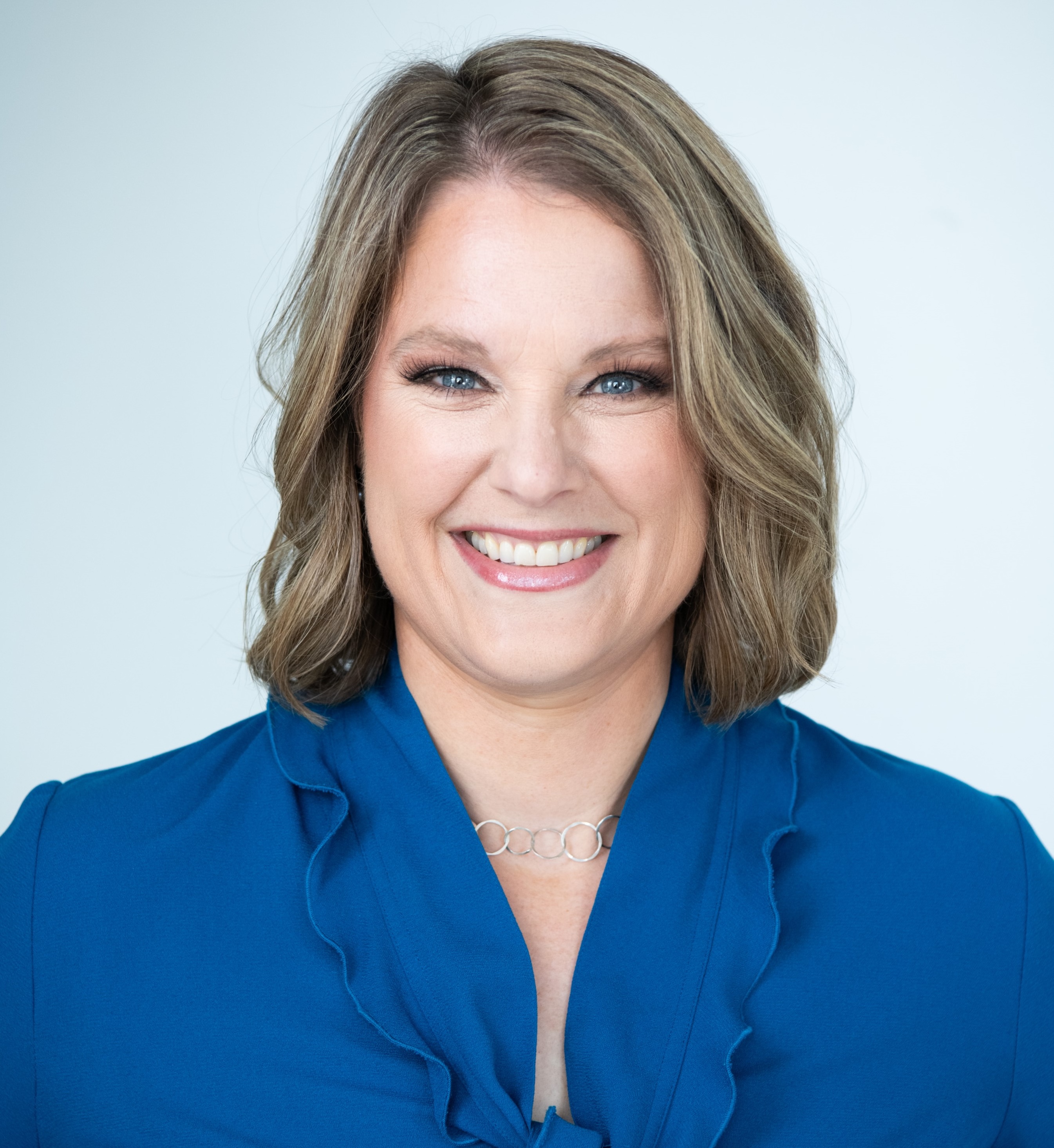
Expert EOS Implementer® at EOS Worldwide
Megan Piper is an Expert EOS Implementer known for leading high-impact virtual EOS sessions for distributed leadership teams. Her specialty is helping companies build high-performing leadership teams.
A former CFO and COO who helped scale a multinational technology company from $3M to $50M+ in revenue, Megan understands firsthand the exhilarating pace and growing complexity of entrepreneurial success. As organizations expand across teams, locations, and time zones, maintaining alignment becomes less about working harder and more about building the right leadership systems.
Today, Megan brings that real-world experience into her work with leadership teams. Across 500+ EOS sessions with 50+ organizations, she helps leaders move from talking about change to actually doing the work. Known for her dynamic and candid facilitation style, she helps teams see their business clearly, tackle the issues that matter most, and move forward with confidence.
Megan believes EOS should serve the leadership team, not the other way around. Every company is unique, and the way they run on EOS should reflect that.
When she's not facilitating EOS sessions, Megan enjoys hiking with her dogs, spending time with family, and exploring the world through international travel.