Marisa Smith: The Psychology Behind Successful EOS Adoption
In this episode of Better Business, Better Life, Debra Chantry-Taylor is joined by Marisa Smith, EOS Implementer and co-author of the new book Rollout, to explore The Psychology Behind Successful EOS Adoption.


In this episode of Better Business, Better Life, Debra Chantry-Taylor is joined by Marisa Smith, EOS Implementer and co-author of the new book Rollout, to explore The Psychology Behind Successful EOS Adoption.
While many leadership teams implement EOS tools, far fewer successfully embed them across the entire organisation. Marisa shares her journey from software entrepreneur to EOS Worldwide marketing director and now implementer, revealing why self-implementation often stalls and why context, patience, and repetition are essential for lasting traction.
Together, Debra and Marisa unpack the four-phase rollout roadmap: prepare, launch, integrate, and sustain. They discuss why the accountability chart and Vision-Traction Organizer are foundational, how leaders must master the tools before teaching them, and why change management is more psychological than procedural. The conversation also dives into the neuroscience of change, the importance of repetition, and the leadership discipline required to reach 100% strong.
If you have ever wondered why EOS works brilliantly in some organisations and fizzles in others, this episode explains the human side behind successful adoption.
CONNECT WITH DEBRA:
___________________________________________
►Debra Chantry-Taylor is a Certified EOS Implementer | Entrepreneurial Leadership & Business Coach | Business Owner
►Connect with Debra: debra@businessaction.com.au
►See how she can help you: https://businessaction.co.nz/
►Claim Your Free E-Book: https://www.businessaction.co.nz/free-e-book/
___________________________________________
► Marisa Smith – LinkedIn: https://www.linkedin.com/in/marisabsmith/
► Website: https://www.marisa-smith.com/
Episode 259 Chapters:
00:00 – Introduction
02:02 – Marisa’s Entrepreneurial Journey
04:59 – Transition to EOS and Becoming an Implementer
07:19 – Challenges and Benefits of Rolling Out EOS
10:58 – The Importance of Context and Preparation
12:26 – Practical Tools and Tips for Rollout
12:43 – The Role of an Implementer
16:20 – The Psychology of EOS
25:17 – The Journey to 100% Strong
32:22 – Final Thoughts and Resources
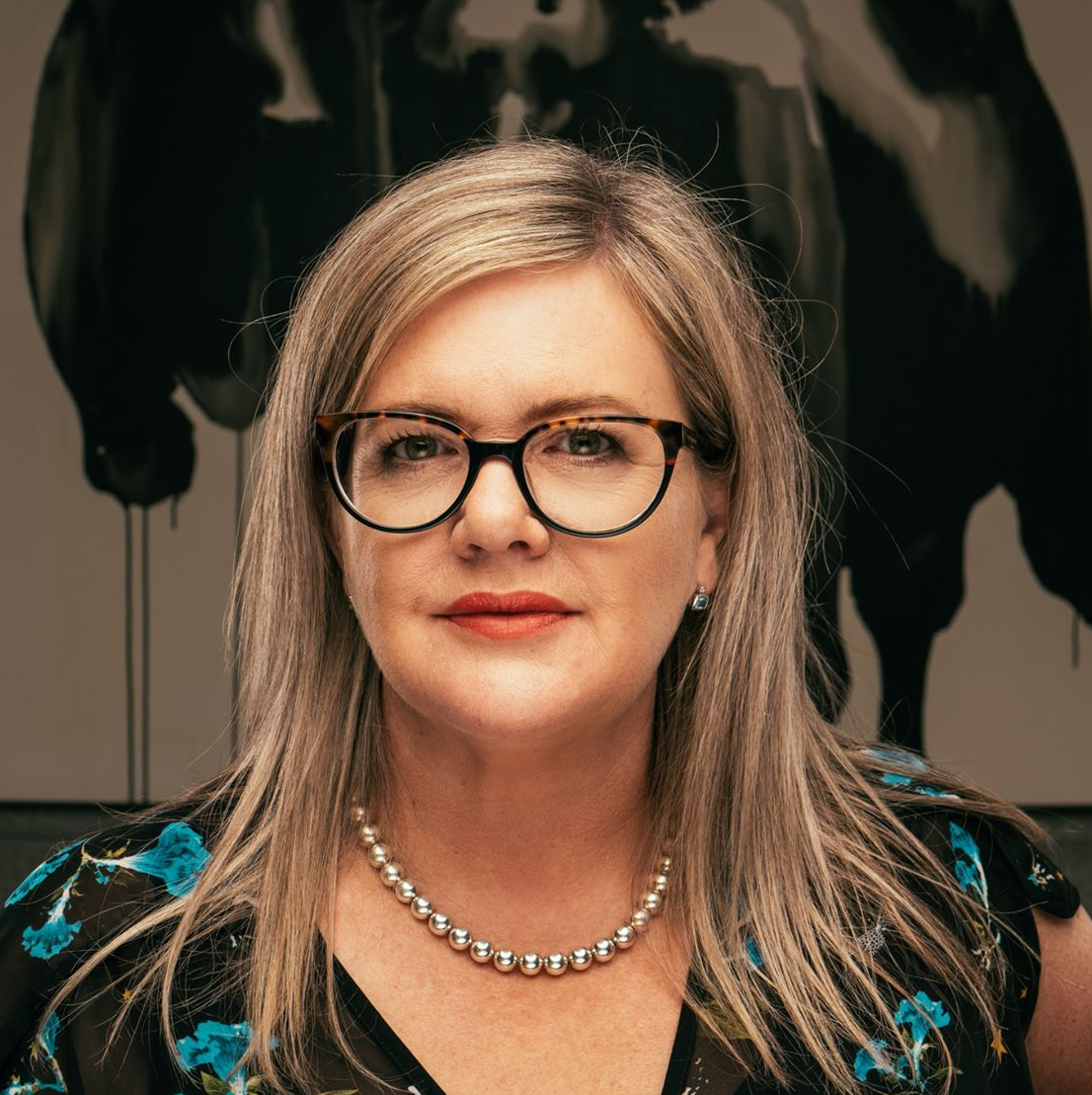
She is based in New Zealand but works with companies around the world.
Her passion is helping Entrepreneurs live their ideal lives & she works with entrepreneurial business owners & their leadership teams to implement EOS (The Entrepreneurial Operating System), helping them strengthen their businesses so that they can live the EOS Life:
- Doing what you love
- With people you love
- Making a huge difference in the world
- Bing compensated appropriately
- With time for other passions
She works with businesses that have 20-250 staff that are privately owned, are looking for growth & may feel that they have hit the ceiling.
Her speciality is uncovering issues & dealing with the elephants in the room in family businesses & professional services (Lawyers, Advertising Agencies, Wealth Managers, Architects, Accountants, Consultants, engineers, Logistics, IT, MSPs etc) - any business that has multiple shareholders & interests & therefore a potentially higher level of complexity.
Let’s work together to solve root problems, lead more effectively & gain Traction® in your business through a simple, proven operating system.
Find out more here - https://www.eosworldwide.com/debra-chantry-taylor
Debra Chantry-Taylor 00:00
Entrepreneurs, they pick up the traction book, they go straight into, oh, cool, I can do a VTO. And they write the VTO. Don't involve anybody in that process. And they're missing one of the most important tools, in my opinion, which is the accountability chart, all
Marisa Smith 00:11
of the US tools. In fact, there is a specific psychology behind them, and there is a reason that they work so well with human brains. The rollout is not an event. It's a journey, right? And I think a lot of times people think it's a TA DA, we've rolled it out, but the rollout takes time, and then you have to keep it rolled out long term, and so it truly is a journey.
Debra Chantry-Taylor 00:38
Welcome to another episode of Better Business, Better Life. I'm your host, Debra Chantry-Taylor, and I'm passionate about helping entrepreneurs lead their ideal lives with creating a better business. I bring guests onto the show to share with you tips and tools and share their experiences of running on EOS and what you can do to actually create this better business. You can lead a better life. And today's guest is really special to see. She ran her own software development company that turned into a marketing agency. She then got employed by as the marketing director for EOS worldwide, back in the days when Gino Wickman and Don Tinney were actually running EOS worldwide, and she has just finished launching a brand new EOS book called rollout. She's going to share with you today how to effectively roll out EOS across your organisation based on the psychology of organisational change. And the book itself is called roll out, get your entire team running on EOS to achieve your vision. So Marissa Smith is the co author of the book rollout. She's also an expert EOS implementer. Hey, welcome so much the show. Marissa, it's lovely to have you here. Really looking forward to our chat about EOS and your new book, of course. Thank you. So I would love, I know a little bit about you, but I would love for you to share your journey with our listeners in terms of your background, how you got to be where you are, how you become an EOS implementer. Just your story.
Marisa Smith 02:02
I started my first business in 2002 so I had worked at the University of Michigan, here in the States, and was doing, you know, computer support and technology and web stuff. You know, it's kind of that, that time, time period where the internet was really, you know, becoming a thing. And so I started a software development company just out of some projects I was doing at the University of Michigan, but it was just me, you know, doing it on my own. But, you know, like many entrepreneurs, you know, when you do good work, people want more from you. And so suddenly I had more work than I knew what to do with, and had to hire my first employee. And it just kind of kind of accidentally grew from there. So I have to say that my entrepreneurial journey was not super intentional in the beginning of my career. I just kind of, you know, a door would open and I would go through it, and you know, opportunities would present themselves, and you know, there we were. And so, you know, 10 years later, I kind of woke up and looked around me. And by then, my company had turned into a marketing firm, because a door had opened, right, and I went through it. And so suddenly I found myself owning a marketing agency and having, you know, 12 employees, and you know, all these families that were, you know, depending on me. And I was working, you know, gosh, it just all the time, right? 5060, hours a week. I, you know, would wake up at four in the morning. I had two kids. I was trying to work before they got up, you know, just, you know, breastfeeding while on conference calls. Just like, crazy, crazy, crazy, craziness. Yes, and so, you know, I, honestly, I just felt kind of trapped by my business, because I had kind of built it around me without this, you know, view of scaling it and thinking about it long term, I just kind of felt like there I there was no way out of that. And so I, you know, was talking to a couple of fellow entrepreneurs about how I felt. And one of them just happened to be somebody who was in the book traction, Rob Dubay, and he and he was a colleague of mine I knew from a peer group that we were in, and he said, you know, you've got to read this book. You need an integrator, you know? And so I bought a copy of the book, and then I put it on my nightstand and didn't open it, and it sat there probably for a year. And then somebody else gave me a copy of the book, and I put it on my nightstand and thought, oh, I probably should read that. I have a couple copies of it now, you know. And so one day I actually read it, and when I read it, I was like, you know, right, that it was like the clouds opened up, and the, you know, angels started singing, and I thought, oh my gosh, why didn't I read this sooner? Right? This is exactly what I was looking for. So, so, like any good entrepreneur, I got halfway through the book, went, downloaded all the tools, and started filling them in without my leadership team
Debra Chantry-Taylor 04:56
the video, right? They all go to the video. Yes, I bet that was the
Marisa Smith 04:59
first door. Exactly, yeah, exactly, exactly. And so I rolled it out to my team in a very haphazard way. And, you know, we got some results, but we just weren't really gaining traction. And so ultimately, we ended up hiring an implementer, and pretty quickly, we did gain traction and started to see results much more quickly with the guide, you know, guidance of a professional. So that was back in 2012 and a little bit later after that, my implementer said, Hey, did you know that EOS is looking for marketing help? And it so happened that I had a marketing agency, and I had become passionate about EOS. And so he introduced me to Gino Wickman, the founder of Eos, and Don Tinney, his business partner, and and I talked to them about implementing marketing strategy for them. And so they hired me as the marketing director of Eos in 2014 so I sat on the leadership team at EOS for about four years. It was in the early, early days of Eos Worldwide, there was, you know, no full time employees. I think back then, we had about 80 implementers worldwide. And I think there was, you know, one or two implementers outside of the US. And so I helped put the that marketing strategy and the marketing engine in place over about four year period. And about halfway into that journey, I realised I was spending all of my time talking to people about EOS instead of about marketing. I had developed more of a passion for EOS than than I had for marketing. And so I decided to become an implementer in 2016 and so I started up my implementer practice. I kind of ramped down my involvement in my marketing agency. I got out of the marketing seat at EOS worldwide, and I have been a full time EOS implementer since about 2018 so, you know, 10 years as an implementer, but really eight years full time as an implementer. And so that's all, that's all I do now is, is implement with companies so
Debra Chantry-Taylor 07:06
and so you really were, at the beginning days with Gino and Don, that is fantastic, yeah,
Marisa Smith 07:11
Gino was our implementer and Don was the integrator. Yep, back then, so Okay,
Debra Chantry-Taylor 07:16
and now you're an expert implementer, of course, after all that experience, yeah, and you've just written an EOS book called rollout, which we're going to explore a little bit more, because I know that I've seen exactly what you described with entrepreneurs. Now they pick up the traction book, they go straight into cool, I can do a VTO, and they write the VTO. Don't involve anybody in that process. And they're missing one of the most important tools, in my opinion, which is the accountability chart, which actually drives everything. It's the backbone of Eos. And then, yeah, it's like the questions we get asked as implementers all the time is, you know, we've got the leadership team on board. How do we roll it out to the rest of the organisation? And that's what this book is all about.
Marisa Smith 07:54
Yeah, a lot of times we see it kind of get, get stuck at the leadership team level, you know. So I wrote the book with a co author, Beth Fahey is who is also an expert implementer. And, you know, we both, we both reflected that we either see people, you know, roll out too fast because like, like I had right and like she had, we got so excited that we just kind of go, ta da, right, we're doing this, and everyone's like, what are you doing right? Or we see clients go so slow because they're worried about how people are going to react, or they don't totally understand why everybody needs the tools. And you know, they're maybe they're not sure that people are going to buy in or be interested or find them useful, and so they hesitate, but then they're frustrated because they're not gaining traction. And, you know, everybody in the company is not on board, and they, you know, they can't figure out why, right? So we wanted to help people kind of find a happy medium there, you know, have a plan, right? So that you're not just haphazardly, you know, rolling things out, but not having a legible plan that you're, you know, waiting for perfection, right? And then you're just never getting the results that you want. So, so that's that was a lot of the reason why we, we wrote the book to just give people a roadmap so that they understood what they were about to get into and had a clear path for what the steps could be, and then customise it for them. Because every company is a little bit different, as you know.
Debra Chantry-Taylor 09:20
So, yeah, and that's the thing about it's, I'm guessing it's like EOS. It's a framework, right? It's not telling it's not cookie cutter, it's not telling you what to do. It's just, here's the framework, here's and the way that you fill it out is very much up to you. Okay, so what was it like writing a book? I'm quite interested to know.
Marisa Smith 09:38
Oh, boy, you know, it's funny. We've been joking around that it's very much like having a baby. The fun part is at the beginning, and by the time you are towards the end, you are like, Oh my gosh, just get it out of me, right? And so that's kind of how we felt for the last you know, just all the details, right? Getting it out. But we're very happy at a 50. Actually launched on Amazon today, and so we're very excited that we now have our beautiful baby that we can show it to people, and everybody can hopefully see how cute it is and all the work that we put into it. So, yeah, perfect.
Debra Chantry-Taylor 10:15
And I'm guessing that in writing this book, you've had to revisit, you know, some of the highs and some of the lows, some of the things that didn't work, some of the things that did work, and you've alluded to this, if people go either too fast or too slow, what do you think is the biggest mistake people make when it comes to rolling out?
Marisa Smith 10:30
I think one of the things that people do is they kind of underestimate what it's like to have people embrace change in an organisation, right? So they sometimes underestimate the amount of of time and patience and repetition that they need to really get people to embrace the tools throughout the process. And so, you know, just like anything that that you learn when you get to a certain stage of mastery, you kind of forget how hard it was when you were first learning it. And I sometimes, I think that leadership teams sometimes struggle with that too. They they don't necessarily see how they have to shift from being a student of Eos to being a teacher of Eos. And it is a very different skill set to go from learning from your implementer or learning from the books and and things like that, practising yourself, to then teaching somebody else how to do that. And of course, EOS is that is the model, right? Is that the leadership team masters the tools first and then rolls them out to the rest of the organisation. But that takes time and repetition and explanation and connecting the dots and and all of that. And not I'm not sure everybody completely understands what that needs to look like and how difficult it can be.
Debra Chantry-Taylor 11:53
Sometimes it is interesting, because I know that within the EOS community, we talk about it takes seven times to hear it for the first time. But there's actually some research that was done about 18 months ago that actually says it's about 31 times. Now, with everything that's going on with technology and tools and things, it's 31 times. I used to joke with people and say, hey, look, you know, it takes seven times if you told them twice, you got five more times to go. Now it's like it takes 31 times if you told them twice, you have still got 29 more times. You've actually got to get this message out there before they fully understand it. Of course, they're going to take snippets from it, but it's not just a once over and it's done. Yeah, yeah. Okay. And so I'd love to hear a little bit about in terms of you said you used an implementer in your own business to because you tried it self, implementation. It didn't work quite so well. Give us a little bit about what that was like, the change between going from doing it on your own to actually using somebody to help
Marisa Smith 12:49
you, yeah. Well, it's interesting, because, you know, as an implementer, now I see this happen sometimes with my clients as well, right? So, you know the mechanics of Eos. You know, EOS is simple, but it's not always easy. And I think for me, what I discovered was that I did not realise that my team was holding back when I was their implementer in my own company. So I would ask them a question, and the my owner hat was firmly on my head when they looked at me, and so they would hold back and not really say what they really thought. And I did not realise that until we had the implementer come in and ask basically the same questions I had asked, and suddenly everybody had a lot to say. And I thought like, why shouldn't you say anything earlier? You know? Well, we didn't want to hurt your feelings, or we didn't, you know, and so I think we went slower than we could have if, because we tried to self implement first. I think, you know, we, once we got the implementer in there, it was just like the floodgates opened up, and all of a sudden, all of these issues that we had and the lack of alignment, you know, we we show up, or we shine the light right on it, you know. And suddenly, then, now, once you know what your issues are, you can solve them, but if those issues are below the surface, you can't solve them. So I think we had a lot of issues we I didn't even know that we had. And once we brought the implementer in, and, you know, we're able to have those open and honest discussions, it made a huge difference. And, you know, like anything else, I just because I had only read part of the book at the time, I thought I knew how to use them. And there are some nuances as we as I now know Right. There are nuances to to the tools and why they are the way they are. And, you know, I had over customised some things and accidentally broken them, you know, without realising that that was the impact I was having and and things like that. So once Mike was our code system, was our implementer, and he kind of whipped me into shape. And now I understand, yeah, now I understand why things are the way they are. And, you know, as you and I. Were discussing earlier. It EOS is definitely very customizable, right? It is. It's a framework, and it is meant to adapt to different businesses. But there are certain things where you know they are the way they are, because you know they've been proven hundreds of 1000s of times to work that way. And so if you don't do it that way, it won't work as well. And so knowing what you can customise and what you shouldn't is, you know, part of the art, and a lot you know implementers. Implementers know that because they've been in the room hundreds of times with with different companies and a self implementer, you typically only done it, you know, with yourself, right? And so you don't know, you don't know what you don't know. You are, as we like to say in the book, you are unconsciously incompetent.
Debra Chantry-Taylor 15:45
Yes, indeed,
Marisa Smith 15:47
you don't know what you don't know. Yeah, you must have had
Debra Chantry-Taylor 15:49
similar experiences like I often sit in on level 10 meetings, if I did one just recently with a with a client that graduated a few years ago, but they asked me to come back in because they were struggling again. And I said, Okay, I'll come and observe level 10 meeting. Let's see what's going on. And I sat there, and I sit there in silence for the whole meeting. I just observed with the intention of being able to give them feedback. And as I was sitting there, thinking, this isn't a level 10 meeting that they had changed so much of what the level 10 meeting was meant to be, they'd customised it, and they'd taken this out, and they weren't dropping things down. They were it was like, it was like, it was really fascinating. And it's like, when we were actually sort of same sort of thing, as you said, it's been proven to work. There was a method in its madness. There's a psychology of philosophy behind it. Follow the process, you get the results. And once I pointed them out, they were like, oh yeah, we forgot. That's what a level 10 meeting was like, because you used to customise it so much. It becomes the normal way of doing it.
Marisa Smith 16:39
It's interesting. You just mentioned psychology, so I'm not sure if you're aware, but I also run a workshop called the psychology of Eos that I put together with my mother, who is a psychologist. And I put that workshop together with her, because, you know, in the last 10 years, I would sometimes, you know, debrief after a session. And, you know, say exactly that, you know, I just observed this level 10. And here's what happened. And, and she would tell me, Well, you know, the reason that that that doesn't work is because of, you know, XYZ. And she would explain kind of the psychological principle behind it, right? And so I realised that I was internalising a lot of information that she was giving me, that not all implementers have access to, and so we put that workshop together to try to help implementers understand a little bit more about the psychology of what's going on in people's brains when they're implementing EOS. And you know a lot of what you're talking about with the level 10, and you know all of the EOS tools, in fact, you know, there is a specific psychology behind them, and there is a reason that they work so well with human brains, you know. So, you know, it's when you understand what's happening underneath. It's less tempting to mess with it.
Debra Chantry-Taylor 17:53
I love it. Oh, that must be fun to work with your mom on that as well. It is fun.
Marisa Smith 17:57
It is fun. And so we put some of the concepts in the book. In chapter three, we have a book called Change is hard, or why change is hard. And we talk a little bit about, you know, the the neuroscience of what's going on in people's brains when you're asking them to change their beliefs and their behaviour, and why patience and repetition and space learning and all of those things. You know, that's the most effective way to to implement change in a large in a team.
Debra Chantry-Taylor 18:22
Hey, look, you've been implementing for a lot longer than I have. I certainly have, I have favourite EOS tools at different times, and depending, I guess, on who I'm working with what. But do you have a favourite EOS tool in your years that, I mean, they're all designed to work together, so it's hard to spit them out, but sometimes you just have these little aha moments and kind of realise, I
Marisa Smith 18:41
would say that, you know, just in writing the book, I definitely developed an even deeper love for the vision traction organiser, and the elegance of it, and the different how the different pieces and parts work together to just, you know, crystallise what the vision is for the organisation. And then you know how powerful it can be when you actually say, bring it to life. You know, if it's not just words on a page that you look at once a quarter and you stick back, you know, in your drawer, but if you actually use the core values for, you know, identifying the right people and the hiring and the firing, the reviewing, the writing and recognising, if you use your core focus when you're making decisions, if you inspire people with a 10 year target, if you if the whole company understands the marketing strategy, not just the marketing and sales team, like it's just incredibly powerful. And so I think I've kind of fallen back in love with the VTO, not that I was ever out of love with it, but more deeply in love with the PTO, just through, the process of writing this book, for sure. So, yeah, it's very, yeah. It's very powerful.
Debra Chantry-Taylor 19:46
It is. It is indeed, yeah. And I think it's, you know, it's, again, just going back to what you said around when you are self implementing, you don't necessarily, you can learn all this stuff online. You can get an understanding of but when you've got an implementer in the room with. You who's able to help you understand a lot more about the role that that plays, that can be helpful. I think the other thing that I think was really interesting is that, you know, when you're trying to self implement, and we've, we've self implemented in business as well, but when you're trying to self implement, you're trying to be the owner, you're trying to be the facilitator, you're trying to also be a member of the team and actually participate. And we know that the brain cannot easily play three roles at the same time. And so I've had feedback from people who brought me in after self implementing is that actually it's great that they can finally sit back and participate in it, rather than having to worry about all the other things that come with it.
Marisa Smith 20:37
Exactly right? I also think that, you know, now, just like I said, you know, my team couldn't necessarily open up to me because they saw me wearing the owner's hat, I am fairly certain that I may have asked questions in a way that led people to agree with me as well, without necessarily intending to do that. But you just can't help but have your own lens right? When you're when you're trying to facilitate your own sessions, right? And so if you have an idea of where you want the discussion to go, and you are also facilitating the session, it's you know you're going to lead the discussion that way, and it's going to be pretty hard for people to say what they really want to say, and for the discussion to go where maybe it needs to go. And so having that objective person running those sessions, I think it's a little bit more of an organic experience. And, you know, it's probably more authentic than if you as the entrepreneur are trying to run those sessions yourself or any member of the leadership team, you just can't help but kind of, you know, colour, what you're, what you're asking, and how you're, how you're leading, even if it's unintentional.
Debra Chantry-Taylor 21:45
So it's absolutely true. And of course, some of us are, are definitely quite persuasive. I always say I always get what I wanted, and maybe we don't. We don't necessarily go in with that intention, but we are just naturally, yeah, we have our things that we want to do.
Marisa Smith 22:00
Yeah, of course, everybody agrees with me, right? Yes,
Debra Chantry-Taylor 22:03
yeah, absolutely. Oh, beautiful. Okay, so I'm just looking, I'm looking at you at the book on Amazon right now. We'll make sure there's obviously a link to it. Unfortunately, I cannot get it on my Kindle until the end of February, but I know that can get the physical book.
Marisa Smith 22:17
It should be sooner than that. It's just they put, like, a default date on there. So hopefully, like in the next two weeks, hopefully in the next two weeks, you'll get the Kindle version, beautiful.
Debra Chantry-Taylor 22:25
Okay, so just reading, you know what the things here, and there was three things that I got on there, they say, cascade your vision and tools throughout every level the company. Overcome that resistance to change, to get buy in and keep momentum alive, and build accountability and create alignment, so your entire team works in harmony. So let's, let's explore a little bit of each of those, and just give some a couple of little practical tools, if we can, so cascading your vision and tools throughout every level the company that you know, it's always very easy, the leadership team, you know, we work with the leadership team. We can, we can pull that all together in the VTO, but it is difficult to kind of go, how does this now work throughout the rest of the organisation? Tips and Tools, yeah, just a couple of little things without giving away everything. Yeah, I'd
Marisa Smith 23:05
say two different things to to think about when you are about to cascade out. One is that before you just start rolling the tools out, you really do need to kind of launch, meaning you need to introduce the concept of Eos, right? Introduce the concept of the five foundational tools, introduce your vision. And doing that without context can create confusion, and so sometimes people just start presenting the content, right? Here are our core values. Here's our VTO. Here's our accountability chart without saying a VTO is a two page tool that crystallises the answers to eight questions, right? So and for values define our culture. So they're they're teaching the what without the why. And so we make a fairly large point in the book that it's important to share the context and the why and connect the dots for people, so that people understand, you know, understand the what in that context. So that's, that's the first thing is really just making sure that we're preparing people for that, right, and that you have a plan for how you're going to, how you're going to introduce and launch, you know, your vision in EOS. And then once you have introduced that, then you can start actually integrating the tools into the rest of the company and actually putting them into use, you know, so starting to run level 10s, and introducing rocks and scorecards. But if you just do all of that all at once, it can be a little bit, you know, like drinking from a fire hose, like we say here in the US. So, so we introduce a four phase framework that we call the rollout roadmap, which is first you have to prepare, which means you have to make sure you as a leadership team are really ready to do this. You know, are you really aligned? Do you have you really mastered the tools, or are you kind of still a little bumpy with your own level 10s, right? Do you really want to start teaching other people how to run them if you're not so good at. Of it, right? Yeah. So are you really prepared, right? And then, and do you have a plan, right? So do you know how you're going to do this, right? Once you are you've done that, then you can go ahead and launch and introduce the tools in the OS, and then you go ahead and start integrating. And then, once all of that happens, which takes a couple of years right to get the EOS tools fully integrated through the company. Then there's a final phase that a lot of people don't think about, which is what we're calling sustainability, right? So that once you hit 80% strong and the six key components, you have to keep it there, right? And that doesn't it's not just magical, right? It takes intention and commitment to sustain 80% strong in the long term, right? So if you're really going to run on Eos, you know, forever, you have to make a commitment to do that. And I think sometimes people think, Oh, we're done, you know, we got to 80% strong. It's just going to stay there, right? But just like, you know, if you lose 20 pounds and then you stop eating well and stop working out, the weights going to creep back on, you're right. The same thing happens with your Eos implementation. You can kind of fall off the waggon, and things start to drift, and then suddenly, you know, you're not getting the results that you were getting previously. So perfect. That might have been more than two tips that might
Debra Chantry-Taylor 26:14
have been great, because you get, you know, you get the process. And, of course, the books that go into a lot more detail about each of those things, but I think it is really, really important. I think one of the things think one of the things I really picked up on and I can resonate with is, I suppose, as a leadership team, by the time you're ready to roll out, you've been doing this for quite some time, so all the language, all the things you're talking about, feels completely natural to you, but it's completely double dutch to people, unless you've actually brought them on that journey. And given, as you said, the context around what that actually means. And I guess there's also a little bit of resistance, because if most entrepreneurs have tried many, many different things in the past too, and so they're normal, it's normal to come in and throw new things around people going, Oh, here we go again. Another great idea. Yeah, yeah.
Marisa Smith 26:56
We talked about that in the book. You know, change fatigue, right? Some organisations have changed fatigue because of that flavour of the month. You know, we tried a little bit of this, a little bit of this. We did this for three months and right? And so when EOS comes in, it's natural for the organisations like that to think, Oh, this is going to pass, right? Here comes another thing, right? And so you have to show over and over and over again that this is not going away, and show your commitment. And then after you do that a few times, people start to pay attention. But you can't expect them to just embrace it out of the gate, if that's the history.
Debra Chantry-Taylor 27:29
And again, I've seen it so many times where the entrepreneur gets very excited by it, and the leadership team, to some extent, where they get very excited and they want to roll it out really quickly, but you've got to, as you said, you want to master these things yourself, because if you haven't really nailed it, you're just passing those bad habits on to everybody else in the organisation. And then, of course, the tool will get blamed, rather than the
Marisa Smith 27:51
Yeah, then it's an EOS problem. And it's frequently not an EOS problem. It's a rollout problem, you know, a mastery problem.
Debra Chantry-Taylor 27:57
So, so if you get, if you get roll out, right? And you, you know, it's not just a once off and done, but get the process right, and you get people truly engaged. You've got that accountability. What's the end results? What can people look forward to after a great rollout, right?
Marisa Smith 28:12
Well, this is where it all ties together. To your the theme of your podcast, step is, you know, the way we were framing this is that, you know, you're on a journey to 100% strong, right? And all the six key components, and you know, 100% strong is kind of the EOS life, right? So when you get to, you know, 80 to 100% strong, and all six key components, you know your vision is truly shared by all, then that is when you are, you know, doing what you love with people you love, making a big impact, being appropriately compensated, and having time for other passions. So it, it all ties together. And so again, you know, the rollout is not an event. It's a journey, right? And I think a lot of times, people think it's a TA DA, we've rolled it out, but you're, you have to you roll it out. The rollout takes time, and then you have to keep it rolled out long term. And so it truly is a journey. And so the journey to 100% strong is your rollout journey. They are one in the same. And so you know, when you get into that 80% strong, or better, your Eos life should begin to appear, but then again, you have to maintain your commitment, or else you can start to drift from the path, and then those things start to fade away again. So it's a long it's a long term commitment.
Debra Chantry-Taylor 29:31
I was actually just talking to another podcast guest who was describing exactly what it had done for his life, in terms of his he can confidently say now that nothing in the business requires his input, as in, he doesn't have to be involved in anything. It runs without him. He's got the right people in the right seats. They've got their systems and processes. Everything just runs smoothly, which doesn't mean he doesn't work. He still chooses to work, but he chooses to work on the stuff that he loves and that he's great at, and does not tied to the business anymore.
Marisa Smith 30:00
Yeah, exactly, exactly, you know, yes. And I think what I sometimes see then is when, when it you're living that EOS life, then sometimes you can take it for granted a bit as well, but it's like I said, it's just going to continue on. And so you may bring a new leader in, and they might have their own ideas about what worked for them at a different company, and suddenly they're here running a level 10.5 media right, and things are starting to shift a little bit right. And so while yes, the entrepreneur you know, is living their EOS life, they do still need to kind of keep an eye right on things, or the integrator needs to right, so that we make sure that we don't start to drift. And that's why it's so important to continue to do the organisational checkup every single year right, to continue to follow the meeting pulse. Because if you just think you're going to set it and forget it and it is just going to stay that way, magically, you know, you may find yourself back in the day to day when you don't want to, right? So it's better to just periodically check in and make sure that those things are happening, versus getting too far afield. And then, you know, you're way off the path and have to, you know, spend a lot of effort coming back on. So, exactly right.
Debra Chantry-Taylor 31:15
Okay, so is, in terms of, you know, Eos, one of the things I love about the EOS community and the EOS worldwide is there's so many tools out there that can help you on your journey, and so many books and things with the new book. Do you think there's a good time to read it, like, when is the best time to read it? Does it follow naturally after a certain book? Does it? Is it at a certain point in your journey?
Marisa Smith 31:34
Yeah, so we really, we wrote it with people in mind who were at the end of you know, Vision building day two, which is typically when people are beginning to think about rolling out EOS to the rest of the company, right? They've their foundational tools are fairly strong, right? And they're just starting to think about about rolling it out. That's the primary use case that said, we also think it's going to be helpful as a reference, you know, throughout the journey. So even after you've rolled it out, you know, if you're running into challenges, or if you may have rolled out and you're still not getting your 60% on the organisational checkup, and you're trying to figure out how to get it, you know, up to that 80% range. So, you know, we tried to write it in a way that was useful to anybody at any stage of the journey. But primarily, you know, the use case is people who are trying to figure out, Okay, I've heard about this rollout thing, right? How do I, how do I do it, right? And so just giving people the the roadmap and kind of that phased approach, and there's a lot of stories in the book too. So people can draw inspiration from all the different examples and stories that we put in the book. There's a lot of examples in terms of, you know, here's some sample talking points that you could use to share your VTO. So we tried to, you know, put, put practical advice in the book as well, without being too prescriptive, because, again, every company is different, and so people need to customise, customise their rollouts for them, and go at the pace that makes sense for them.
Debra Chantry-Taylor 33:09
But people do love having examples. I find that even when we're doing work, you know, through the VTO and whatnot, it's like starting with a blank piece of paper can be tough. Starting with something that sparks some ideas can be great. And I have, I don't know if you are seeing this in your sessions, but I got a lot of people just want to jump straight to AI. It's like, no, AI is a great tool for maybe massaging these things a little bit, but it's not. It can't do the thinking for you exactly. Yeah.
Marisa Smith 33:36
We also have a one page rollout tracker tool that we created as well. That's a free download that'll be available on the website. It's also in the book. And so that tracker really outlines the four phases that I talked about with also some you know, little check boxes of so here's what you know being prepared looks like. Here's what launch can look like. Here's what it looks like when you have fully integrated the tools. Here's what sustainability looks like. So as people are trying to think about, you know, what does that look like in practicality, they can track here's, you know, here's where we are going, here's what we've done, and then the organisational checkup is really the tool to use to see, is it working? So those two tools really work together, and we design them that way, so that is beautiful.
Debra Chantry-Taylor 34:21
Okay, it sounds like it can't wait to get my copy on my Kindle. I'm also going to buy a whole bunch of them. I tend to give out books to all of my clients, but I also I keep a book of all the Eos, sorry, I keep a library of all the EOS books to kind of give out to people in it as well. So if anybody wants to get hold of a copy, they're based in Australia or New Zealand, drop your line. I'll happily get one sent out to you. So, how is this going to change the way that you teach your Eos with your clients? Do you think so
Marisa Smith 34:48
I've already started to change a little bit, just from the standpoint of, you know, as we wrote the book, I really started to see all of the different connections to, you know, where we are sometimes. But we're talking about rollout implicitly, but not explicitly in the process. And so, you know, really tying together the concept of rollout in the first quarterly when we're pulling it all together, right? Talking about it when we review the organisational checkup at the annual planning, you know, and if they're not quite an 80% strong, we can go back to talking about rollout. And have you really rolled these things out to the rest of the company? So just, you know, kind of tying those things together. And I've, I've been emphasising more in my teaching how to prepare my clients to be good teachers of Eos, so preparing them to to explain the tools, to giving them some talking points for the context of the tools, so that everybody's doing it in a similar way using similar language. And so my clients are saying that that has been helpful to them to just have we have a little equation of context plus content equals clarity and comprehension. So 4c there, right? But reminding them that we need the context and the content, those two things together, will provide that clarity and comprehension. And so just you know, I've been explaining that and repeating that a lot, especially during VTL review and quarterlies and annuals, and having them do some of that, you know, instead of me doing it for them, so that they have a chance to practice, you know, in that environment, versus practising in front of their own their team, right in a departmental meeting or something. So, so that's been been interesting to to evolve my teachings and just go a little deeper with it, you know, a little bit deeper with it, with my clients. So, so that's how I I think it's gonna impact my clients. And then, you know, because
Debra Chantry-Taylor 36:52
I think it's true. I mean, I think that there is definitely a skill to to bringing people on the journey. And if you Yeah, they people need to know and be taught and be lead, led and managed in terms of how to do that and how to be a good teacher, and how to bring those people on the journey with them. Yeah, I'm very excited. I'm very pleased for you. I think it's awesome that it's come out. We spoke with Beth on the podcast a few weeks ago, and I know that she's also super excited about it too. So any last tips and tools before we kind of wrap up? Oh gosh, we're going to make sure that the link to the book is in the podcast notes that people can get hold of it. So obviously, it's available on Amazon and other places. You can also get it off for your Kindle over the next couple of weeks.
Marisa Smith 37:30
And there will be an Audi audio book version as well that will be out in a couple of weeks too. So Beth and I wrote or read our own audio book, which is a another experience that we got to have. Yes, yes. So that was fun. And Gino read his forward, so his his voice will come out of your speakers too. So yeah, that was fun too. No. I mean, I think there's going to be a lot of great tools on the website. So we have a resource centre there. There's an ebook that is a reflection guide. So at the end of every chapter of the book, there are reflection questions, and so we summarise all those questions into a downloadable PDF, so you can actually, you know, write on it and do your own reflection as you read the book. There's a troubleshooting guide that's a downloadable PDF as well. There's the one page tracker. We're going to have some context talking points, so we'll continue to, you know, add to that resource centre over time. As people, you know, ask us for things. We we love to create things. So we're going to try to provide resources that that people will find actually practically useful in their in their own rollout journey. So that's, that's the plan.
Debra Chantry-Taylor 38:33
Sounds super comprehensive, and certainly absolutely no excuses.
Marisa Smith 38:37
Exactly right.
Debra Chantry-Taylor 38:40
Yeah, hey. Well, Marissa, again, congratulations. Really looking forward to reading it. I think you've done a great job. Really excited about what they are the difference this can make, because we all know that in order to get EOS working properly in the business, it has to be embraced by everybody, and everybody has to be on board with it. So this is going to be a fantastic tool for that. And thank you so much for spending your time with me. I know it's late in the evening for you, so I really appreciate that, and I'll look forward to seeing you in the us very soon. Excellent. Thanks for having me done. Thank you.

EOS Implementer | Entrepreneurial Leadership Coach | Workshop Facilitator | Keynote Speaker | Author | Business Coach
Debra Chantry-Taylor is a Professional EOS Implementer & licence holder for EOS Worldwide.
As a speaker Debra brings a room to life with her unique energy and experience from a management & leadership career spanning over 25 years. As a podcast guest she brings an infectious energy and desire to share her knowledge and experience.
Someone that has both lived the high life, finding huge success with large privately owned companies, and the low life – having lost it all, not once but twice, in what she describes as some spectacular business train wrecks. And having had to put one of her businesses into receivership, she knows what it is like to constantly be awake at 2am, worrying about finances & staff.
Debra now uses these experiences, along with her formal qualifications in leadership, business administration & EOS, to help Entrepreneurial Business Owners lead their best lives. She’s been there and done that and now it’s time to help people do what they love, with people they love, while making a huge difference, being compensated appropriately & with time to pursue other passions.
Debra can truly transform an organisation, and that’s what gets leaders excited about when they’re in the same room as her. Her engaging keynotes and workshops help entrepreneurial business owners, and their leadership teams focus on solving the issues that keep them down, hold them back and tick them off.
As an EOS implementer, Debra is committed to helping leaders to get what they want and live a better life through creating a bet…Read More
Expert EOS Implementer and Author
Marisa has always been obsessed with business. While other little kids played with G.I. Joe and Barbie, she created imaginary companies in her basement and spent her allowance on office supplies.
Marisa brought her entrepreneurial dreams to fruition in 2002 when she founded The Whole Brain Group, which grew into a full-service inbound marketing agency serving clients around the world. Ten years into her journey, she realized her company had “hit the ceiling” and could not scale without changing how it operated. Within two years of implementing EOS® in her firm, Marisa delegated day-to-day operations to her Integrator to pursue an extraordinary opportunity to become Director of Marketing for EOS Worldwide.
During her four years on the EOS Worldwide Leadership Team, she transformed the company’s marketing efforts, implementing a lead-generation strategy that helped it grow by more than 400%. Her passion for teaching people about EOS inspired Marisa to become an EOS Implementer and dedicate herself to helping other entrepreneurs break through the ceiling, accelerate their growth, improve profitability, and have more fun.
As an Expert EOS Implementer™, Marisa spends her time teaching, coaching, and facilitating sessions with clients in her dedicated EOS session space in Ann Arbor, Michigan. Marisa is also the co-author of ROLLOUT: Get Your Entire Team Running on EOS® to Achieve Your Vision. Learn more at rolloutbook.com.


