Haraya Del Rosario: From Corporate Career to EOS Driven Entrepreneur


In this episode of Better Business, Better Life, Debra Chantry-Taylor speaks with Haraya Del Rosario August about what it means to become an EOS Driven Entrepreneur.
Haraya shares her journey from the corporate world into entrepreneurship and how implementing EOS helped her scale her business from 13 to more than 50 employees in just two years. She explains how clarity, accountability, and strong leadership structures transformed the way her company operated and allowed her to step out of the day-to-day operations.
The conversation explores the power of the accountability chart, the challenge many founders face when transitioning from operational roles into strategic leadership, and why building strong leadership teams is essential for sustainable growth. Haraya also introduces her new book, The 90-Day Leadership Field Manual, designed to help first-time leaders build confidence, structure, and clarity in their roles.
Haraya and Debra also discuss the importance of prioritising health, creating supportive leadership environments, and building communities that allow entrepreneurs and leadership teams to grow together. Haraya shares her vision for expanding EOS communities across Southeast Asia and supporting more leaders on their journey.
If you want to understand what it truly means to operate as an EOS Driven Entrepreneur, this episode offers powerful insights on clarity, leadership development, and scaling a business with the right systems in place.
CONNECT WITH DEBRA:
___________________________________________
►Debra Chantry-Taylor is a Certified EOS Implementer | Entrepreneurial Leadership & Business Coach | Business Owner
►Connect with Debra: debra@businessaction.com.au
►See how she can help you: https://businessaction.co.nz/
►Claim Your Free E-Book: https://www.businessaction.co.nz/free-e-book/
___________________________________________
GUEST’s DETAILS:
► Haraya Del Rosario – LinkedIn: https://www.linkedin.com/in/iadelrosario/
► Website – Satori: https://teamsatori.asia/
Episode 262 Chapters:
00:00 – Introduction
00:42 – Journey to Entrepreneurship and EOS Implementation
10:26 – Discovering EOS and Scaling the Business
10:51 – The Impact of Accountability Charts
29:52 – Challenges and Growth in Leadership
35:05 – The Role of Visionaries and Strategy
37:40 – Personal Growth and Professional Fulfilment
37:51 – The Science of Scaling and Personal Development
39:58 – Supporting New Leaders and Building Communities
40:47 – The Importance of Clarity and Health First
44:41 – Future Plans and Exciting Announcements
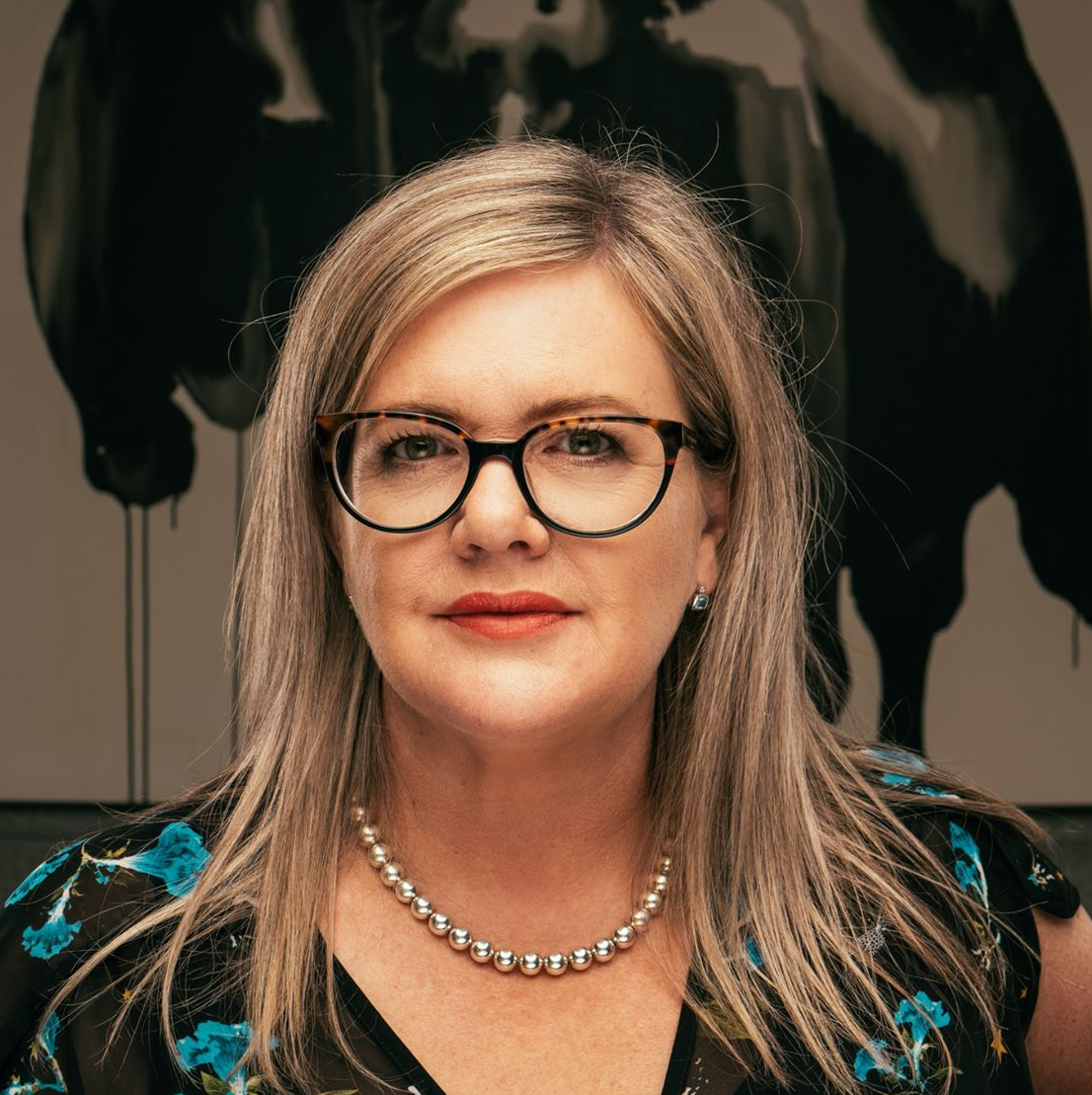
She is based in New Zealand but works with companies around the world.
Her passion is helping Entrepreneurs live their ideal lives & she works with entrepreneurial business owners & their leadership teams to implement EOS (The Entrepreneurial Operating System), helping them strengthen their businesses so that they can live the EOS Life:
- Doing what you love
- With people you love
- Making a huge difference in the world
- Bing compensated appropriately
- With time for other passions
She works with businesses that have 20-250 staff that are privately owned, are looking for growth & may feel that they have hit the ceiling.
Her speciality is uncovering issues & dealing with the elephants in the room in family businesses & professional services (Lawyers, Advertising Agencies, Wealth Managers, Architects, Accountants, Consultants, engineers, Logistics, IT, MSPs etc) - any business that has multiple shareholders & interests & therefore a potentially higher level of complexity.
Let’s work together to solve root problems, lead more effectively & gain Traction® in your business through a simple, proven operating system.
Find out more here - https://www.eosworldwide.com/debra-chantry-taylor
Haraya Del Rosario 00:00
I realised that I had an idea of what I needed to do, and it was really not what I wanted to do. And the more that I worked with a team and opened myself up to the idea that maybe I'm not the best person to do all of these things that they could actually do as a team, what needed to be done better than me, somebody handed me the book traction, oh my gosh, as I was going through it like this might actually work. It's simple. It's clear I know exactly what to do. So I use traction. I use EOS in my business. Gosh, I scaled it from 13 people to maybe over 50 people in a no less than two years.
Debra Chantry-Taylor 00:42
Hello and welcome to another episode of Better Business, Better Life. I'm your host, Debra Chantry-Taylor, and I'm here to help you create a better business that you can have a better life. I bring my guests onto the show to help share their experiences with Eos, the Entrepreneurial Operating System, but also to share their highs and lows that they've gone through in building their own business. And today's guest is really exciting. She's a first generation entrepreneur. She started a handful of businesses, and she's built, scaled and exited one and is currently working on the other three. To do that, she learned about traction through the entrepreneurs organisation EO, and once she read that book and embraced it, she scaled from 13 people to over 50 people in less than two years. Today, she's going to share with you what she thinks is some of the key things you need to have as an owner in order to let go of your business, how you can bring and train and lead your leadership team from the ground up, and also how you can create clarity in your business as well. I'd like to introduce you to Ia de Rosario August, who is based in the Philippines. She is an expert EOS implementer, and as I said, she is also a business owner that has scaled and exited and still has multiple business interests herself. Welcome to the show. Ia, it's so fabulous to have you here on the other end of microphone, where I can actually really grill you and ask you questions about what you've been up to. So thank you for joining us. Thank you
Haraya Del Rosario 02:13
for inviting me. Debra, this is so exciting. It's so nice to see you on a Saturday morning.
Debra Chantry-Taylor 02:18
Yeah, it's beautiful to see you, too. So we just had a quick chat before we came on the podcast. Now, people don't know who you are apart from my introduction. So you're an expert, EOS implementer. You've also started a fair number of businesses yourself. Do you want to share with us your journey of how you got to where you are today?
Haraya Del Rosario 02:34
Sure. Debra, entrepreneur, I actually started my career in corporate and my training in business school is that the most important thing is to ride outside of business school, climb up the ladder and get on the very top. So that was my dream for a long time, early success, but I met a guy in one of those companies, and he was the M and A advisor of my boss at the time, and he encouraged me to start my own business. Actually, when we got into a relationship, we couldn't work together anyway. So he said, you know, you have all of the this energy, start your own business. So I did. That was about 15 years ago, and I gave it a lot of confidence at that time, I had experience of over 200 people reporting into my organisation. So I thought, you know, a small company like this, that's gonna be so easy. Boy, was I ever so wrong, right? It took me all of three years to want to just give up. I just didn't. I couldn't figure it out. For all the experience, and not just that. It was just so lonely. You know, I called meetings. I had eight people maybe, but I called meetings and people just looking at me and like, I can't do this anymore. So on the year that I thought, You know what? This is it, because I'm gonna take this to the end of the year and I'm done. There were, we had clients in from Australia that flew in to the Philippines, and there were, like, maybe six, seven big guys, like football players. And they were in the office. We were doing a project for them, and they said, and they were talking about the entrepreneur's organisation, EO, that they're there for a retreat. Like, what is this mysterious organisation of, you know, guides coming together? I was curious, just because I've never seen that before, right? So, because of one of them, I got invited to EO. I joined EO, and that's where I realised, oh my gosh, there's a lot of people who are like, woo, and they're doing things that were different from what I was doing. Reading books are different from what I was reading. So my it couldn't that, you know, your my experience in corporate was not the same as the experience that I'm having in my entrepreneurial journey, although they were both business. So the tools that I brought into that journey were just the a different. Set of tools. It was just not the right ones for me at the beginning right of that journey. And so I started to study and read them all and try to solve my problems that way. And then at the end of, almost end of the year, I was telling my group, my forum, we call it that, you know, it's still not working. I had high hopes, but, you know, I really need to cut my losses at some point. And then somebody handed me the book traction, just came from one of the entrepreneurial programmes, and say, if you're going to give up anyway, just one more thing, right? Just one more book. Just try this one. Oh my gosh, as I was going through it like, this might actually work. It's simple. It's clear I know exactly what to do. So I use traction. I use EOS in my business. Gosh, I scaled it from 13 people to maybe over 50 people in a no less than two years. And it wasn't because of me per scale. It was because I was able to share the system with the team, because it was so simple and it was so clear, and we could communicate it right. There's a set of of of language, there's a there's a there's a language framework that you can use. So I continue to obsess over EOS and and thought, You know what? I'm going to get professional implementation at that time. Now, about nine years ago, there was no EOS implementer in Southeast Asia. The closest was in Australia, and my choices were to fly someone in from Australia or the US, and that would just that. I couldn't afford it. So when I made my computation like, I'll just go and get certified myself. So that's what I do. It with no intention of becoming an implementer, just implementing for my own businesses. And then I realised I couldn't stay in the community. If I stayed like that, right? There was minimum. We need to continue to share this within the community. And so after a lot of hesitation and trepidation, I said yes to an opportunity in Singapore. I worked with the leadership team there that was in an industry I was familiar with, and that was like an aha moment for me. This is it. This is what I was missing, the loneliness that I was feeling. Was the energy of this entrepreneurial, crazy people like me in the room, right, that are talking about these good ideas and and problem solving, these great things. So I Okay, I will work with more and so now I don't know. I know I've worked with now over 120 almost 130 leadership teams across Southeast Asia. The business that I started using EOS for, I've already exited last year, a couple of years ago, I think, and then so now I'm learning from that experience how to scale the other businesses and hopefully exit it in the best way for the business and the team in the business, using all of this experience while journeying with my clients around Southeast Asia, making meaningful relationships, building meaningful relationships with them, and leadership teams. And so there, that's how I got here. Excellent. And I'm really curious what happened to the guy who you had to who encouraged you to go and start your own business. I have let him get out of my life already, so I'm married to him now. That's the dust.
Debra Chantry-Taylor 08:30
Oh, that's perfect. I love it. Okay, and so, yeah, the entrepreneurs organisation, I was a member myself for a number of years, and it was just such a it was like an aha moment. As he said, there's these other people who are doing it on the same journey, which can be very, very lonely, being an entrepreneur and being at the top. So I can see how that would help. Tell me about the traction book. What was it that attracted you to it? Because, yes, it's simple, yeah, but what was this something that just kind of went this makes sense for me. I think
Haraya Del Rosario 08:59
that the attraction more was, I mean, I really thank my fire mate for doing that, because at that point I'm, like, no more books. Man, done. But, you know, as I was going through it, Giro has always been open, transparent, like, not preachy, kind of of guy, right? So when you when I read traction, it was like, just someone going through the journey. Yes, there was a little bit of teaching, but in a way that doesn't make it sound like it's the hardest thing to do. It was it was simple, not just in itself, but in the way that it was delivered. It seemed like something that can be grasped, and it encouraged sharing it with using the tools with the leadership team. So I could see how, wow, this is this how we get into a common understanding? It was very, just very clear and structured, but not in a not in a way that kind of felt forced. And then, aside from the book, actually the book was a starting point. But also my experience was as I reached out to Eos. For help. You know, I always got help, and then when I joined the community, I realised, okay, that's why, right? It's a core value. It's just a community of very helpful people and very humble people. And so I think the book was kind of a great entry point traction. But I think it's, it's the community behind it that really draw drew me into the
Debra Chantry-Taylor 10:26
EOS world. Yeah, I can relate to that. It's completely as well. Okay, so when you implemented EOS into your business, I love the fact that you just jumped on a plane and became certified as a way to kind of get EOS into the business. That's That's entrepreneurial thinking in itself, isn't it? But I love that. So you So you went off, you did your training, your boot camp, that we all do, and then you brought it back into the business. What was the biggest what tool had the biggest impact? Do you think in the business? Well, my favourite,
Haraya Del Rosario 10:53
which I always go back to, is really the accountability chart. And I think the reason is I realised when I learned about the accountability chart that a lot of the my own frustration of teams not quite getting my standards and not quite being able to deliver what I need is because it's just a lack of clarity of what I need versus what they think I need and the other way around, right? So when I learned about the accountability chart, actually, and I started to think about, you know, I wrote down, you know, this structure, first of all, what do I need in my organisation? So what are the, what's the, what are the functions that I need? And then clarify for this year, what are the accountabilities of whoever owns that seat, and what does success look like in that seat? Like? Really, really clarifying it, and then looking at it and saying, oh my gosh, I'm not even sure you know so and so understands this. So I did my the first time I tried to fill in this accountability chart. I had one on one meetings with my leadership team, and I did this exercise of a two piece of paper, two pens, a set for him, and I sat for me, and then I said, Okay, let's do let's take three quiet minutes, and let's just write down what we think are the key accountability of this seat, right, dysfunction and what we think success looks like, hey, ready go, and we're writing, and then just compare it and like, really, you know, if this is the same thing, it was different suburbs, it's similar, but it's not quite like, sometimes the accountability are similar, but not quite enough. Like, not, not quite a line, not 100% and the standards for success. Like, it was more they think that if they did this, they were an A like, they're doing well. And I'm like, it really is not that the standards are different. So in my head, you know, in ELS, we say you started to hit it right? How can they hit it? If they if they never knew what I said in the first place they were hitting the wrong thing. So in my head, whenever there's a now, there's a frustration or a conflict in my own leadership teams, or in the not even leadership team, just people in general, working in the business, I really go back to the accountability chart and say, Are we clear what the business needs, what dysfunction needs, what your seat needs to do, and what success looks like, right in the seat. And then if we consult there, the rest comes, kind of flows from it pass in place, right? It is truly the root cause of a lot of evil in the business is lack of clarity and accountability.
Debra Chantry-Taylor 13:39
It's funny because I've just, I have a lot of fidget spinners and fidget toys in my in my session room for all the entrepreneurs I work with. And I just recently got some some fish, some stretchy, stretchy fish. And it's a fish without any just the fish backbone, and then it's kind of spines and things coming off of it. And I I now use it to demonstrate the accountability chart is like the backbone of the fish. Until you actually get that right, you can't put everything else on around it, because that's what kind of holds the fish together. And that's that's the way that I describe it by using one of my little fidget toys. But yes, it then, once you get it right, once you get it right, it's really, really easy. It was. It also ties into my other saying, which I always talk about, the fish sticks from the head down, so if your leadership team is not on board with things, the rest it kind of falls apart. So it's great having these fish, but it is. It's just once you get it right, everything comes out of that. The scorecards, what processes are responsible, what people they look after, what meetings they're running, what rocks they're going to be undertaking. And yes, it's like you said, if, how can you play a game to win if you don't know what the rules are
Haraya Del Rosario 14:39
like to have me and and, you know, the creepy eyes thing. So one of the things that leaders are obsessed about is KPIs. KPIs like, you know what? I realise, if your accountabilities are not clear, the KPIs may not even make sense. They just, they just clarify what great looks like in that seat. But if the seat itself is not. Clear you might have a KPI that has nothing to do with anything that you can really deliver in New York City. It's accidental, right? So, yeah, really great tool. Excellent.
Debra Chantry-Taylor 15:10
Now I want to talk to you because I've shared that you've got a couple of things going on in your life at the moment, and one of them is that you're just about to launch your book, and that's the 90 day leadership Field Manual. Do you want to tell us a little bit about, you know, where that idea came from, and why you're so passionate about it? Because I got the sense from hearing you talk about Gino. He produced a book for you that was pragmatic, practical, didn't feel too preachy. Really helped you on the journey. Tell me about how you count with your book. So when I
Haraya Del Rosario 15:39
started my my journey, I realised I really I was struggling. I had I led a big organisation or organisations in the past, in my corporate life, but here I am trying to build my own team, and I was really struggling. And as I journeyed through my this entrepreneurial life, my own experience, but also what I hear from other leaders about not getting enough support at the top, I realise that one of the root causes is a lot of leaders and of their leadership without enough help. Right? A lot of us get promoted because we're doing something as an individual contributor, and we're doing it well, and then we're promoted into the into leadership, and the game changes, and there's no real, not a lot of support to help us with that transition, right? So what I was thinking about it, it's like we're athletes and we're but we're swimmers, so we the for the team to get a champion, into a championship, into that level, to become champions, we need to really be great at our own stroke, right? But when we're promoted, we're promoted to a different game. It's now basketball, and we're team captain or we're coach, and it's just a totally different game. We can't just do what we do well and let the team win, right? It's now team play. We need to learn how to pass the ball, which, when we're individual contributors, we're just so focused on our own stroke. We actually want to look at other people. We're just looking at the goal. So when I realised that I started actually trying to draft a playbook or something for first time leaders as early as that, mostly for me, just to remind myself, this is what to do. But I never really got to finish it. I spent more time on it during the pandemic, but, you know, every day there was just something else to focus on. And then finally, towards the end of last year, I had more time to do it, and so I finished it. So it was, it's meant to imagine it, imagining it to be like a companion, like a guide, for first time leaders, for the first 90 days of their journey, where they're excited, the pressure is on them the most of the time. Bosses like you're promoted, congratulations, figure it out, or I'm I really know you're going to know it's going to be okay. You know you'll do great, but not a lot of help after that. And then you have a team, and sometimes, if they're promoted, from a few, from their peers, from a group of other people that they've worked with for a long time. At the same level, it's even weirder, right? Because they're looking at you and they're kind of trying to feel what that means, or some people assume nothing's changed, or both don't work. So I thought, you know what if, if we just came up with a like, day by day guide for the first 90 days that was not overwhelming, because it's already overwhelming when they get into it, right? It's my imagination that tells them exactly, suggestions of, you know, it's day one, what to do, right? And during the times when it's a lot of pressure, the book tells them, okay, if there's only one thing you can do, just do this, or pause, take a breath, right? And just having someone I was really imagining for the book to be someone sitting beside you and saying, You can do this. If you don't know how I've done this many times before, you know. Think about it this way. And there's a map in the beginning so you can see in the end, right? This is where we're going, and I'm gonna go through it day by day with you. So that was the history of that.
Debra Chantry-Taylor 19:27
That's beautiful, and that obviously ties into your bigger vision in terms of what you want to achieve. What is it you want to achieve?
Haraya Del Rosario 19:34
A great question. I really want to make an impact. I'm I'm entering my golden decade this year, and I'm I'm hoping that in the in that in the my last 10 years, so that the 10 years from now, right, our next 10 year target is for me to create impact at that base, there's so many books and help already. For executive teams, a little less for middle managers, but they're there too. But for first time leaders, I really hope that by with this book and with talks, I can create an impact and help them get a steadier start, so then as they go up that leadership ladder or pyramid, they are more successful, they're more confident, and they do better work. They're able to support the teams that they're leading better. And as I become, I continue to become a facilitator, an expert implementer, and and build communities of implementers here as well in Southeast Asia, that I can continue to get the feedback from those executive teams, and then try to bring it down to the base layer of the of the leadership, of leadership. So kind of bridge both of them, and I hope with this work in the next 10 years, I can leave this world with, you know, stronger leaders, better support. So significant impact, more more significant impact.
Debra Chantry-Taylor 21:13
That is beautiful. I love hearing that. Okay, cool. So let's just cover some of those things, because I think there's probably a natural meshing between, you know how to become a good leader and using some other EOS tools as well. So it's a little bit of an exploration into what that first 90 days often does look and feel like, because I'm just thinking back now to when I first got my first leadership role. It was the same. It was like, super exciting. You got pay rise, you got a new title, but nobody actually told you what you had to do.
Haraya Del Rosario 21:43
Yeah, it's day one. Yeah, yeah, yeah.
Debra Chantry-Taylor 21:47
So talk me through a little bit about how you know, how you have you approach it with the book, and what you think people can do. Give them a couple of little tips and tools from both sides, from from the leader who is actually leading the new leader as well.
Haraya Del Rosario 22:00
It's great that you shared. You know you touched on that because I prepared a companion guide for the new boss. It's only like 12 pages, because I'm sure they wouldn't have time to read a whole book, right? But to just let them know that this new leader has this book and what they can do to help this leader become successful, right? But it's, it's basically like, I, I, I break it down. It's the first part of it is understanding what that, what that now means, right? That it's congratulations, you're promoted. Somebody believes in you, right? That person is going to continue believing in you, but may not be able to help you and really teach you what to do. They may not have had that support themselves when they were starting. So here's what I suggest, right? The first part is really understanding what that leader expects from you. What does great look like? How can you align on certain things, and if you inherited the team, is there anyone in the team that is particularly supportive or particularly challenging, like understanding what you're getting into is the first part, right? And then also preparing your environment, about or with this change, making sure there's someone that you're sharing this with, like letting them know you've been promoted and that in the next few weeks, you your schedule might change. You might be a little it's preparing them for the for that change as well, because you might show up differently in your family with all this pressure, right? And so we structure it day to day. It's day one. You know, this is what you do. And then once you're clear on what the boss expects from you, and sometimes they even they are not clear, right? So there's help in the book to ask them questions, to get them to clarify what that is. You turn around and look at your team, get to know them. Your how to, how to even break the weirdness of it all, and just say, you know, I'm I'm here. I've been, I've been promoted to guide you and to lead you. I don't exactly, I'm not exactly sure how I'm going to do it. Yet. I'm figuring things out and just be open and honest and just explaining that there's going to be a change. So it's not this quiet, strange, awkward air just, you know, open that up and then explain to them, right? Like you're figuring out from your boss how what the changes are that needs to be done. You're getting guidance, but you're also going to spend time with each of them to understand and demonstrate group, to understand what's the dynamic right now, and for the next, you know, few days, it'll be you observing. So you're starting that, so you're understanding in the next phase what the resources that you have, how that compares with the mission that you have right in this new role. So. And then you start to align. So that's where I I reference the accountability chart, is understanding how you need to structure this team to be able to deliver to your boss's expectations. And then how you clarify the roles of each of these members, right? And then you start to do a rhythm within them, and clarify what the mission is throughout this. First, you know, 60 days, 4560 days. There's also a rhythm of just getting your boss updated on what you're doing, like every Friday, and taking time to recharge over the weekend, walk, be in nature, things like that. And then at the end of it, where there's an opportunity starting to expand the accountabilities of your team, pushing delegating certain things, so that you can create space in your own day to do the management stuff. Because many leaders get into that role and still do all of the individual contributor stuff that they're doing, right? Because they just don't know how to how to hand it over and and then at the end of it is, there's kind of a closure boss conversation where at the end of the first 90 days, you calibrate with your boss about this first 90 days, right? And then from there, I recommend that this new leaders explore other ways of getting help. So there's other books that I've also recommended, including how to be a great boss of Eos, which is really great for strengthening middle management.
Debra Chantry-Taylor 26:36
I'm going to go back. I'm going all over the place for this. I've got all these questions and things come around in my head, but I was just thinking, you know, you when you were running your business before you exited, what were the biggest challenges you faced in that because you grew very quickly in a short period of time, what do you think the biggest issues were that you faced? And yeah, what might you do differently if you had to do it again? There's a lot now that I think about it, but the one that's Outstanding, outstanding in my head, is when I read traction. I realised I was in the wrong seat, like I realised that I had an idea of what
Haraya Del Rosario 27:16
I needed to do, and it was really not what I wanted to do. And the more that I worked with a team and opened myself up to the idea that maybe I'm not the best person to do all of these things that they could actually do as a team, what needed to be done better than me. So it was more the struggle like I built this. I've co founded this business, I built this and then as it grew, I felt like I was doing more and more of the stuff that I didn't want to do, but the business needed to do. But who else would do it? It's my business, right? When I understood that I needed to hand it over, that was a challenge, because I wasn't sure. There was fear that things will fall apart if I hadn't. You know, the accountability to other people. So I brought in someone from another country, an expat. Paid her more than I did, and she's a wonderful human being, but she was just not a good fit, because I had trust issues with my team, like they were homegrown. What would they know? I mean, they they were probably not ready, and that almost destroyed that. I mean, the leadership team all reside again. She's a great individual, but the culture was just very different, right? So I stepped back. So the first struggle, I think the biggest one, was just figuring out, now that I know what to do, how do I do it, where to find the confidence to do it? How much risk can I take, right? And when I, when I, the way that I figure it out back to accountability was clarifying accountability. Looked at who I had realised they weren't ready for that accountability. So I actually Debra in the first few years of me implementing that, I actually slowed down my our growth like intentionally, when bringing in an outsider didn't work. I realised, okay, we need to grow this thing, but I can't. I overstretched them and break them If I keep these targets and this so I slowed it down, give them time and work with them. So actually spent more time doing the things I didn't like to do, but also learning how to work with people and train better, facilitate better. So step from step out of the what Jim causes, genius with 1000 helpers like, Do this, do this, do this. Do the coaching approach, right? This is what needs to be done. What? What can we do when getting those questions better for maybe a couple of years, and then started to challenge them. Now that I knew, Okay, they knew what to do. They can achieve this now they're predicting very well now, like, raise the bar up. Raise the bar a little higher, a little higher. Stretch, stretch right until I finally got myself out of the out of the picture and into the owner's box, and then converted that company into one of my. In. So I would go in there and run EOS for them, right? And now they're accountable to me as an as their implementer, excellent, right? So that was one and then the other thing. So now that I got myself out of that, now I wasn't sure. So if that was not my calling, then work eight. So then there was a personal God, and I see, for some person with my clients, right? We build a leadership team, and then now they feel formal, and lack of purpose starts to get into their their minds, because what do I do? It's been this for a long time for me, fortunately, the process of starting to of bringing up that team, while also becoming an EOS implementer, like more and more of my clients were, were telling their families or friends about what I do. I'm also getting practice from there, I discovered this is what I love to do, is the facilitation part, the teaching part, and I could never have imagined it like it's really owning the room, like able to manage the energy when I'm in front of a leadership team and bring them together, hold their attention, and I know that I it's what I was called to do, because at the end of a session, I'm more energised than when I was at the beginning of the session, right? Sometimes I hear other implementers say, I have a card. I'm so tired at the end of session, I couldn't relate, because it's me. It's when there's no session. I'm like, right? I need a session, because I feel like this energy, right? So when I discovered it, that's it. Now I'm
Debra Chantry-Taylor 31:39
in this journey. It's funny, because when I, when I first moved to Melbourne, just recently, back in June, there was a little bit of a lull, P which I deliberately built in, because I thought I'm going to need some time to get myself settled and get settled into a new country and a new home, and get the dog settled and the cat and everything else. And so I had a few weeks off, and that that desire, like not not doing sessions, was just like, What am I doing myself? Like, because I'm like, You, I get energised from that. I love it. I absolutely love it. And it was really difficult. I mean, don't get me wrong, I love taking holidays, and I do take holidays, but this just felt really weird because it wasn't really a holiday, and it wasn't, but there was nothing, sort of No, nothing going on. And I do, I love my sessions with the clients. It's great.
Haraya Del Rosario 32:20
Yeah, yeah. This is the bonus when you're in Southeast Asia, because here the annual planning seasons are holidays. Teams go all over the place, like, we go to China, we go to Vietnam, we go to do for two day annuals, because it's the flights are so easy, right? It's maybe an hour and a half, three, four hours. So this annuals like, I've gone to Japan with a team. I've gone to different places, and in the Philippines too, there's over 7000 islands we can we can explore, right? So having leadership teams are really invested in us, which means invested in their own journey to become their very best as a leadership team has given me a Ning Network of like minded clients, but also friends. We're sharing an Airbnb, right? We're sharing an Airbnb for annuals, and they're part of the team. Health is preparing meals for each other and teams and for me, like, what a wonderful holiday as well. Such a blessing.
Debra Chantry-Taylor 33:24
I do the same myself, not so much with the I do the annual planning as well, but also when I travel to my Perth office and back here to Auckland, I build in time that I can actually spend some time in those areas and spend time with my clients. And they do. They become very much my friends. I have a question for you. I was just thinking about something you said there before around you know when you when you realise you're in the wrong seat, and then you finally get into the seat you should be in. And as a founder, you're starting to let go, and you're starting to let your leadership team actually step up and really take accountability and take ownership of the business. I've seen visionaries then kind of self destruct, because they they they have to go back in in a middle, because they're not, they haven't got that stuff that they used to do. Have you seen that with the teams that you've worked with? Because sometimes, you know, you lose your purpose, and you kind of go, well, I need to go back in the middle because I've got nothing to do.
Haraya Del Rosario 34:14
This has actually brought me together with a new member of our team, who's now the visionary, actually, of our practice, because I realised, because he's really good at strategy, he has tools for strategy. And I realised one of the issues when a visionary gets when the leadership team becomes really good at execution, we look at the visionary and they say, Okay, you owe us some big ideas, right? What's the next strategy? Because I find that in the first two, three years, a lot of the growth from teams that are running on EOS comes from fixing broken stuff operationally, and when those operational stuff are fixed, the growth starts to slow down. Unless there's a new strategy in place, right, that to explore new markets or to acquire whatever right. And a lot of visionaries maybe really don't have the tools to do it, or have forgotten or have lost confidence, because they've been in that operating seat for too long, right? So when I see that in visionaries, it's really a Okay, coffee, let's have, you know, a drink after session. And just, I just mirror what I observe. And when they say it's this, it's the pressure of now the team, it's clear, my accountability is to bring in those new strategies. I don't know what to do, right? And so I'm like, Okay, I don't know either. I'm not a strategist, but let me see how I can help here. So this guy's name is David. Is now our managing director in our practice, and he's like, if I'm execution with Eos, right? He brings tools for strategy. So I connect him. Just have a conversation, like a conversation to see, and then you just share his very health first, also shares leading materials, and that's how we help. But I think it's really a lot of them don't see it. It's like a blind window that they're getting into that self destructive, destructive mode. So I enter the danger as you would see it, and act as a mirror for them, and then, depending on what they see, would that be help? And I think sometimes this would be
Debra Chantry-Taylor 36:26
reminded as well. I remember working with a client who's graduated now, but she got a really great leadership team in it. It took a bit of time for them to get things right and get everything kind of humming, but then once they were humming, the business was running without her, she actually ran me up. Said, Deb, I don't know what to do with my time anymore, I said, but you should be getting back to doing the things that you used to the big picture. You changed the industry. You changed the way things were done. But I don't know how to do that. And it was like, well, you used to do it, you know? You think, just think back to when you first have this business. You really did completely change the way the industry was operating. What did you do back then that got you into that space of thinking about it, try and go and do some more of that now. And so she went off and did some clarity breaks and started thinking. And then she got back on the phone a few weeks. I'm really excited. I finally kind of worked out, you know, what my role is, and how I can do it. And I don't need to be involved in the operations. I actually can change the way this business and look for those new opportunities. But they forget, because, as you said, they've become so used to being involved in that day to day stuff, that they forget that they they used to be the person who was full of all the crazy ideas in the beginning.
Haraya Del Rosario 37:31
That's a great share. I'm gonna go and do that too. Just remind themselves. You know, you know how to do this. You've done it before. Just go back in time before all of this crazy operation stuff pulled you in, right? Yeah, what were you doing then, yes,
Debra Chantry-Taylor 37:45
yeah, it worked, and it worked for No, I'm not gonna say it's worked for everybody, but it's Yeah, then my pleasure. I just think it is important, because I do think I've seen it in myself. I mean, I've, I've just let go. I've got another business as well. I've just let go and given that to a fractional integrator to run that business. And, yeah, it's been really interesting, because you You start off with this really strong vision of the things that you want to do, and then you just do. I found myself getting involved in day to day stuff. I really shouldn't have been, but I was, and then all of a sudden, I was just I could only ever see operationally. I'd lost the ability to think about it from a I love Dr Benjamin Hardy's work, but from a scaling perspective, like what we really need to do to actually take this the next level, not just how do we keep things going at the end the way they're going? So, yeah, well, I think my favourite book at the moment is one of Dr Benjamin Hardy's books. It's called The Science of scaling, and it talks about, yeah, definitely, I reckon, to you and to the audience here, the science of scaling. It's a very quick book. You can actually listen to it on Audible, I think it's about four and a half hours at normal speed. I can do it in two hours by doing it on 1.52 times speed. But he just talks about the, you know, the fact that we do, we lose the ability to kind of think much, much bigger. And we also put some constraints on ourselves around scaling as well. And he talks about, he wrote the book with Dr Dan Sullivan, about 10x is easier than 2x and it is really about pushing your thinking and and after giving my business to the fractional integrator, and then rereading this book, it's like, oh my goodness, anything is possible. And I'm getting excited. I'm passionate again about what we can actually do, whereas when I was in the weeds, I'd lost all that excitement and passion, it was more like but, you know, how do we keep this thing spinning? Yeah, and
Haraya Del Rosario 39:24
what you sat there about the clarity break is so important. When I look back, I realised, when I discovered that teaching and facilitating, facilitating is what I love to do, I didn't see it right away, because I I wasn't, I guess I wasn't even looking. It was a wrong perspective, right? I didn't, I wasn't noticing how was, how I was evolving and how I was loving it. I didn't take a clarity break at that time, right? But I could never have imagined me teaching. It was a last thing right, that I. Could think of. I remember my first conversations before in corporate, and this is a script I've rehearsed because I don't know where I got this idea, but if a new employee is sent to me from HR, and we have this first conversation, this meeting, I go there and I'm like, in this totally intimidating air, I say, you know I'm you're my accountability. Now your work is my accountability, and I will put my neck on the line for you, but know that your head will roll before mine does. So you better deliver, because one of us will go if you don't, and it's not going to be me or something to that event, like it's a really, it's a PO. In my head, I scared him, right? And, like, in my head was like, making them understand I'm a serious boss and all that. And I wouldn't teach them, they find things on their own. It's just It was horrible. Thankfully, that girl, that lady, and that was the last, my last memory of this was with this lady who it was her first job right eventually, because a friend worked for us when I've already can support some much better leader than that leader, misinformed, she came back, and she eventually grows the rest and became one of our leadership team members When that company exited, she was part of that team, right? And we joke about it, and you know when I tell her, wow, we've transformed. She said, you have. This has been, it's a sea change. And then so now it's very different. But I think if I took clarity break, as you as you talked about earlier, right? But I was starting to feel like, what? What's my purpose? Now, I would have seen it faster, and I would have embraced it and leaned into it earlier, seeing already how it was changing such a sea change. But the problem is that
Debra Chantry-Taylor 41:55
when we get so bogged down all this stuff, we kind of cover we're too busy. We're too busy to stop, we're too busy to take a clarity break. And you know, it's that old saying, if you haven't got the time to sit meditate for 20 minutes a day, then you probably should meditate for an hour. It's when you most need it. But it's difficult. It is difficult. I've just been doing some work on writing some stuff around, you know, why do we get so bogged down in the firefighting, and how do we lift ourselves out of that to focus on things are important and it's challenging, but you have to, you've got to slow down in order to speed up. Agree? Okay, hey, um, I don't know if you're able to share, but you've got some exciting news about what's happening in in Southeast Asia, with with EOS. Are you able to share what's going on with you?
Haraya Del Rosario 42:39
Yeah, I think I'm. I'm not sure that I can announce it yet. Just watch this space. Yeah, watch this space. There's a lot of activity in Southeast Asia, not just with me, but with other implementers, and we're bringing the gift of Eos to the region in a much bigger way. We're going to be organising communities there. So, yeah, watch the announcement.
Debra Chantry-Taylor 43:01
We're looking forward to it. Hey, good. So before we wrap up three top tips or tools, Ia, what would you like to share with the people who are listening in that can really help them on their journey?
Haraya Del Rosario 43:10
Maybe the first one is clarity. Really find time to be clear about what you want in life about what other people need or want from you before you go do stuff. To me, this is this has been very helpful, and I lean I go back to this all the time. If you want to do great things, we can't do it alone. We need people to help us. So let's take time to clarify those working relationships as well and the Jew the leaders who are helping us, or the people around us who are helping us. Let's do what we can to equip them so that they can help us better, right? And then see, I really believe in the health first mentality that you know, life mirrors back. It reflects back to you what you put out there, right? So let's, whenever we find the time, you know, let's, let's try to help make life a little better for other people, without expecting anything in return, but but also be open to receive when, when life gives back right to us. So I hope that's helpful.
Debra Chantry-Taylor 44:31
That is indeed so yeah, clarity and just taking that time out to make sure you're really clear about what you want, who you are, what other people are doing. We can't do it alone, but we've got to make sure we do support our future leaders and make sure they have that support, because as we both discussed, we didn't have that in the beginning. It would have been so much easier if we'd had that perhaps in the beginning. And yeah, help first mentality. It's part of our EOS core values, and I certainly see it in yourself. I see it in all the people in the community. I think it's wonderful. And so I'm going to offer I know that you. We will be more than happy. You know, if you if you've got any questions about anything, the things we discussed here, anything about Eos, about leadership, new leadership, the first 90 days, please reach out to Ia. I'm sure she'd be happy to help you. Same with myself. We really are here to help you on that journey. Ia, we will put your contact details on things in the podcast, notes, people get in contact with you in the meantime, and the book, of course, as well, and we can find out where to get that book. But thank you so much for your time.
Haraya Del Rosario 45:27
Thank you, Debra. I really enjoyed this conversation, and I hope that we can reach people and help people with our little conversation today.

EOS Implementer | Entrepreneurial Leadership Coach | Workshop Facilitator | Keynote Speaker | Author | Business Coach
Debra Chantry-Taylor is a Professional EOS Implementer & licence holder for EOS Worldwide.
As a speaker Debra brings a room to life with her unique energy and experience from a management & leadership career spanning over 25 years. As a podcast guest she brings an infectious energy and desire to share her knowledge and experience.
Someone that has both lived the high life, finding huge success with large privately owned companies, and the low life – having lost it all, not once but twice, in what she describes as some spectacular business train wrecks. And having had to put one of her businesses into receivership, she knows what it is like to constantly be awake at 2am, worrying about finances & staff.
Debra now uses these experiences, along with her formal qualifications in leadership, business administration & EOS, to help Entrepreneurial Business Owners lead their best lives. She’s been there and done that and now it’s time to help people do what they love, with people they love, while making a huge difference, being compensated appropriately & with time to pursue other passions.
Debra can truly transform an organisation, and that’s what gets leaders excited about when they’re in the same room as her. Her engaging keynotes and workshops help entrepreneurial business owners, and their leadership teams focus on solving the issues that keep them down, hold them back and tick them off.
As an EOS implementer, Debra is committed to helping leaders to get what they want and live a better life through creating a bet…Read More
Author/Entrepreneur/EOS Implementer
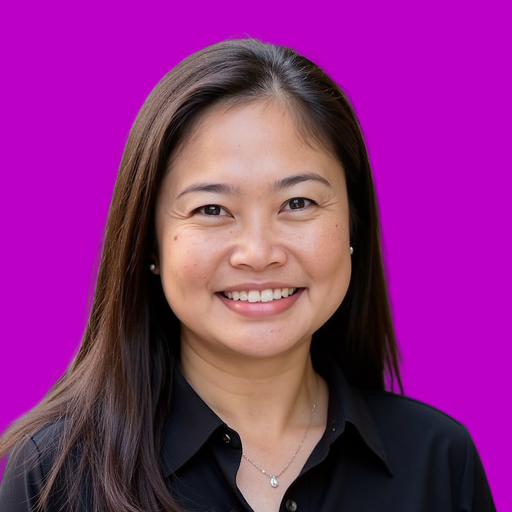
Haraya “Ia” Del Rosario Gust is an Executive Trainer who partners with entrepreneurial leadership teams across Southeast Asia. She is passionate about helping entrepreneurs build peaceful, meaningful, and joyful lives—surrounded by teams they trust.
As a first-generation entrepreneur, Ia understands the pride and pressure of building something from the ground up—and the personal sacrifices it often requires. This firsthand experience drives her to lead training sessions that balance warmth with rigor, creating safe spaces for honest conversations and transformative alignment.
Her training philosophy is rooted in clarity, structure, and compassion. Ia facilitates powerful sessions that connect on both a strategic and human level, helping leaders navigate complexity with confidence.
Ia holds certifications as an Expert EOS Implementer, EO Forum Trainer, EO Accelerator Trainer, Certified Kolbe Consultant, and Certified ProfitFirst Professional. Her clients describe her as a calm force—one who makes difficult situations feel manageable and leadership feel shared.


