Debra Chantry-Taylor: The Science of Scaling - How to Grow Bigger and Better Without Losing Your Mind
In this episode of Better Business, Better Life, Debra Chantry-Taylor unpacks what scaling really means and why most leadership teams get it wrong.


In this episode of Better Business, Better Life, Debra Chantry-Taylor unpacks what science of scaling really means and why most leadership teams get it wrong.
Scaling is not about adding more projects, more people, or more hustle. It is about raising minimum standards, eliminating tolerated nonsense, and using time as a strategic tool. Drawing on Dr Benjamin Hardy’s book The Science of Scaling, Debra explains why reasonable goals protect the status quo while impossible goals force clarity, discipline, and structural change.
She challenges leaders to stop confusing effort with progress and to start designing businesses that no longer tolerate “zombie work” such as unnecessary meetings, reports, and projects that quietly drain energy and capacity. Through practical examples and sharp insights, Debra outlines how impossible goals with clear timelines create focus, expose inefficiencies, and demand better leadership.
If you want to scale without burning out your team or sacrificing quality, this episode will shift how you think about growth, standards, and execution.
CONNECT WITH DEBRA:
___________________________________________
►Debra Chantry-Taylor is a Certified EOS Implementer | Entrepreneurial Leadership & Business Coach | Business Owner
►Connect with Debra: debra@businessaction.com.au
►See how she can help you: https://businessaction.co.nz/
►Claim Your Free E-Book: https://www.businessaction.co.nz/free-e-book/
Episode 261 Chapters:
00:00 – Introduction
00:42 – Scaling Businesses: The Science of Scaling
01:21 – Challenges in Scaling Businesses
03:15 – The Role of Impossible Goals in Scaling
04:13 – Practical Examples of Scaling
06:00 – The Frame-Floor-Focus Execution Ladder
08:36 – Eliminating Zombie Work
10:05 – The Real Science of Scaling
11:36 – Ad Lib Questions and Answers
20:43 – Conclusion and Contact Information
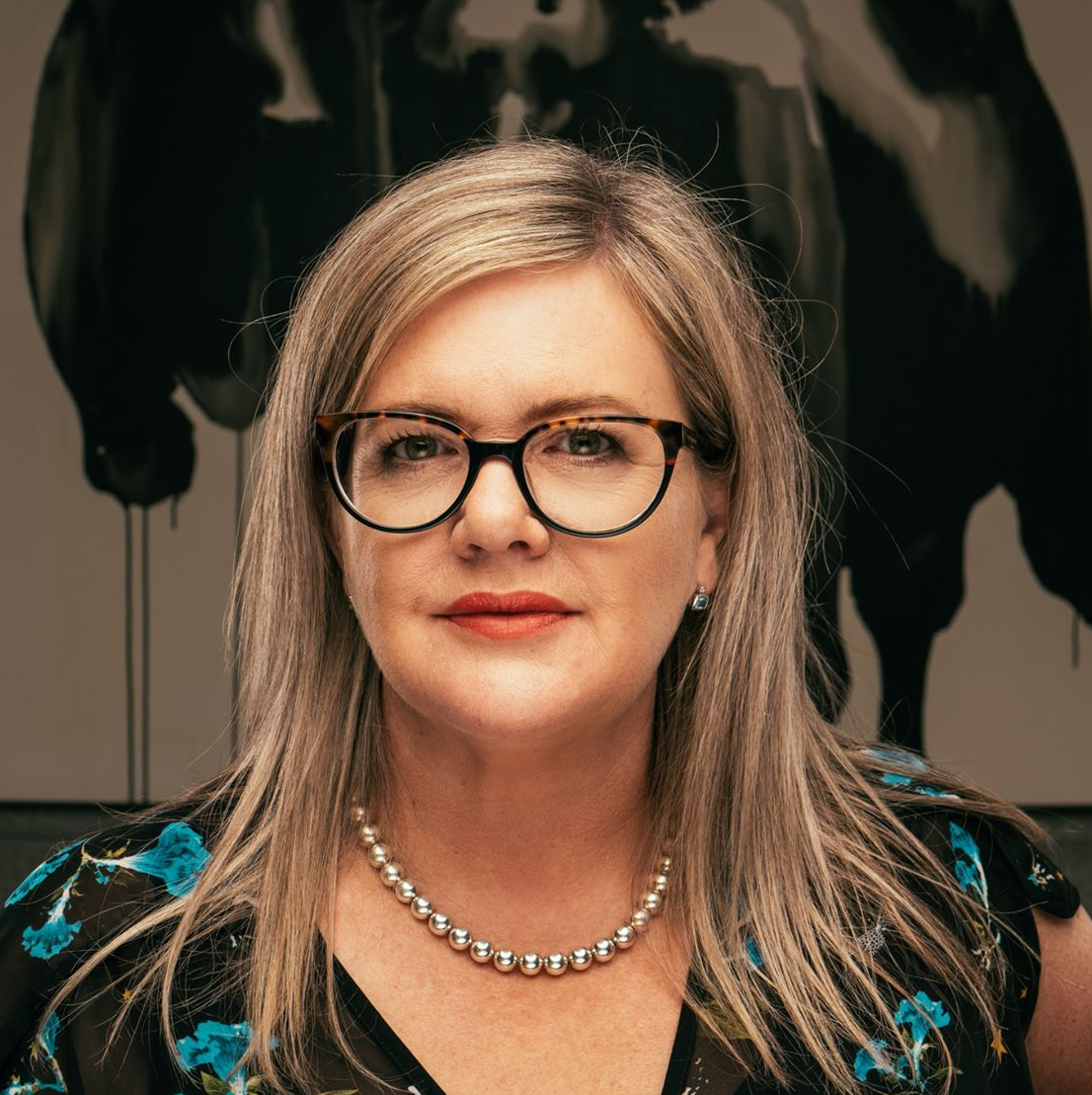
She is based in New Zealand but works with companies around the world.
Her passion is helping Entrepreneurs live their ideal lives & she works with entrepreneurial business owners & their leadership teams to implement EOS (The Entrepreneurial Operating System), helping them strengthen their businesses so that they can live the EOS Life:
- Doing what you love
- With people you love
- Making a huge difference in the world
- Bing compensated appropriately
- With time for other passions
She works with businesses that have 20-250 staff that are privately owned, are looking for growth & may feel that they have hit the ceiling.
Her speciality is uncovering issues & dealing with the elephants in the room in family businesses & professional services (Lawyers, Advertising Agencies, Wealth Managers, Architects, Accountants, Consultants, engineers, Logistics, IT, MSPs etc) - any business that has multiple shareholders & interests & therefore a potentially higher level of complexity.
Let’s work together to solve root problems, lead more effectively & gain Traction® in your business through a simple, proven operating system.
Find out more here - https://www.eosworldwide.com/debra-chantry-taylor
SUMMARY KEYWORDS
Scaling, minimum standard, impossible goals, focus, leadership, discipline, optimization, elimination, time as a tool, family business, accountability, clarity, execution ladder, zombie work, strategic tool.
SPEAKERS
Debra Chantry-Taylor
Debra Chantry-Taylor 00:00
Scaling doesn't happen by chasing excellence. It happens by raising the minimum standard. What you tolerate becomes your flaw, and your flaw determines your scale. An impossible goal with a timeline is what creates focus, not urgency, not panic. Focus. Time stops debate. Time will kill indulgence. Time exposes your nonsense. You absolutely can get bigger and better at the same time, but only if the goal forces clarity. Time is used as a filter. Standards are non negotiable, and leadership stops tolerating nonsense you
Debra Chantry-Taylor 00:42
Debra, hello and welcome to another episode of Better Business, Better Life. I'm your host, Debra Chantry-Taylor, and I'm passionate about helping entrepreneurs and their leadership teams build a better business so they can create a better life. I talk on the podcast about Eos, the entrepreneur operating system, and the tools that you can use to build a more scalable, more saleable, more fun environment with your team. And today, I want to talk about the science of scaling because I have been obsessed with Dr Benjamin Hardy's book, The Science of scaling, firstly, because it's a nice, easy read. It only takes about two or three hours if you listen to it on double speed, on Audible. But secondly, it's because it actually starts to bring together a lot of the stuff that I've known but couldn't put into words. So today, I want to talk about why scaling is harder than it needs to be, and share with you some tips and some tools that will actually help you to see how scaling can be easy. So all right, let's start with something slightly uncomfortable. Most businesses don't struggle to scale because they lack ambition. They struggle because they're scaling the wrong things, more activity, more projects, more meetings, more pressure. And then leaders wonder why everything feels heavier instead of better. And I keep banging on about the science of scaling, because it finally explains something I see all the time, but have rarely heard said clearly, businesses don't fail from lack of effort. They fail because they operate on the wrong assumptions. They set goals that preserve comfort. They treat time like an enemy instead of a tool, and they try to grow linearly while hoping for exponential results, and that combination is lethal, because scaling isn't about doing more, it's about becoming the kind of business that doesn't tolerate nonsense anymore, and that requires discipline, not heroics. The biggest scaling lie we've all believed, here's the lie, if we just work harder will scale? Nope, no, you won't. You'll just get tired, overwhelmed and exhausted, and Dr Hardy is crystal clear on this, effort does not equal progress. Optimization does not equal scale, and busyness is not a strategy. Yet, most leadership teams respond to growth pressure by adding initiatives, adding people, adding complexity, and almost never by subtracting. And let's be honest, that's backwards, because scaling is not an addition problem. It's a subtraction problem disguised as ambition. Let's talk about impossible goals and why reasonable is the enemy of scale, and this is where Hardy loses some people, and where I think he's absolutely right. Impossible goals are not about fantasy. They're about forcing clarity. A reasonable goal lets everything survive, and an impossible goal forces decisions, and this is what I see in real businesses. Leadership Teams will set those stretch goals, and everybody nods, but nothing fundamentally changes. And I always say, if nothing changes, nothing changes. And why? Why do they do that? Because the goal did not demand change. Whereas impossible goals do they force leaders to ask, what actually matters, what must we stop? Who do we need to become, and what can no longer exist? And that's why they work. And I know that in my session room, sometimes when I try and push people and say, you know, you cannot spreadsheet a 10 year target, you can't spreadsheet a three year picture. It really is about a direction. It's about a sense of knowing where you want to go, and it's designed to get you thinking differently, particularly that big, hairy, audacious goal. And this is where time is the hidden weapon here. So Hardy doesn't talk about goals in isolation. He ties them to time. An impossible goal with a timeline is what creates focus, not urgency, not panic. Focus. Time stops debate. Time will kill indulgence. Time exposes your nonsense. And so when leaders say we don't have time for that, what they usually mean is we haven't decided what matters. And so time is not the enemy, it's the filter, and this is where most leaders completely miss the. Point, they treat time like a constraint to manage, whereas Hardy treats time like a strategic tool. There's a huge difference. Time forces, trade offs, trade offs create focus, and focus is what creates scale. So here's a real life example for you. I worked with a business that had a massive wish list, good ideas, smart people, huge ambition, but everything was optional. Nothing had a deadline that meant anything. Once, time became non negotiable, then clarity appeared. Almost overnight, projects died, meetings disappeared, decision making sped up. And it wasn't because people worked harder, it's because they finally stopped lying to themselves about capacity. It isn't time that creates pressure. It's lack of clarity that does. And they're not the only business I've seen do this with lots of businesses where they're rocks their priorities. You know, quite frankly, they're just business as usual, and it's just doing more of the same, but trying to fine tune the stuff that isn't working, rather than actually looking at the business from completely different lens. And that's and that's what I loved about Benjamin's book, was it's like, actually, if you set a really impossible goal, you actually have to think differently about everything. You have to look at every single thing that you're doing and say, Is this really making the boat move faster towards our end goal? The next tool that he talks about in his book is the frame floor focus, or the execution ladder. And that is, this is the core execution framework from the book, and it's criminally underused, because frame is about agreeing the game. What is the game we're actually playing? Not the strategy deck version, but the real one. What kind of business are we becoming? What do we say no to? And what does winning actually mean here? Because when this isn't clear, this is where leadership teams argue sideways, family and ownership expectations leak into operations, and emotion replaces logic, and that's the Harvard three circle family business model causing chaos when the game isn't agreed. So when we frame and agree the game, we're being very, very clear about what each of those three circles actually wants, family business ownership. And in the business part of we've got real clarity about what the business is needs to become. Once you've got the frame, we move on to floor. And the part of flaw in the book is called raise the standards. And this is the most important part, and probably the most ignored, because scaling doesn't happen by chasing excellence. It happens by raising the minimum standard. And Hardy is ruthless on this, what you tolerate becomes your flaw, and your flaw determines your scale. Late work, missed commitments, sloppy meetings, vague accountability. Leaders often say we don't want to be too rigid, but what they really mean is we're avoiding discomfort because raising the floor removes chaos, and chaos is actually what exhaust leaders. Focus is all about. Simplify relentlessly. Once the frame is clear and you know where you're headed and the floor is raised, focus just becomes easier. And it's not because leaders are smarter, but it's because the system does the work. There are clear priorities, clear decision filters, clear trade offs, and this is where EOS thinking fits perfectly. Few priorities, less, but more, less, but obsess. Clear ownership, real accountability. EOS ensures that everybody knows exactly what we're focused on, who has ownership for it and who is going to be accountable for delivering on it. And focus is not self discipline. It's design. The next thing that I want to talk about is, you know, how do you eliminate to scale? And one of the things that Hardy talks about is killing zombie work. So let's talk about zombie work. You know what it is? It's the project no one believes in. It's the reports no one reads. It's the meetings no one would miss, and yet they live on. And why? Because leaders are emotionally attached to them, or they're afraid of the fallout. So Hardy is brutal here. And again, I agree with him. You cannot optimise what shouldn't exist. Elimination is a leadership act, not an efficiency exercise. Every piece of rubbish that you keep steals time, energy and attention from what actually matters. And so people often say that bigger and better can't go hand in hand, but I'm going to share with you how bigger and better actually works in real life. So here's the punchline, you absolutely can get bigger and better at the same time, but only if the goal forces clarity. Time is used as a filter. Standards are non negotiable, and leadership stops tolerating nonsense. Fast growing businesses need this to avoid chaos. Established businesses need it to avoid stagnation and family influence. Businesses need it to stop emotion hijacking, decisions, same principles, different friction. So again, if we talk about scaling, you've got to think of scaling as an identity shift, not a strategy shift. And Hardy is very clear on this. Scaling. Requires becoming someone different, as a leader, as a team and as a business, because what got you here will not get you there. And that's not failure. That's evolution. Most leaders want the next stage, but without letting go of the previous one, and that just doesn't work. So the real science of scaling, let's be honest here. Scaling isn't magic, and it's not about hustle, it's clarity, it's standards, it's time used properly, it's elimination and it's discipline.
Debra Chantry-Taylor 10:28
When you get these right, you create a better business, and when you create a better business, you end up having a better life, not because you did more, but because you finally stopped tolerating what didn't belong. I'd highly recommend you read the book. Honestly, I've listened to it on Audible twice now I'm starting. I'm reading the printed copy at the moment and making notes along the way. None of this is rocket science, but what I really loved about it was it started to actually help me understand when I try and push teams to be really having possible goals for the business, they often push back, and I just couldn't understand why, because for me, it made sense that we should be really clear about where we're headed. But now I understand it's because of the discomfort, because you actually have to change who you are being. It's who not how. Who are we being? What are we tolerating? How do we make sure that we get there? So if you're serious about scaling, highly recommend you read the book. Highly recommend that you take a good hard look at your business and be really clear. Are we clear about where we're headed? Are we all on the same page? Are we changing our thinking to ensure that we actually get there, and do we have the right tools, things like our accountability chart that really forces true accountability? Are we measuring the right things? Are we holding the right meetings? Are we really challenging ourselves about how we can actually scale? Because I do believe you can get bigger and better and it doesn't create more work and more overwhelm. So I've given you my synopsis of the book for science of scaling, some of the key kind of principles that came out of that, hopefully with some practical, pragmatic examples as well. But I also decided to ask my chat GPT to give me 10 ad lib questions I could answer, because sometimes it's when I get asked these questions that things just spill out of my mouth and where they come from. I just thought they might be helpful. So I've got 10 questions here. I haven't read them. I'm just going to read them out loud and I'm going to answer them. Let's see where we get to. Number one, why do reasonable goals keep businesses small? Okay, this, this is an easy one for me. It's something that I've always done naturally throughout my life. I've always set impossible goals because I've always just known what I wanted to get to and I've got there. I think when you set reasonable goals, what it really makes the team, the leadership team, do is polish the stuff that we're doing now and try and create better ways of doing what we're doing now. What? In actual fact, if you really want to scale and grow, you're going to have to do things differently. It doesn't mean you're going to lose your essence. Doesn't mean you're going to lose who you are and how you behave. And I think that some people think that, yeah, you cannot scale and still retain quality, but I completely disagree. But it's about how you're going to do that, and who, more importantly, you need to become in order to do that. So I think reasonable goals. I'm going to use some language here that Mia does. It's like polishing the turd. It encourages you to keep thinking about the stuff you've got right now and just making it a little bit more effective, a little bit more appealing, but it's not actually fundamentally changing the way that you do things. So having an impossible goal just really gets you to start thinking about the who you need to be, what needs to change. It really changes thinking altogether. Number two, how do impossible goals force clarity instead of panic? Yeah, this is a good question, because I think often this is what I've seen in my especially in my annual planning sessions with with youngish. When I say young, I don't mean young in terms of age, but teams that are a new leadership team who may be stepping up for an operational capacity into a leadership team capacity. And when you try and give them a big goal, they do panic. It's like but we don't know how we're going to get there. And I have to say to them, it doesn't matter. You don't need to know how it really is about. It's the if you don't know where you're going, any red will get you there. And so having real clarity about where you want to get to, then forces you to think about how you're going to get there, and who you who you're going to become to get there. And so that impossible goal also forces clarity around actually, if we keep doing what we've always been doing, we're not going to get different results. So it makes us think about, how do we actually change our thinking to get towards that much bigger goal? Number three, what does using time as a strategic tool actually look like? What does it actually look like? It's about thinking about where you ultimately want to go, and what your number one kind of goal is, and then thinking about, you know, how long you think it will take to get there, and then just shortening that time and saying, So, what would it take for us to get there sooner? Because when you start, anything is possible. I truly believe this, and it's like, if you're really, really clear. About where you want to get to, and you think it's going to take 10 years to get there, start asking yourself, what would it take to get there in three years? Who would I have to become to get there in three years, rather than 10? And I think when you start doing that, that is really important. It changes your thinking, but also it holds people accountable. I think sometimes the big hairy, audacious goal that we talk about often in planning is so big hairy and audacious, and it's got a date, but it feels so far away. I love using time as a tool in the three year picture, because a three year picture is something that is close enough for us to actually see happening. And if you start to put some real, really kind of impossible goals on there, but with set time frames, you can really use that to motivate and inspire and change the way the business thinks and who the business actually is. Number four, where do leaders most often lie to themselves about capacity? It's usually when they're doing all the busyness stuff and doing all the meetings. I think meeting is one of the biggest things. You know, I think that we just keep trying to do more and more of the same, which means, yes, we are we are busy, we're overworked, we're overwhelmed, but we're not focused on the right things. And so we have to use that. What zombie work are you doing that doesn't add any value? What's really not shifting us towards that long term focus? If you actually got rid of that stuff and got rid of the excessive meetings about having one on ones and quick catch ups and work in progress and operational stuff, if you could get rid of that, then guess what? You'll have the capacity to actually focus on the bigger picture stuff. And everybody always says, But you know, we haven't got enough people. Everybody is doing zombie work. Everybody is in meetings they shouldn't necessarily be in. Everybody has to be a good, take a good, honest look at themselves and go, How do I do the most meaningful and most important stuff and free myself up to do that? Number five, what does the raising the floor mean in real leadership behaviour? I think this is about being setting new standards, raising the floor, is that we will not tolerate this anymore. And how do we actually do that? And it means we have to start holding each other accountable. That is not the way we do things around here anymore. That does not meet our future goal. We can't keep doing this and accepting this level anymore. So it really is leadership. Have leadership teams have to start becoming accountable. They have to call out the behaviour, and they have to stop tolerating the shit that doesn't get them to where they need to go. To number six, why do businesses tolerate things that actively block scale? I'm not sure that they deliberately do this, but why do they tolerate it? Because sometimes it requires a different way of thinking, a different way of being. And nobody really likes change. Actually, I think I do, but most people don't like change. So you know, why do business tolerate it just because it's it's easy, it's what they've always done. It's hard to have the conversation, to challenge it, to actually challenge people around what they're doing and what that means. So I think that's probably why. Number seven, how does elimination unlock growth faster than optimization? Oh my god, it's just, it's just stopping doing the stuff that doesn't get us to where we need to get to. And I'm so passionate about this, sometimes a bit too passionate in my sessions with clients, but it's like, we just keep optimising the same thing, we're just going to keep getting the same results. So if we eliminate some things, eliminate a market that we're in that doesn't add value, eliminate a process that has just always been there, but we don't see what difference it really makes. Eliminate the meetings that we have that so many of them that add no real value to the business, all of that stuff is going to allow you to unlock the growth, faster scale, faster optimization is just polished and returned. Number eight, where do family or ownership dynamics interfere with scaling decisions? Yeah. I mean, I do see this, the ownership dynamics and the family dynamics. How do they interfere with scaling decisions? I think we it starts to become personal rather than the greater good of the business. So when you're talking about owners, they're thinking about their own stakeholder in the business. They're thinking about, you know what? They've really got multiple shareholders. It's really important. You're all on the same page in terms what you want to achieve. And I think sometimes when you've got ownership dynamics. That's not necessarily true. So get some clarity there. First of all, about what what you want to achieve as the owners, and then just let your team get on with it. Stop trying to interfere with the way that they're doing it. In terms of family, I think it comes down to, we see this a lot, right in family businesses, people think they deserve to be something in the business because of what they are in the family, but in reality, we have to have structure, first people second. What is the right structure to take this business to the next level of scale, and only then do we put people in. And sometimes it may not be a family member. Sometimes a family member may not be on the leadership team, and that's tough. But let's. Be honest, it will store growth if we don't have the right people in the right seats.
Debra Chantry-Taylor 20:04
Number nine, what's the biggest mistake that leaders make when trying to scale fast? I think just adding more stuff, adding more people, adding more processes, adding more meetings. They think that doing more will actually scale, whereas we now know from this book, and what we've talked about today, doing less is what will help you scale fast. So I think that's the biggest mistake we make, is just keep adding, adding, adding, and particularly, throwing people at a business is not going to make it scale. In fact, taking people away can often make you scale even faster. And that's the most important thing you can do, is think about, how do we do things differently? And Number 10, if you had to name one behaviour that unlocks both bigger and better, what would it be? I think it's actually just changing the belief that you can't have both. You absolutely can have both. There are, there are multiple examples of companies that have got bigger and better. There are also many who've got bigger and shitter. So let's not kid ourselves. But the reality is, there are definitely businesses have become both bigger and better. So let's stop kidding ourselves that you can't do both. You absolutely can do both. Just be clear about what it is that you want. If you want to scale and you want to get better and you want to continue to offer the top quality service, you can do it. Just be clear about it. So that's it. They are my 10 questions that d2 had me answer off the cuff. Please don't go with my they're just my views. I'm not necessarily telling you how you should do things. They're my views based on what I've seen through working with businesses in the last 35 years. Hopefully they've been helpful. So if you've enjoyed this podcast and you feel like you might want some help with this, I am really happy to help. You can email me, Debra at business action.com.au, or Debra at business action.co.nz, as I always say, I'm here to help. I want you to have a better business and a better life. Thank you for listening. You.

EOS Implementer | Entrepreneurial Leadership Coach | Workshop Facilitator | Keynote Speaker | Author | Business Coach
Debra Chantry-Taylor is a Professional EOS Implementer & licence holder for EOS Worldwide.
As a speaker Debra brings a room to life with her unique energy and experience from a management & leadership career spanning over 25 years. As a podcast guest she brings an infectious energy and desire to share her knowledge and experience.
Someone that has both lived the high life, finding huge success with large privately owned companies, and the low life – having lost it all, not once but twice, in what she describes as some spectacular business train wrecks. And having had to put one of her businesses into receivership, she knows what it is like to constantly be awake at 2am, worrying about finances & staff.
Debra now uses these experiences, along with her formal qualifications in leadership, business administration & EOS, to help Entrepreneurial Business Owners lead their best lives. She’s been there and done that and now it’s time to help people do what they love, with people they love, while making a huge difference, being compensated appropriately & with time to pursue other passions.
Debra can truly transform an organisation, and that’s what gets leaders excited about when they’re in the same room as her. Her engaging keynotes and workshops help entrepreneurial business owners, and their leadership teams focus on solving the issues that keep them down, hold them back and tick them off.
As an EOS implementer, Debra is committed to helping leaders to get what they want and live a better life through creating a bet…Read More


